Transportation

The taxi car – a Mitsubishi Lancet

In Matadi, the taxi companies enable people to get transportation in and around town. They constitute almost the only available form of transportation here. There are also motorcycle taxis, or those who drive their own car, but that’s it. Since Yapecos car is broken, we have gone by taxi quite a lot, and we have seen how the system works. The city is divided into zones. When people travel within the zone, the price is 400 FC per person, which is slightly less than half a U.S. dollar. When a zone boundary is passed the price doubles. The taxi driver always try to have full car, picking people up and dropping them off according to his customers’ needs.

At least 90% of the taxi fleet is Mitsubishi Lancers. You can easily understand that it’s a tough business to be a taxi driver. The exteriors of the cars are quite battered. Sometimes a car looks so bad that it must be considered a miracle that it moves at all. But the drivers make the cars work anyhow and thanks to these brave men, the people can move around in the city. They are amazing at keeping the car running while fending off their fellow road users in the streets. Sometimes traffic is so crowded that you couldn’t fit anything but a sheet of paper between the cars. And inevitably, cars bump into eachother at times, giving them a wrinkly look.

Disagreements in the traffic, however, are more common than crashes. In the normal disagreement, the antagonists use their vocal abilities to the fullest and they enhance their opinion with the help of body language. Yesterday we had to leave our taxi in advance because a clueless driver had clogged the street and did not want to move. Luckily, we were quite close to our destination, but we got to witness the agitated exchange of words before we were on our way by foot. The solution to the traffic situation came with the arrival of a police officer who made sure that the driver who was blocking the street moved his vehicle.

Taxi drivers are also fantastic at steering their cars in respect to avoiding large holes in the road surface. The smoothest part of the road is always the first choice, which means that it is the road surface rather than the traffic regulations that determines which side to drive on. The city is built on a number of high hills and many streets are therefore very steep. Because of this, the taxis are absolutely essential.

Today we have stayed at home in Yapeco and Augustine’s house. We have gone through part two of the FBS material and made business plans, forecasts and some other planning.
Posted in MSG

Dinner with the family Ngimbi

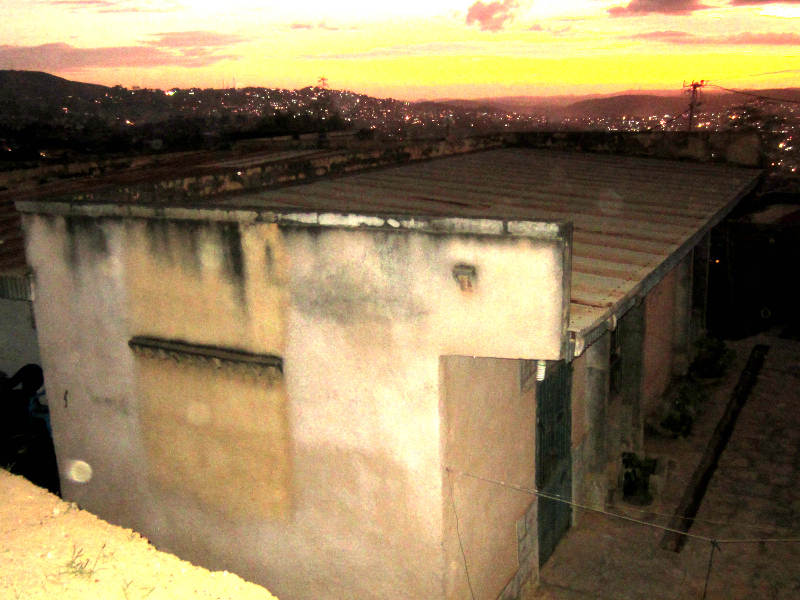
View over the Congo river and the bridge in Matadi

In the morning we met Samuel Nkailu, Mama Matila and Muditu. Pastor Madiadia, former pastor of Mukimbungu, was also invited by Samuel. As far as I understand the Board members of the Youth House would like Madiadia to be on the Board too. Samuel considers pastor Madiadia and the Mukimbungu congregation to be important contributors to the creation of the Youth House. In MSG, we have an old promise to the Youth House to fulfill. We have promised to pay for a ceiling. The Board have made a cost estimate on the ceiling of the great hall in the Youth House. We will bring the calculation back to Sweden and present it to the MSG Board. When we parted, we got a bunch of bananas, a much appreciated gift.

When we got back to Yapeco’s office we downloaded the last part of the FBS textbook. And then we structured the training material for the second part of the FBS course.

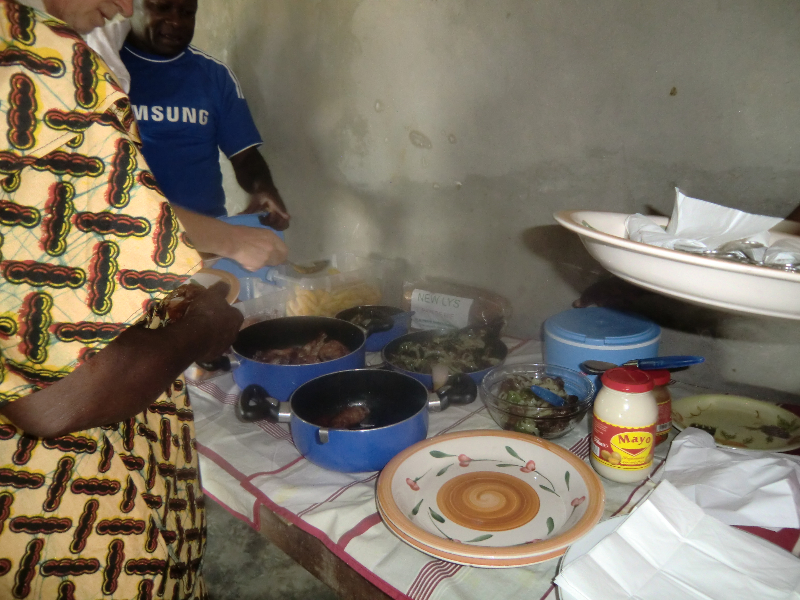
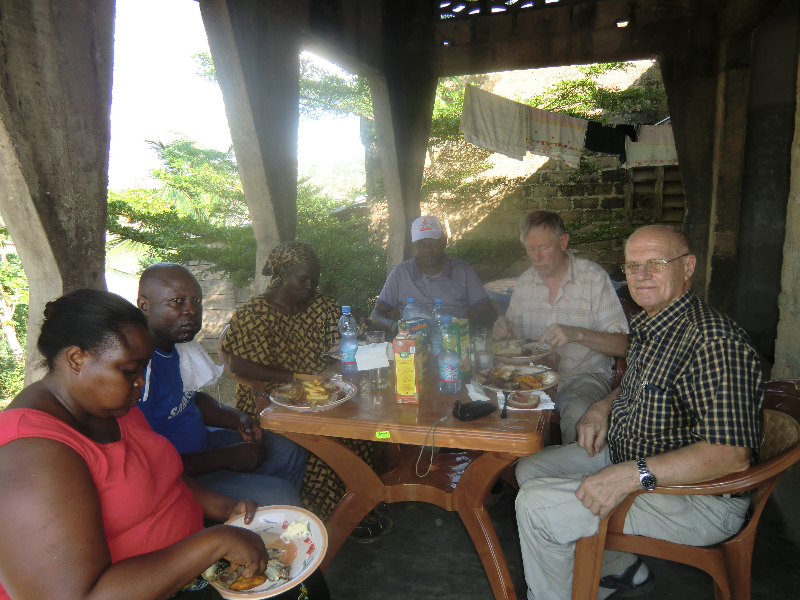
At 3 p.m., we were invited to dinner by the family Ngimbi,. Ngimbi Di Ngimbi has participated in the FBS course and he is pastor of a church called Christ’s Aid Workers. It is originally an American denomination and it has quite a lot of members in Congo. We took a taxi to get there. The last part of the way we walked – a sweaty business in the hot weather. It was a relief to sit down on their patio and to be served chilled fruit juice. After we had quenched our thirst the dinner was served. As is customary in Congo, the table was generously laden with different dishes. There was chicken, fish, both fried meat and salted dried meat and sausages.

To this variety of meat dishes manioc, fried bananas, french fries and bread were served. And there was a mayonnaise seasoned with pili pili for those who likes strong spices. I refrained from putting this on my plate, and I doubt that I will ever get used to it. The Congolese tend to eat a lot when food is served, and they tell us that we mundele eat far too little. Personally, I have a tough time to work up an appetite in this sweltering heat. I am more interested in water, juice and soft drinks.

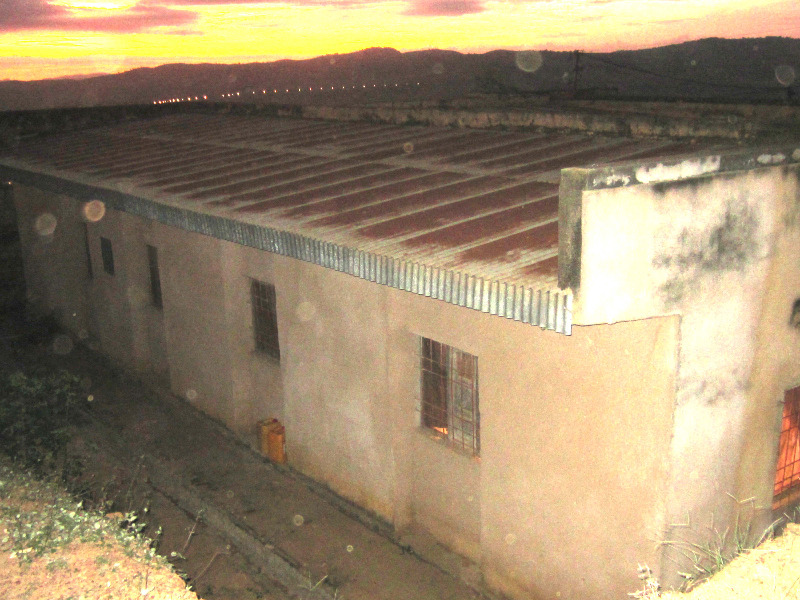
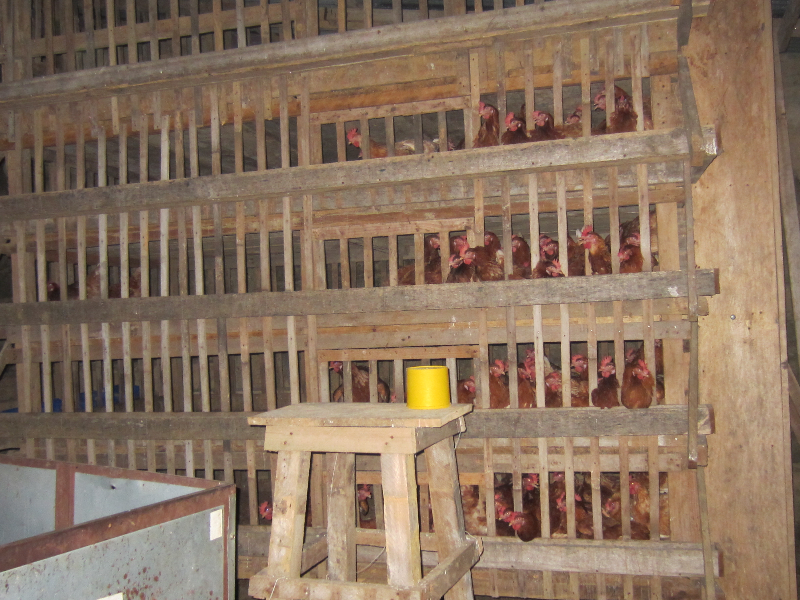
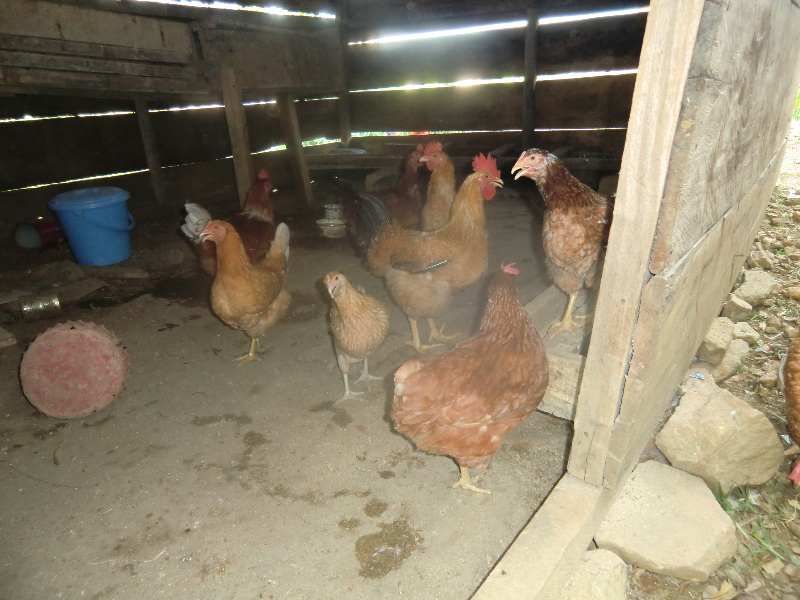
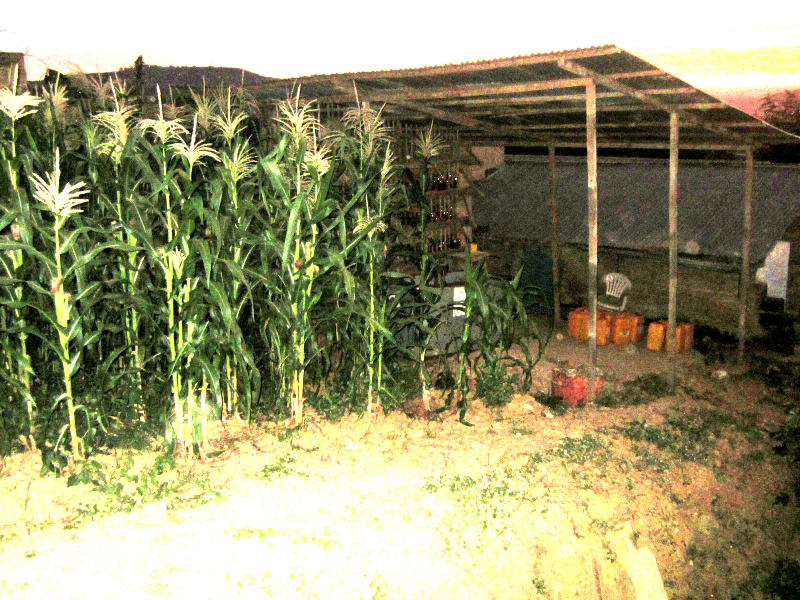
The Ngimbis are a great family. There are children, grandchildren and six or seven relatives who also live with the family. Before we left, we inspected the henhouse. The family intend to extend the business with chicken breeding and egg production. We had a very enjoyable afternoon at the Ngimbis’s. Dad/pastor Ngimbi was very generous and gave us eggs and paid our taxi trips, including a handsome tip.for the driver.

Posted in MSG

The finishing day

Théophile is training the participants in win – win. Making business with both parts winning

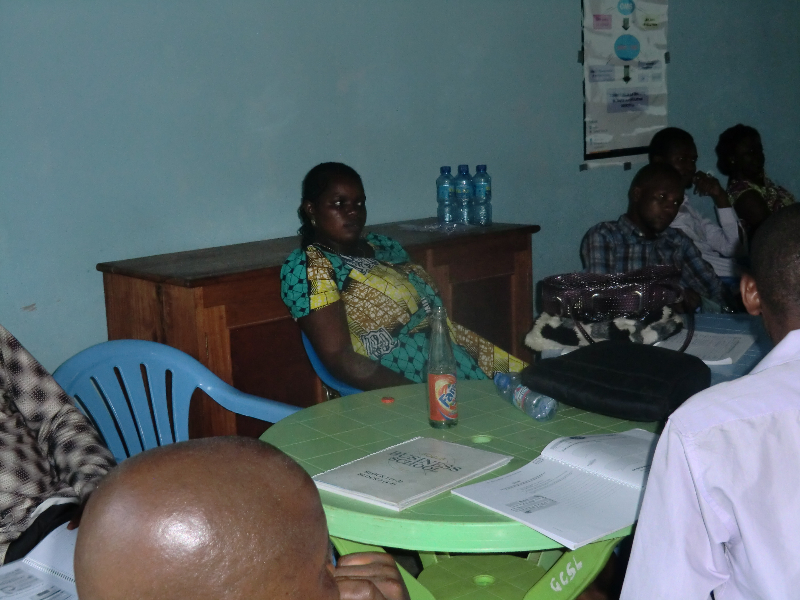
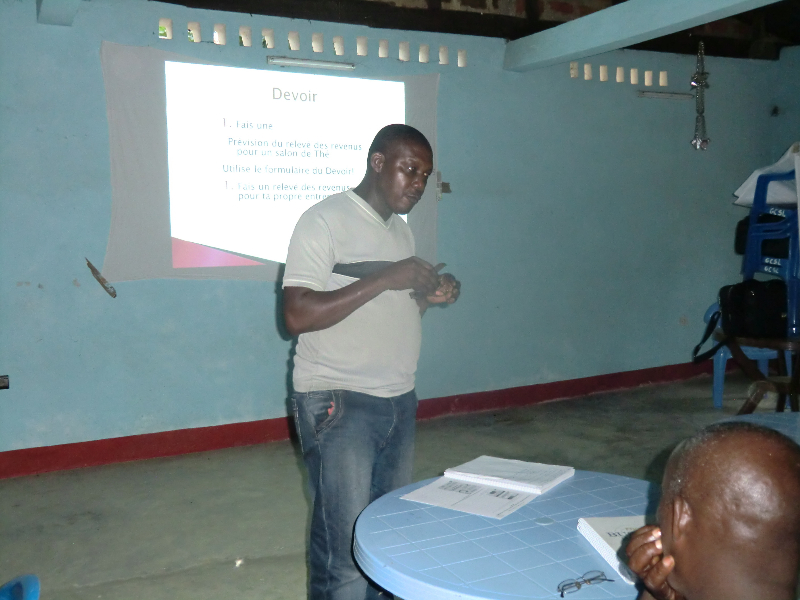
I spent the morning printing the part two of the FBS material, in total 269 pages. Luckily, Yapeco has a very good printer that prints both sides, which is combined with a copier. This copy will the the original which Yapeco will use for printing the copies to the course participants. We have finally got hold of a print shop that can print the material to the same price as we got in Sweden. It is nice that the material can be produced here in Congo. Part two of the FBS course will start on May 5 and will hold on for eight or nine days.

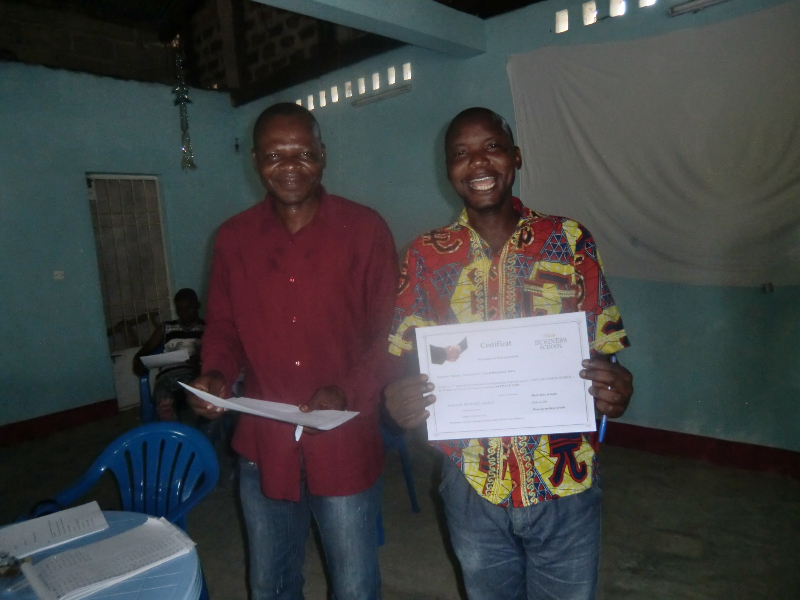
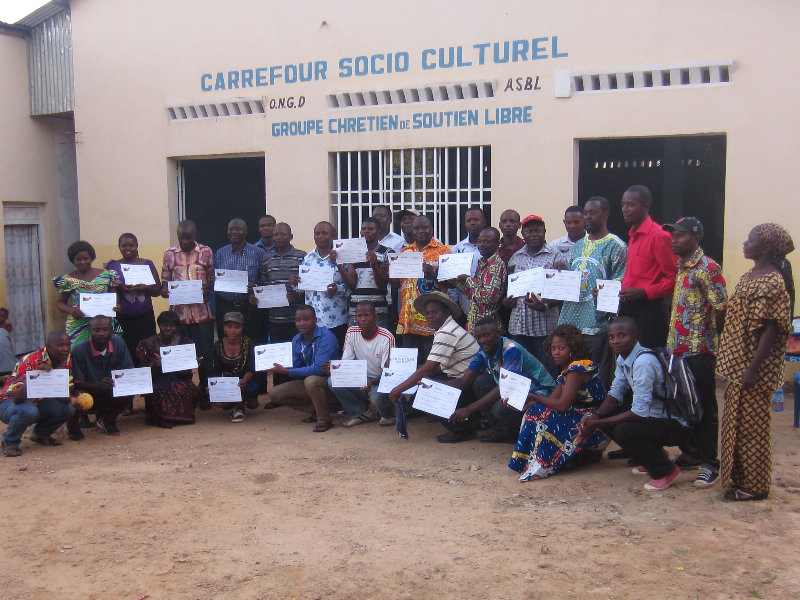
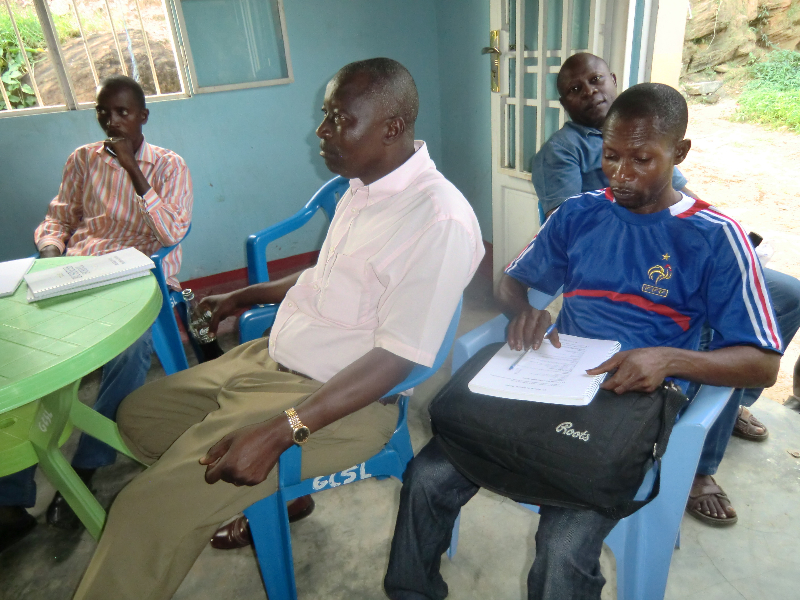
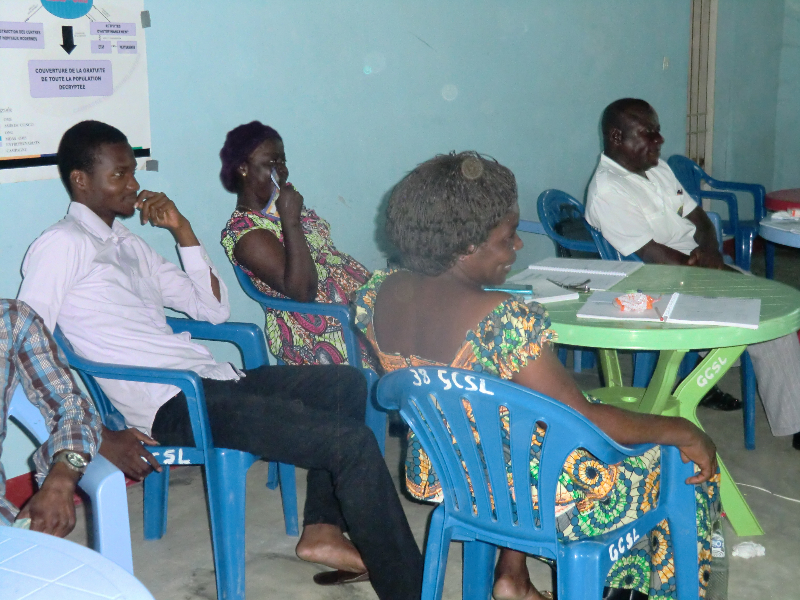
Julienne and Bernt did complete the certificates in the morning, adding the names of the participants. We had 42 certificates to hand out later on during the day. Fourteen of the participants had been present all nine days and they got a little star on their certificat, for diligence. The participants paid 1,000 FC = slightly more than 1 U.S. dollars, for the certificate. No one questioned the fee. Moreover, many of they wanted to buy a compendium about entrepreneurship that we have used in previous courses. We asked for 500 FC per copy. This time, there has been a great curiosity about this type of material. We haven’t experienced that before. Another remarkable thing is that we haven’t heard one single comment on that it would be too expensive to participate. On average, there has been 33 participants per day.

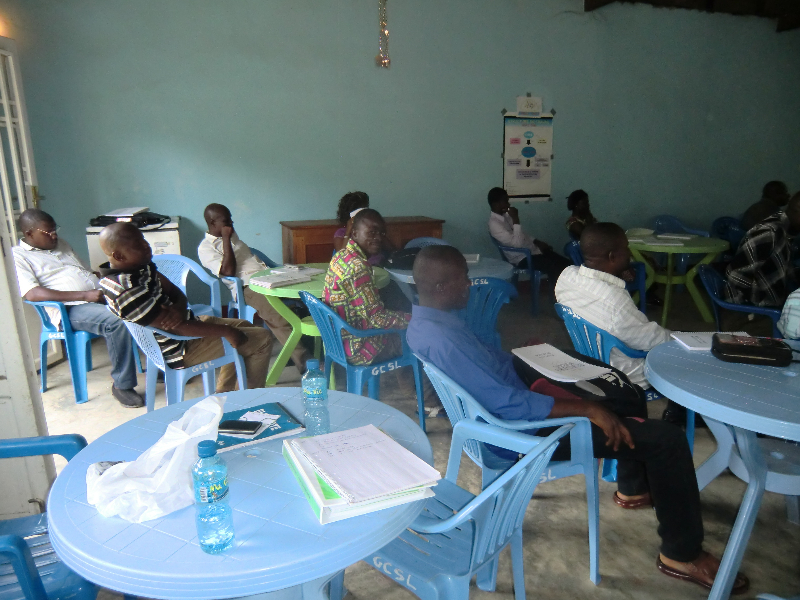
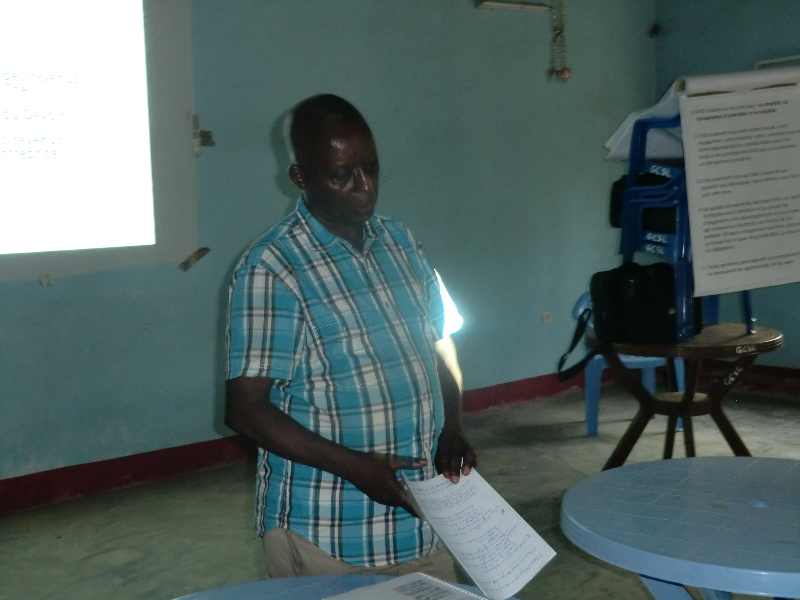
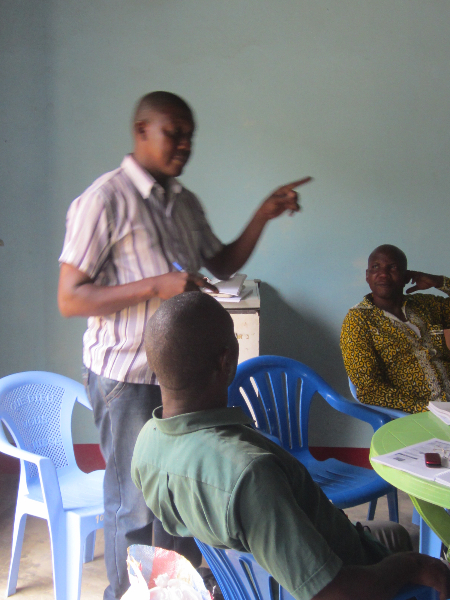
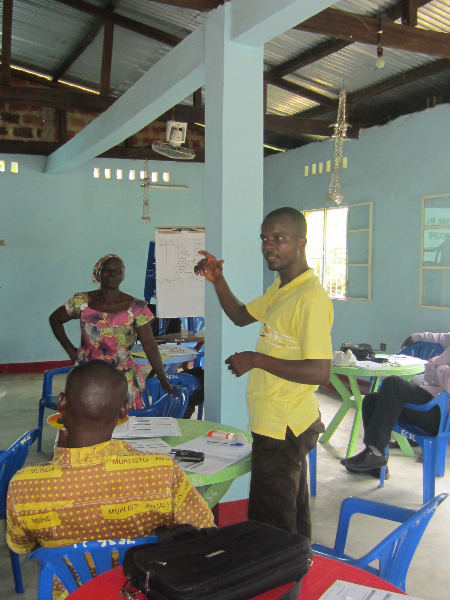
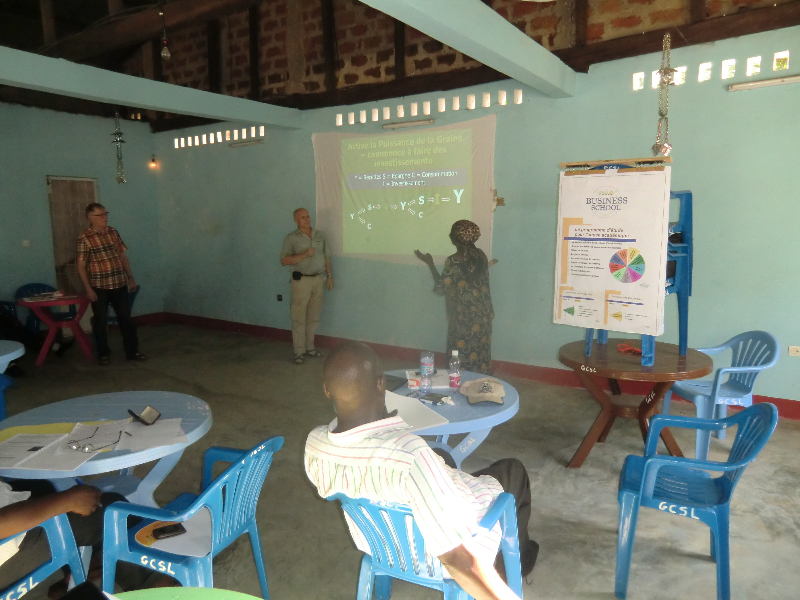
For the last time we gathered at three o’clock to finish the course. We had only one lesson left to go through and it was all about selling. The power was gone at first, but came back just in time for Julienne to begin with the Power Point presentation. Théophile, a teacher and accomplished educator at the Baobab school led an exercise in how the win – win approach works. A number of participants had brought with them different commodities such as fruit, flipflops, toys etc. They had put the item in an opaque plastic bag and then they switched bags without knowing what was in the new bag. They were then supposed to evaluate the item in the bag, and they had to report if they felt win – win or win – lose. I wasn’t convinced that the exercise completely clarified the win – win theory, but the participants enjoyed themselves royally. And parts of my doubts can definately be referred to linguistic confusion.

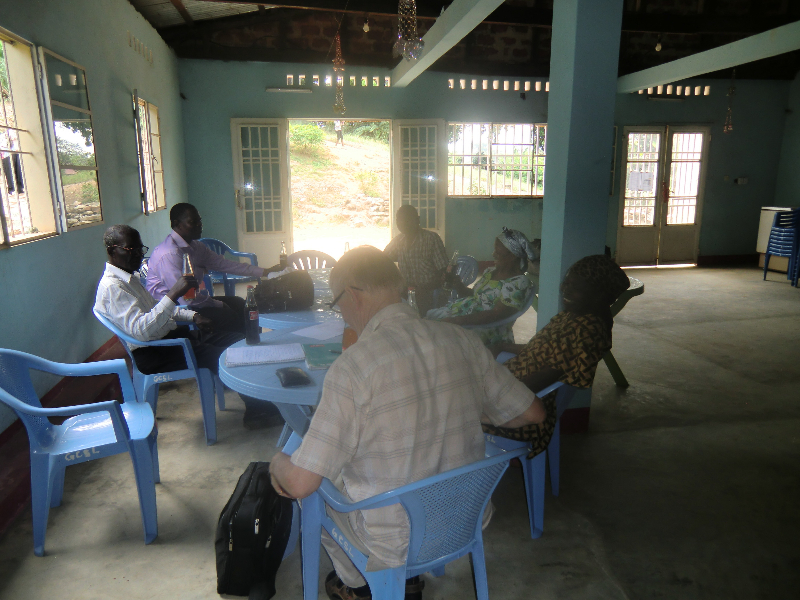
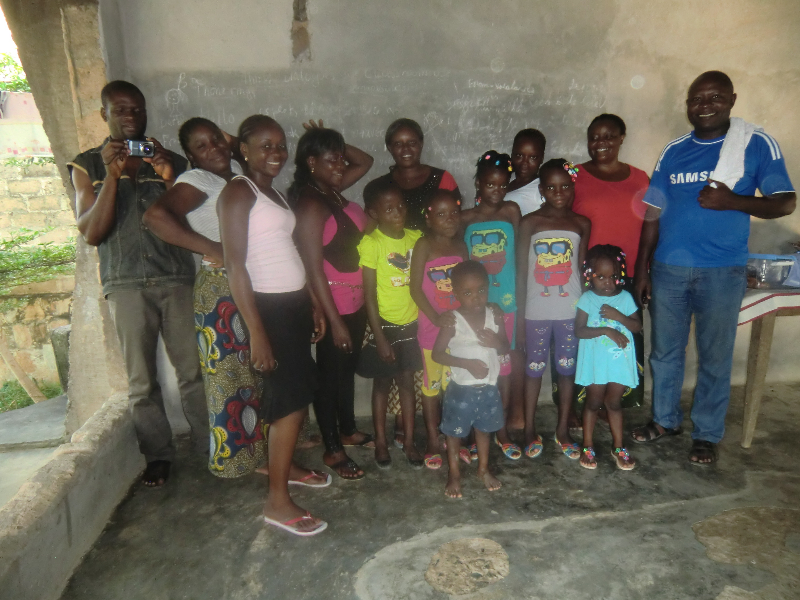
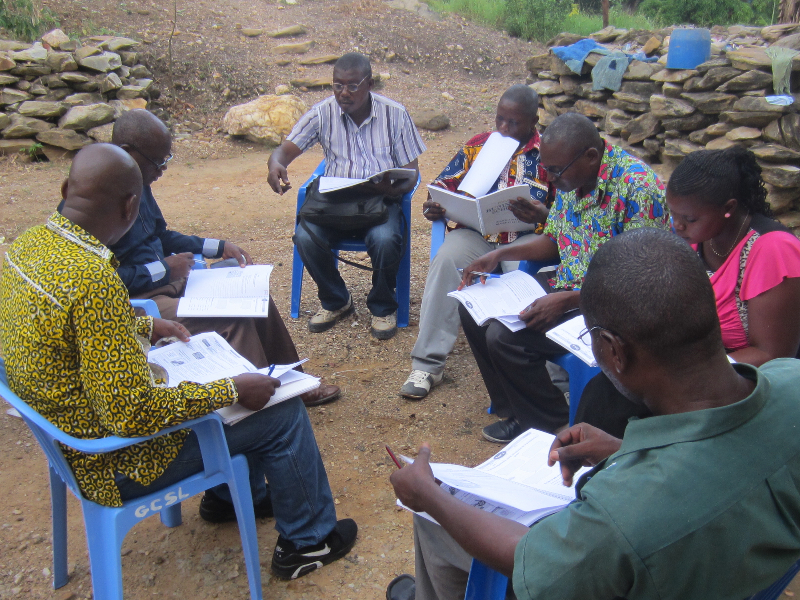
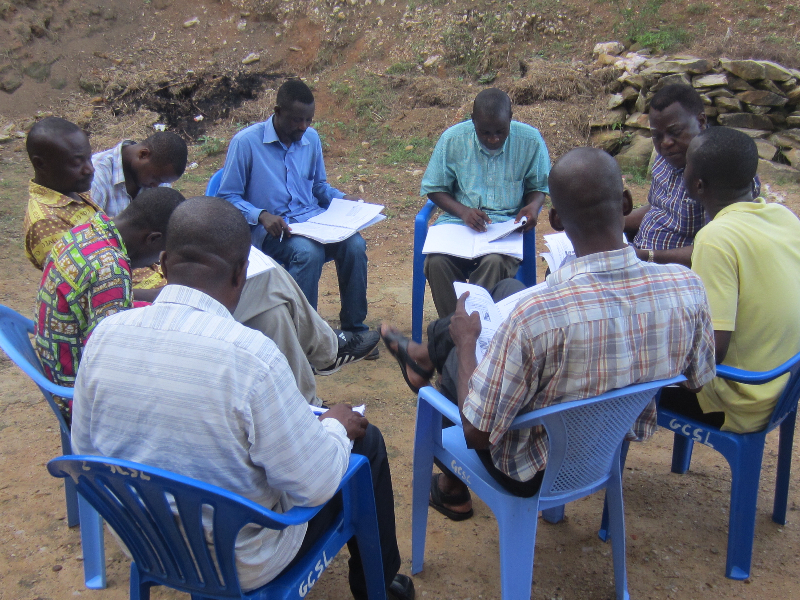
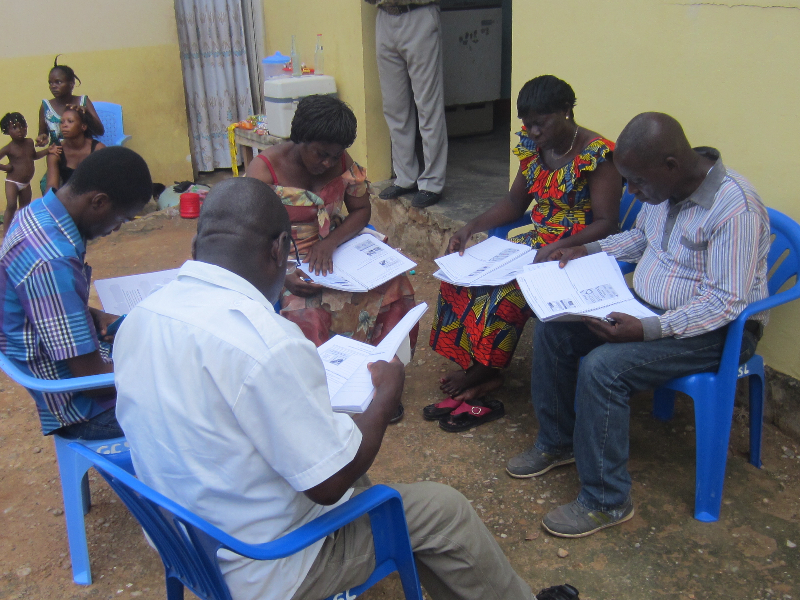
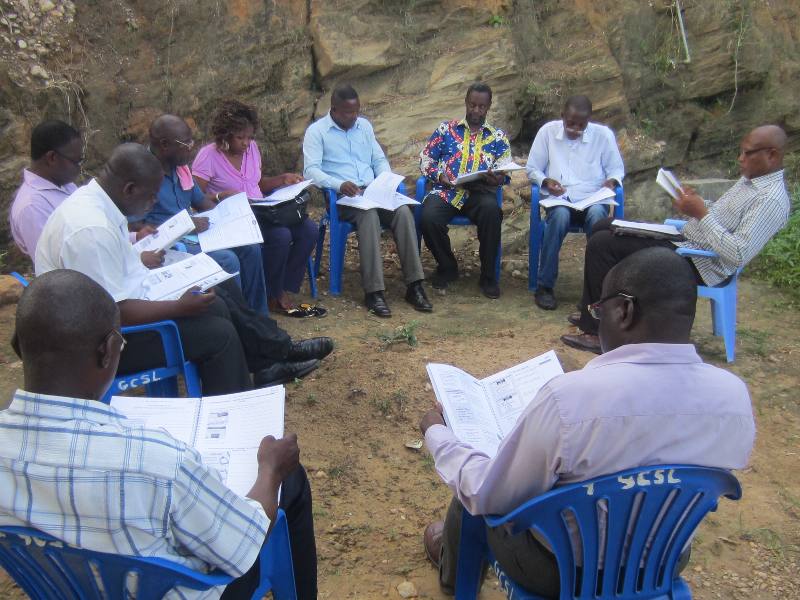
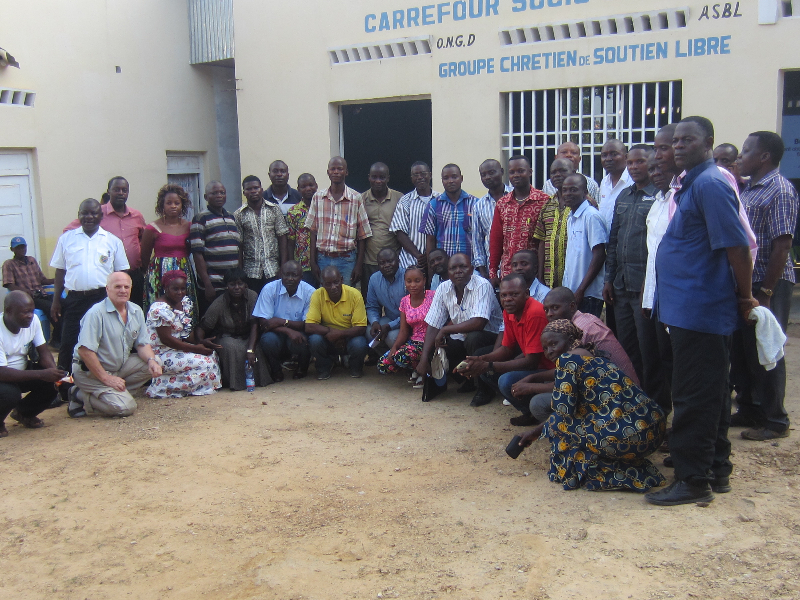
Before they went home, we had group photographs taken. And somewhat delayed, chilled soft drinks arrived. We offered them to the group to honor the day.

Posted in MSG

In the service of enlightenment

Pastor Yavengi Diangitukulu receive the solar lamps from Bernt

In the morning, pastor Yavengi Diangitukulu came over for an meeting with Yapeco. We agreed that Yavengi, Yapeco and Julienne will take responsability for the entrepreneurship education and FBS in Matadi. They will now ensure that the second part of the course will be conducted during the month of May. We haven’t worked out the printing issue yet, but we think there will be a solution. Together, we drafted a certificate that the participants will receive tomorrow at the last lesson. It is customary here to get a certificate when one has participated in a course of any kind. We noted that at least seven different protestant churches have been represented among our participants as well as the Catholic Church.

We gave a set of solar lights to Yavengi, as promised yesterday. The package contains four lamps. Now, he won’t have to be in the dark when the power goes out, which it does all the time. Instead he can use solar energy – which is free – to charge the lamps during the day, and then he can use the lights – without any interruption – when it is dark outside. It can hardly get any better.

In class today, we treated the importance of having contacts and a business network in the business world. The second topic was marketing, which stands for a large part of the sales process and is essential whatever you sell. Unfortunately, the heat was oppressive today, and some of us had troubles staying awake. One of the participants that fell asleep dropped everything in his hands to the floor with a loud thud, and both he and the rest of us woke up with a start. Because of the heat, we let the class finish half an hour early today.

Posted in MSG

Installation Service in Baobab Church

Meeting hosts

Yapeco has been a very busy man during the past week. He is the president of the committee that has been in charge of the installation service today. We have been told during this week that an installation service is a little above the ordinary. But we could never have imagined it to be as extensive in length and content as it was. I will tell you about some of it here, but it’s impossible to include it all.

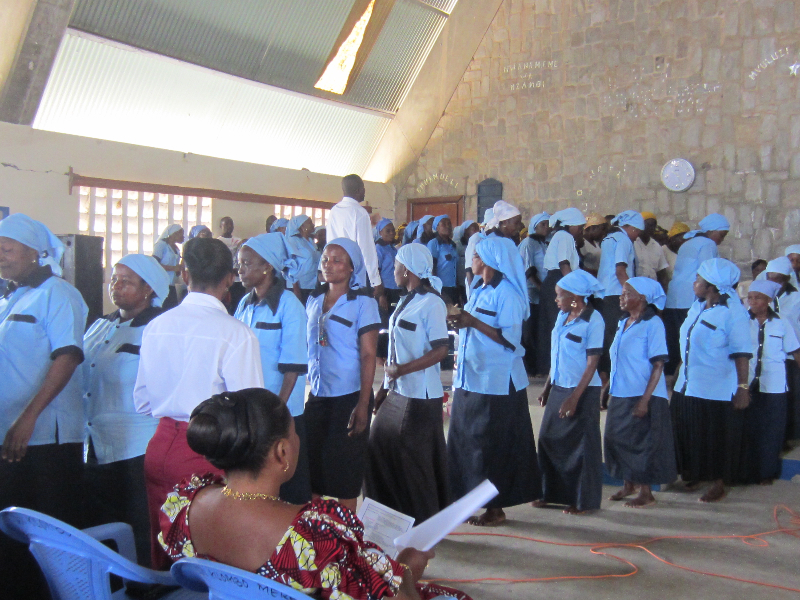
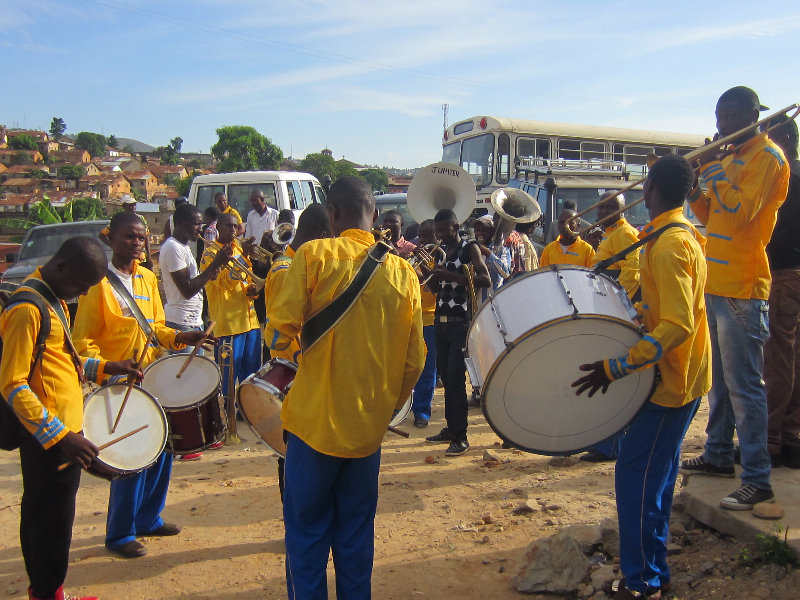
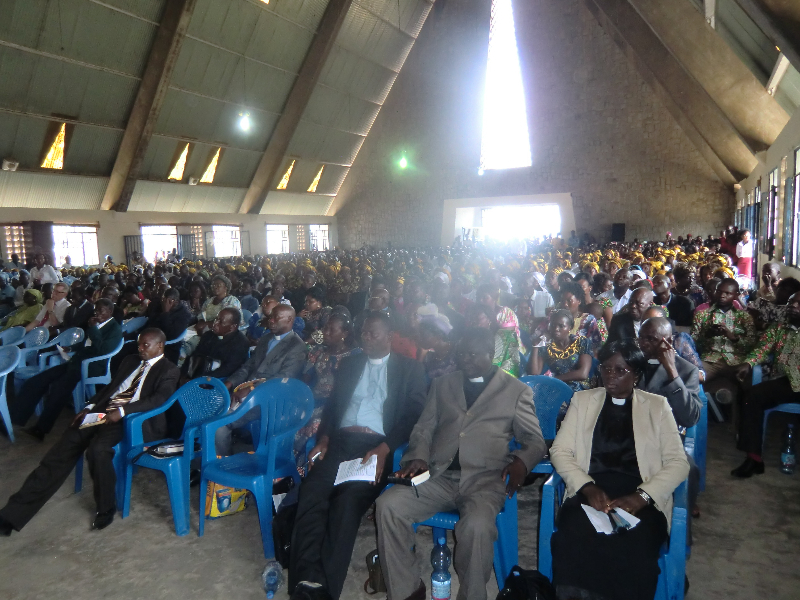
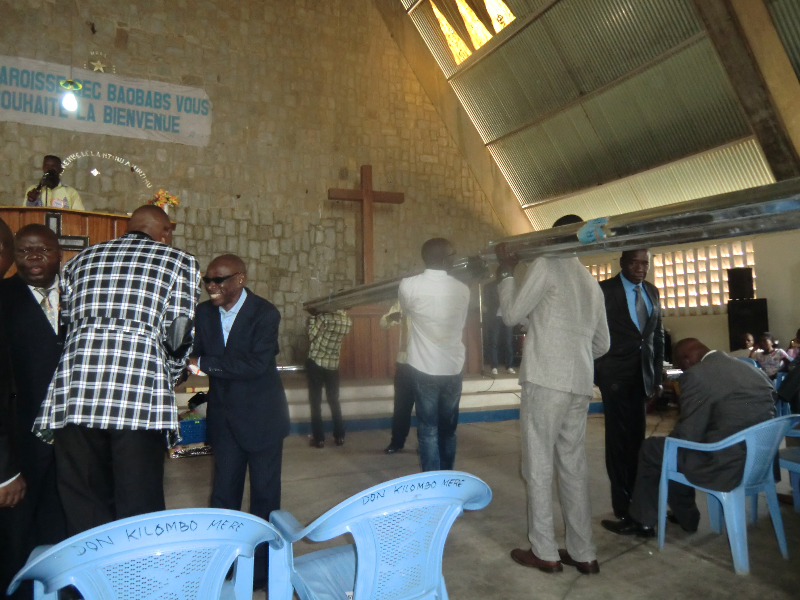
It started at 9.30 a.m. and ended at 4 p.m., followed by dinner. The church was more than full with about 1 250 persons present. There were many guests and three large choirs from other churches had been invited. The church brass band and at least five of the church’s own choirs performed. Pastor Mpedoso from the Nzadi and Pozo parishes in Matadi was leader of the service throughout the whole day. Thanks to the participation of all the choirs, there was much singing.

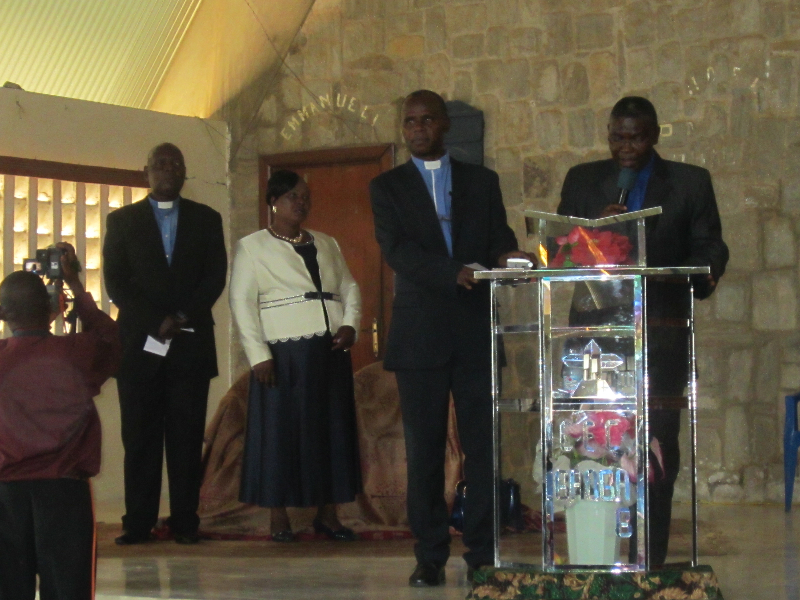
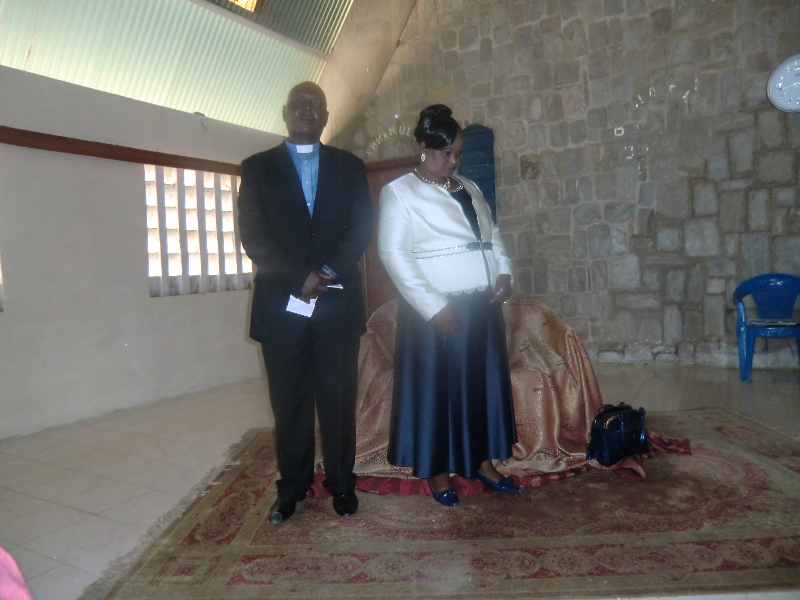
Pastor Diangitukulu was installed as pastor and as district superintendent and gave his installation sermon. He preached about the need to have a goal, to move like an runner towards a target. We were happy when he mentioned our course and some of the content of the FBS material on this subject. Diangitukulu then became personal and assured us that he will work for the Church’s best, with endurance, as long as he is given the opportunity. The service also included the recurring elements of welcoming all guests, collection and announcements.

The actual installation began at two o’clock. Mission Director Edi Diafuanakana led the extensive ritual in which the tasks, responsibilities and visions of a pastor were treated. Another man welcomed Diangikutulu to the Baobab church and the church district. Then there was intercession for the new pastor and his wife, led by Clement Nyambudi and fidel Muanda, two former Mission Directors.

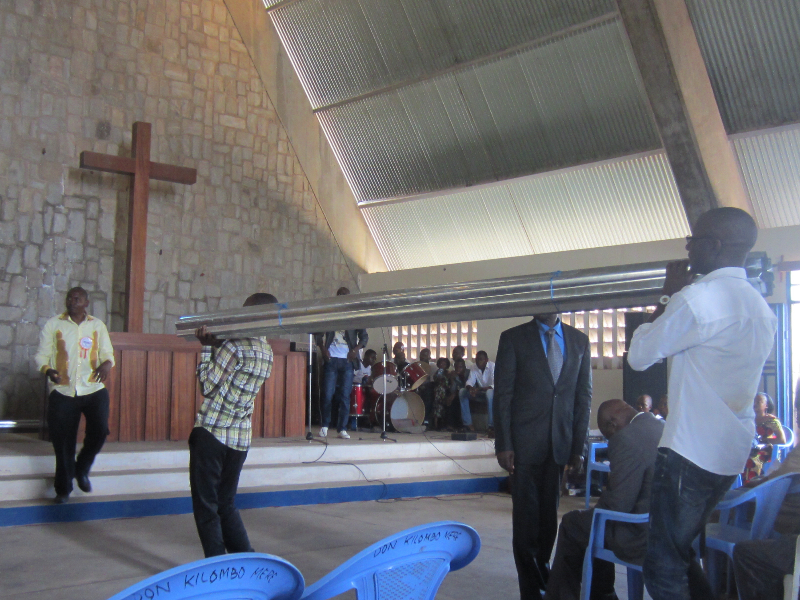
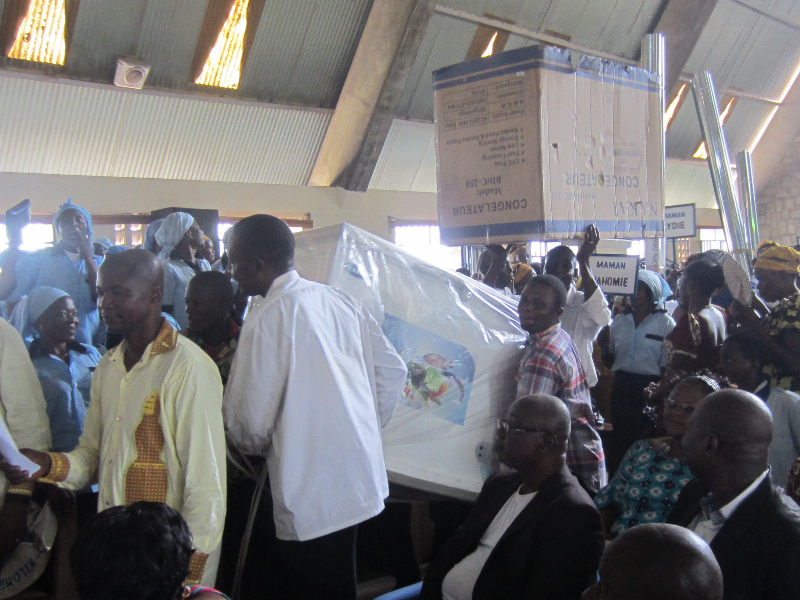
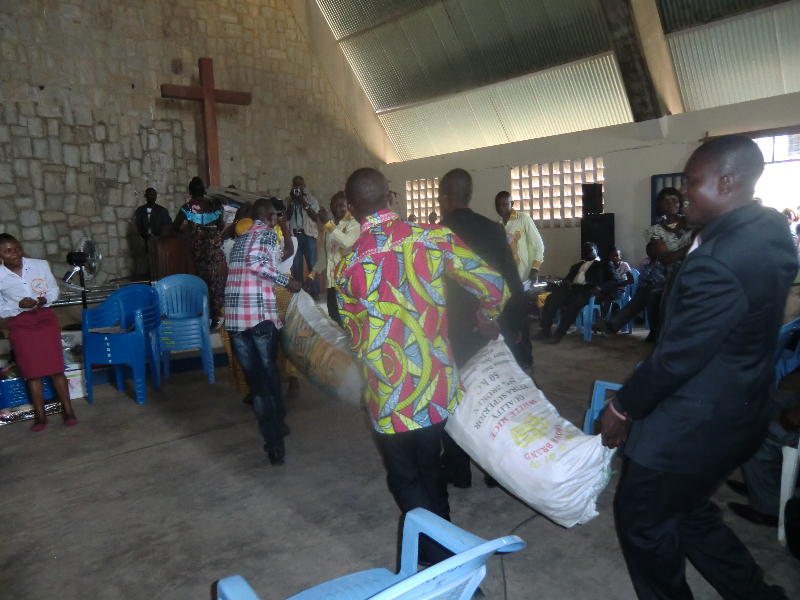
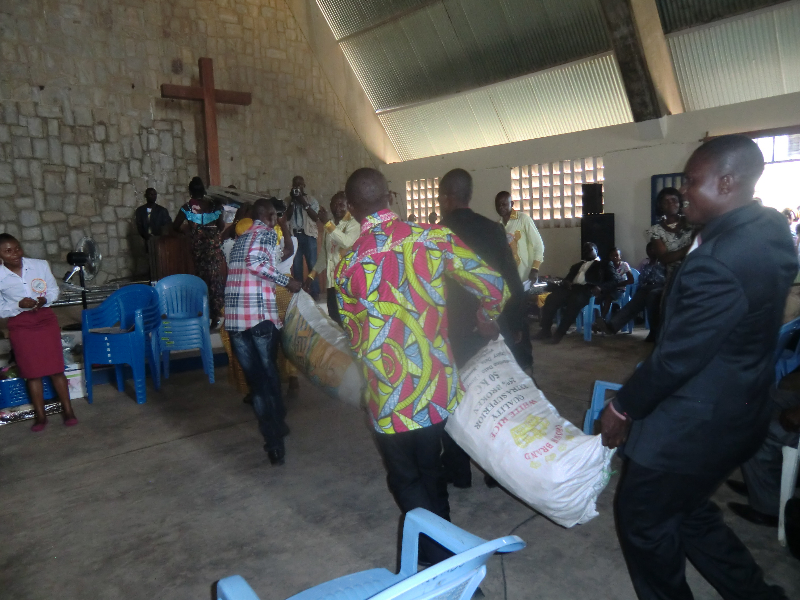
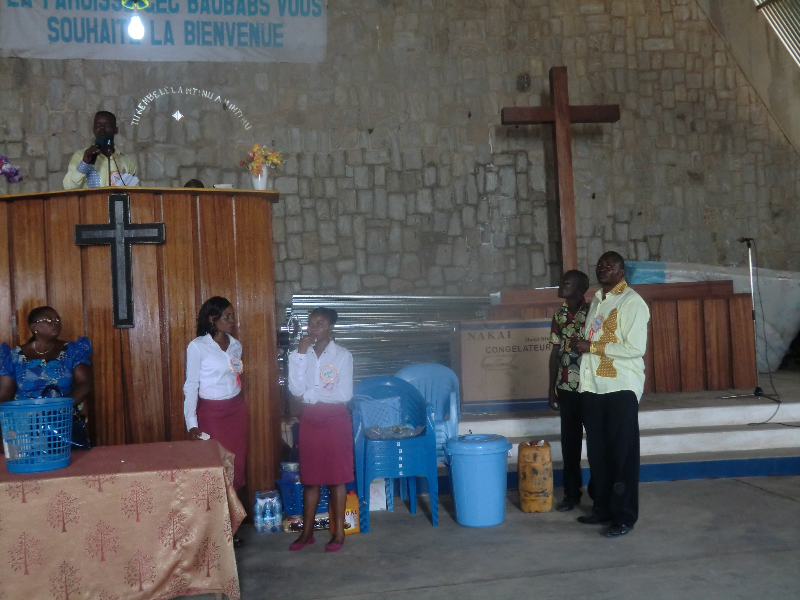
The next item on the agenda brought with it a lot of funny moments. It was the part where the congregation handed over gifts for the new pastor. The domineering gift was tin roof, the Diangitukulus received about 30 to 40 panels. But there were also chairs, a fan, a freezer, buckets and other containers and many other useful things. We gave an envelope with money, like many others did too. Six women came carrying a heavier gift, a thick double mattress. Lots and lots of food were given, and as the brass band played during ceremony everybody danced their way to the front of the church with their gifts.

I brought greetings from the friend congregations in Hökerum and Blidsberg and Bernt had greetings from the Immanuel Church in Borås and Pastor Joseph Nsumbu. On the spot we decided that the Diangitukulus needed some lights for their house and we promised them a set of solar lamps. No one had thought of lamps, so it was fitting that we give them a set. We have them in stock here in Matadi, and we’ll give it to them tomorrow. We hope that it can be a gift from Hökerum, Blidsberg and Borås. At the same time I took the opportunity to advertise for our solar lamps. We’ll see if it helps Yapeco to sell.

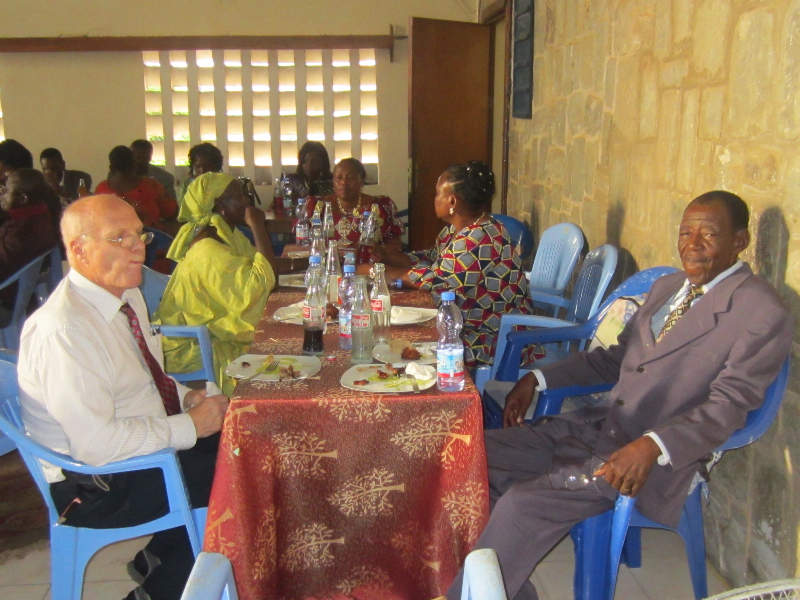
After this, the congregation invited everyone to dinner. A total of 825 people accepted the invitation. There was fish, chicken, cassava, fries and soft drinks. This had been the longest church service I’ve ever experienced. It had been an event characterized by orderliness as well as a rich and varied content. Uniformed hosts and hostesses had been taking care of us during the service, and they continued to keep track of us during the dinner. Everything was very well organized.

Posted in MSG

Poultry farmer

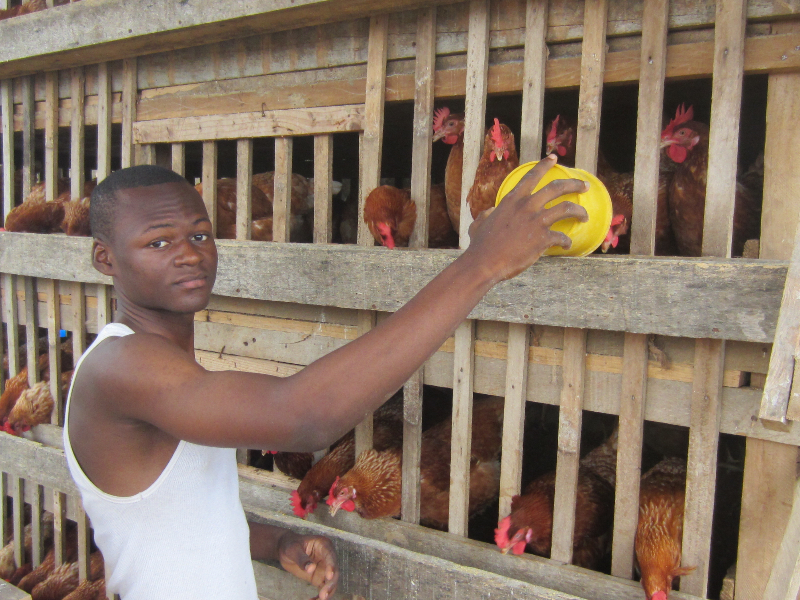
Stig Bakala picking up the eggs

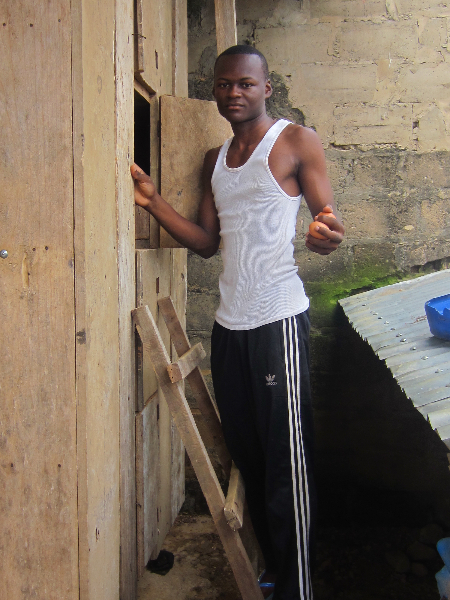
The son of the house, Stig, turned 18 last Saturday and we congratulated him on his birthday with a gift. He and his sister Signe has school holidays because of the imminent Easter. They are free for two weeks. Stig will be graduating from secondary school next year and Signe is a few years younger. At seven o’clock every day Stig feeds the hens before going to school. There are 132 hens. He also gathers the eggs from the nests, about 100 eggs a day. Stig is not just a high school student, he is also a poultry farmer.

In the mornings, we prepare the classes that will take place the same afternoon. Today we only had two hours to prepare instead of three. Because it is Saturday, the participants wanted a shorter session. Some of them were going to a concert in the Baobab Church later in the afternoon. We will continue the course two more days next week. Today, we went through the business plan, how the free market works and the concept of win-win. When win-win works, it creates long-term business relationships. We had 29 participants today, a little less than earlier. Yesterday there was 35 of them.

Unfortunately, Yapecos car broke down when we were on our way home. We had to leave it in town. Instead, Yapeco got us a taxi. When the taxi driver saw that there were two mundele together with the two ndombe, he demanded a higher sum of money for the ride, at least the double of the normal fee. Pure discrimination. There are no reasons concerning the actual taxi ride for the extra charge when there are mundeles in the car. The car does not consume more fuel, for instance. When Yapeco had explained this to the driver, he accepted the reasoning and we paid exactly 800 FC per person. Eventually, we got home.

Bernt ran into the same phenomenon when he were buying bananas today. The seller asked for a much higher price than Bernt usually pay for bananas, and Bernt asked him about that through our interpreter. The seller responded that mundele can afford the high price, thus the bananas are expensive. That being said, the deal was done. In this business relationship, we could see a win-lose effect.

Posted in MSG

A school entrepreneur

Samuel Nkailu

Matondo visited us today. He has attended a previous course and we have a committment in his business. He runs a school and has 100 students, a kindergarten and a primary school. Previously, he also had a transportation business, but this part of the enterprise has been shut down. His report was a bit gloomy. The parents of his pupils are having difficulties paying the school fees. The school fee is 10 U.S. dollars a month, and if he puts pressure on the parents to pay on time, they let their kids stay at home. It’s not easy being an entrepreneur. One has to make money at the same time as one has to care for the customers. After all, they represent his livelihood. Matondo has to get the kids to love the school and make them influence their parents to let them stay there. He also need the parents to see his side of the story and make them understand why school fees are mandatory.

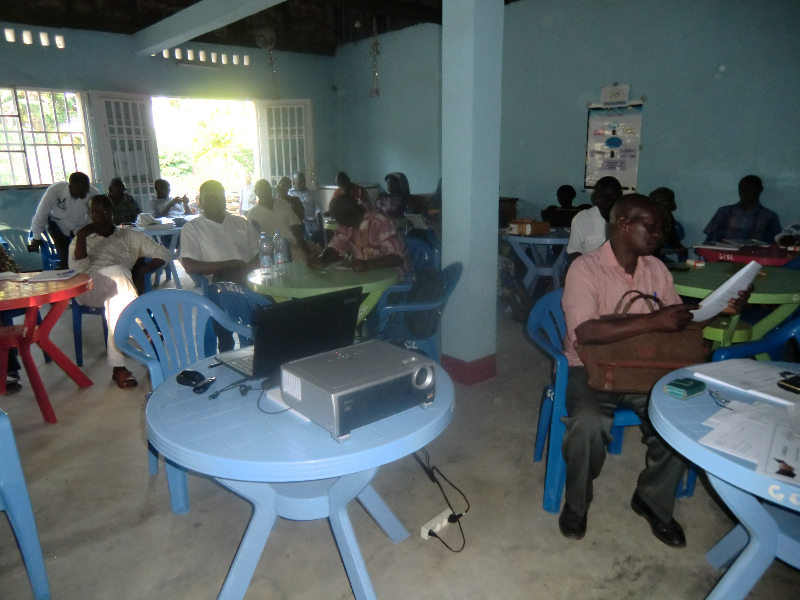
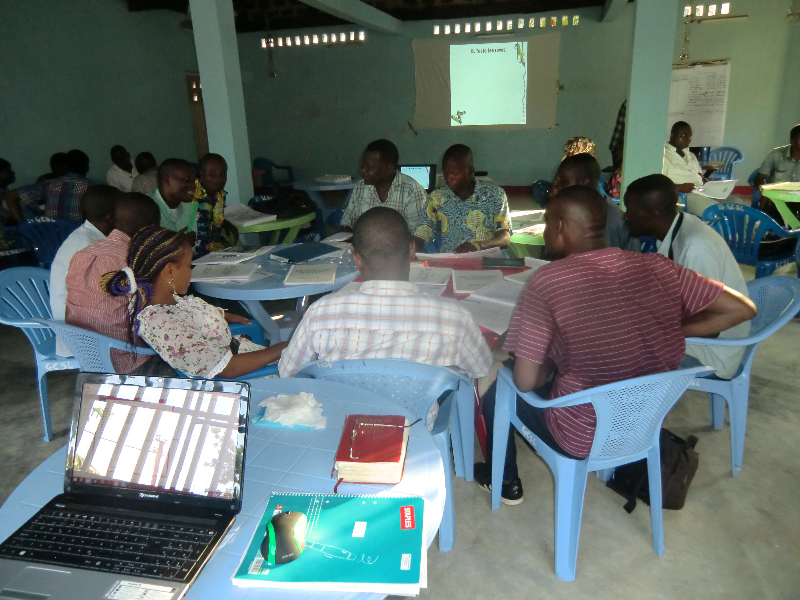
At half past two, we came to the Youth House to put up our equipment. The power was gone when we arrived but to our delight, it returned a few minutes before three. It is nice not having to use the generator, because the humming is a little distracting. Julienne went through three lessons. The first was a continuation of yesterday’s lesson about risks and businesses. The other lesson was called “you and your company” and the third was about economic planning.
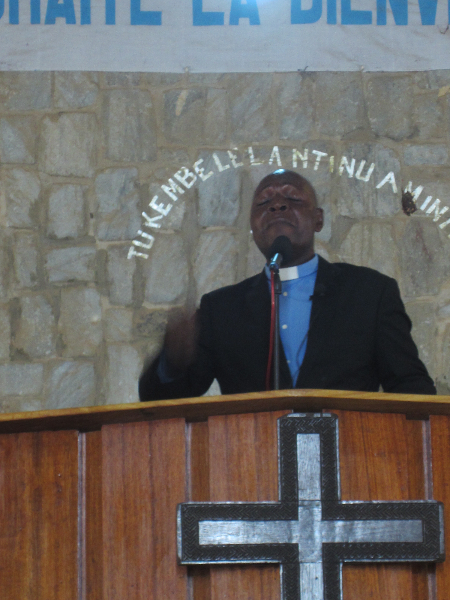
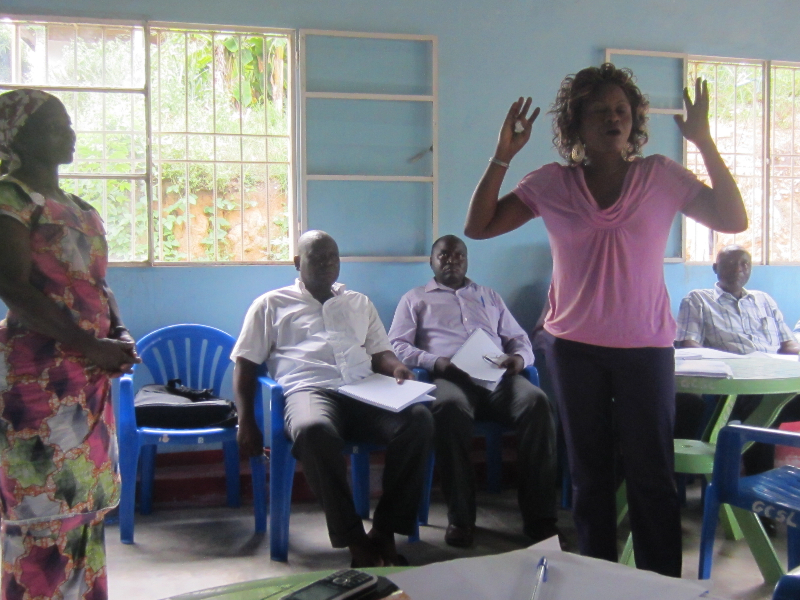
We had some group discussions with a lot of hustle and bustle. They were also asked to report on their homework. The verbal presentation skills of the group are excellent, everyone seems to have the gift of speech. I look forward to see their ideas and knowledge put into practice. I began the day by emphasizing that it is only you, the individual, that can change your own situation, the situation of your family and your society. The change comes through hard work, responsibility and the blessing of God.

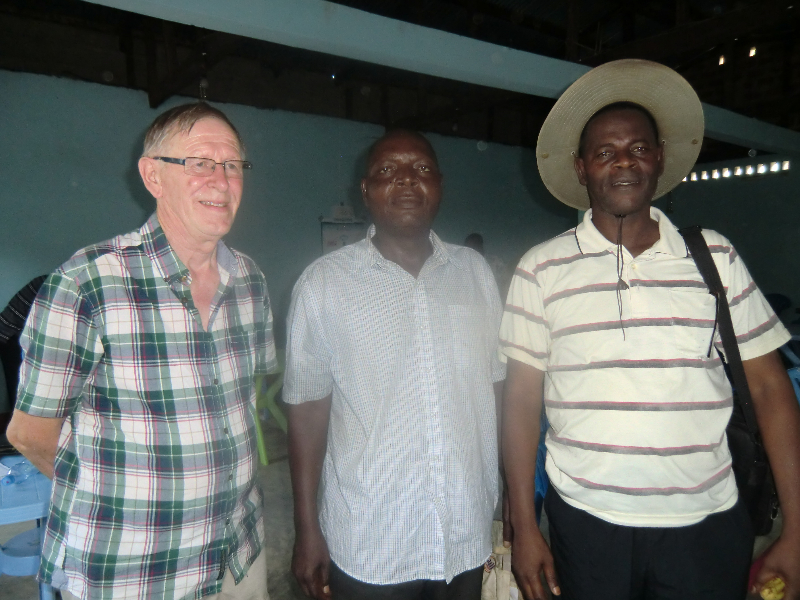
Samuel Nkailu, the founder and promoter of the Youth House, joined us today.

Posted in MSG

Plan of action

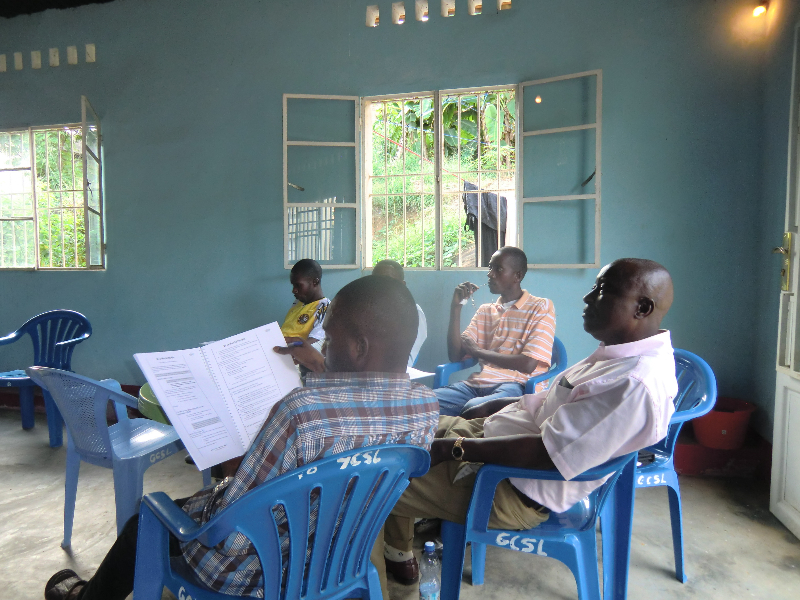
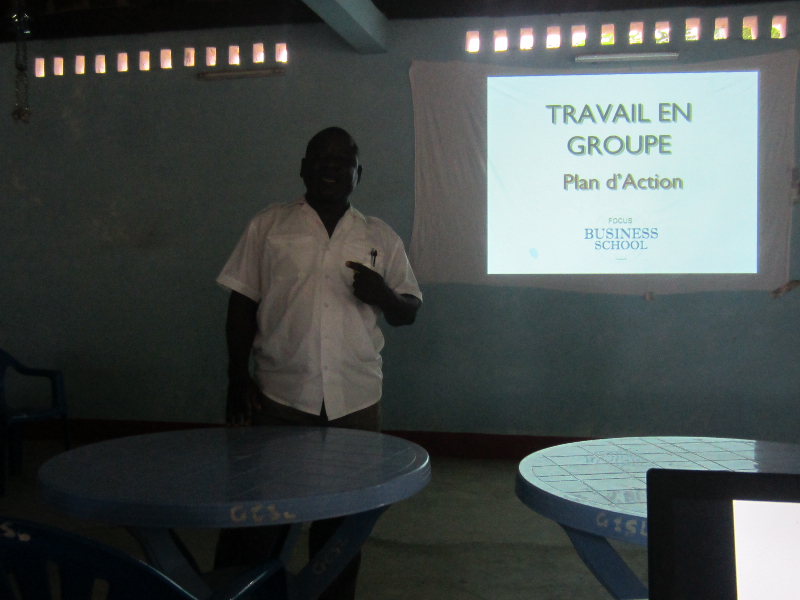
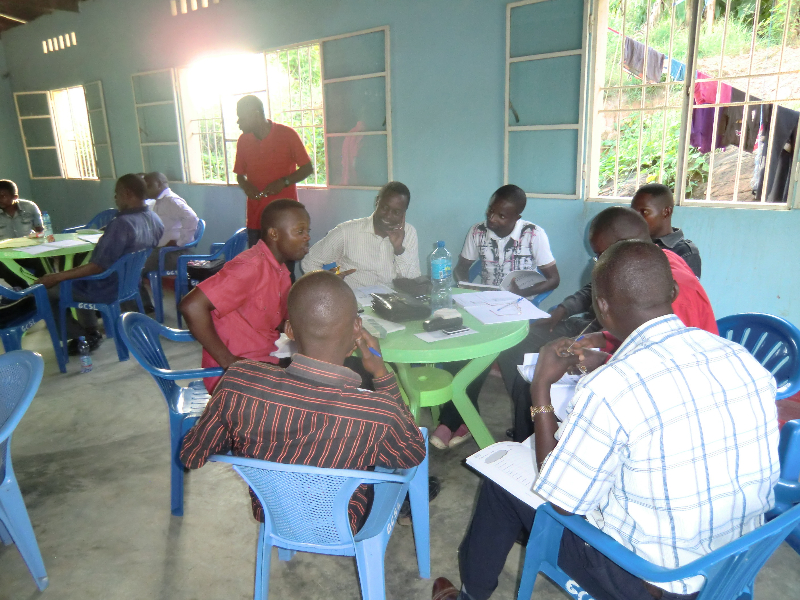
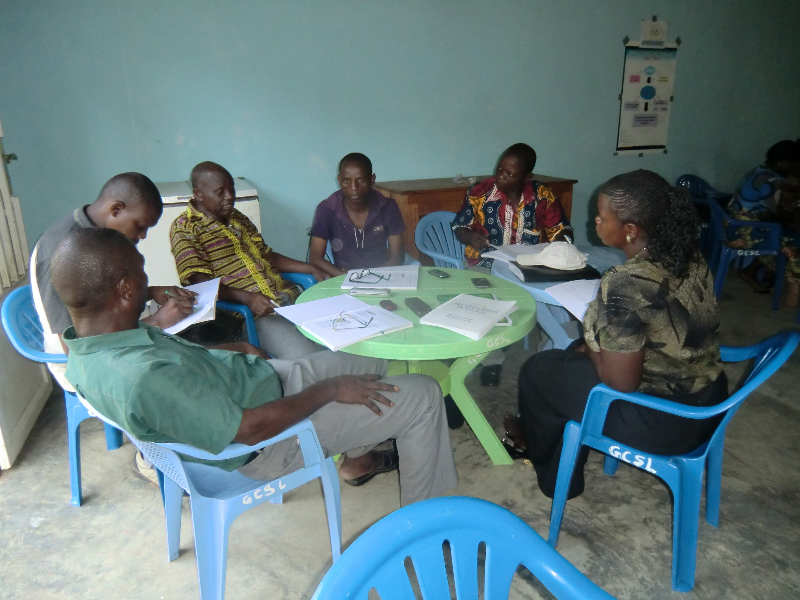
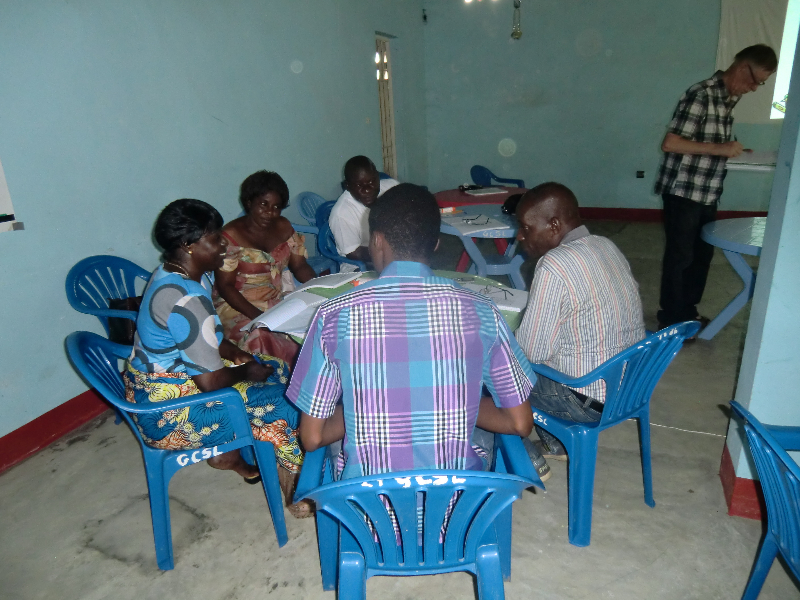
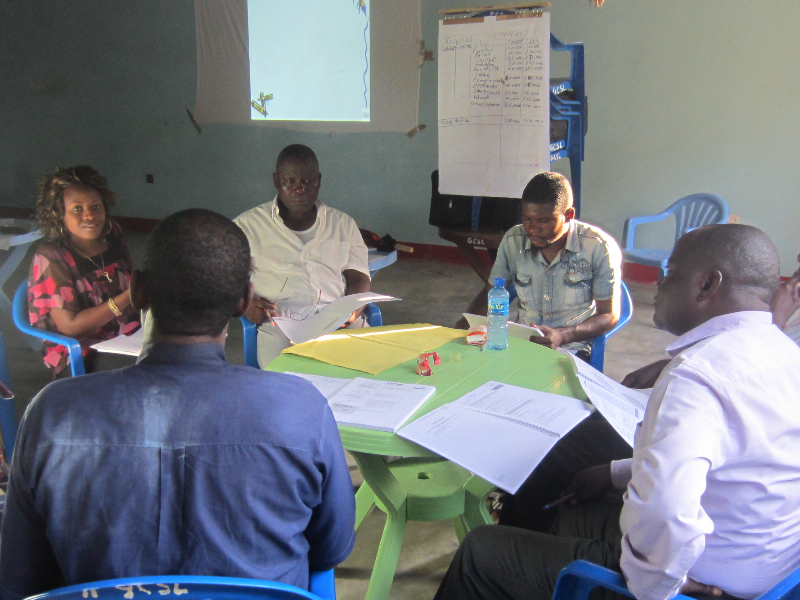
Today there were 32 participants. Yesterday we had a record with 38. The lessons of today treated the subjects of action plans and risk business. A lot of time was dedicated to group work and the topics to discuss were: the right self-image, the right attitude, the right habits and time management. When we were about to start with group assignments, the power went off and the room got a little dark. No problem, we moved outside to get better lighting.

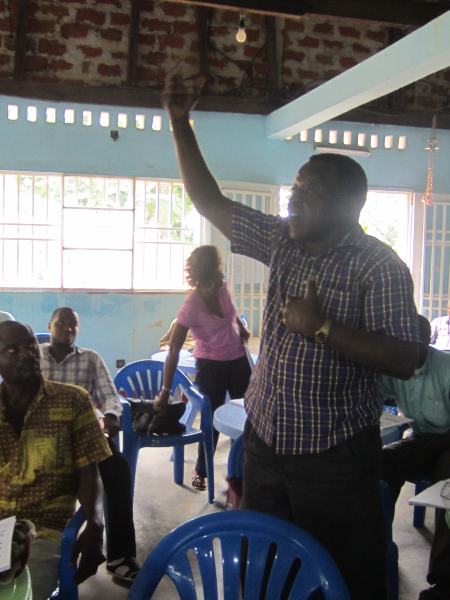
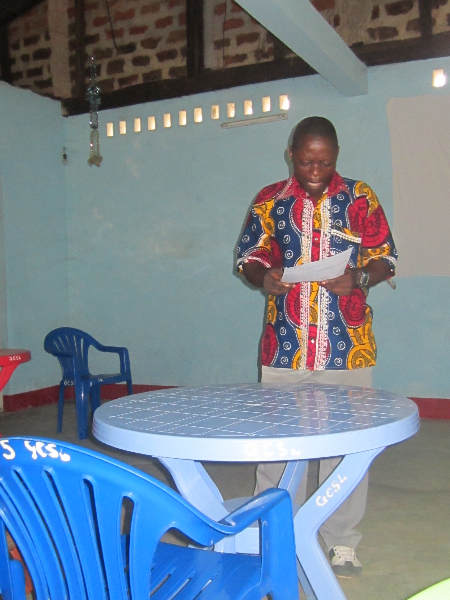
After a while the participants reported about their discussions. It was done with great committment and some pretty strong opinions. Sometimes there are controversies and disagreements, but at the same time, there is a lot of humour. They do not take themselves too seriously, but there is an obvious sharpness to what they say. The contributions received applauses and laughter. The whole thing was both learning and entertaining. The Congolese debate climate is refreshing.
We sincerely hope, and emphasize with clarity that the course should result in actions that get them started with activities that can improve their living conditions. Theoretical knowledge that don’t result in practical application is pretty useless. Those taking this course are expected to start courses in their respective churches. This week’s round of the course covers only the first half of the FBS material. We will see to that the next part gets here as soon as we have resolved how to get it printed. We hope to do it here in Congo if we can get a reasonable tender.
Posted in MSG

I have a dream

Samuel Nkailu and his grandchild Tsasa Tsumbu

We continue to drink moringa tea morning and night. If it keeps us healthy, it is more than enough for us. Until now, health has been on our side. So far digestion has agreed with the food we have eaten and we have been able to do what we have planned. The only downside is that it is warmer now than it’s been on previous visits. Even the Congolese complain that it is too hot. Afternoon hours get quite sweaty, but you get used to it. There is no point in complaining, it’s all part of the game.

We came to the Youth House at two o’clock. First we had a meeting with Samuel Nkailu and his grandchild Tsasa Tsumbu, a handsome man who is the head of a health insurance company called MDAS. Tsasa told us that they have a partnership with the telephone company Orange. If the policyholder procures a telephone subcription with Orange, then 12.5% ​​of the subscription fee will automatically go to the insurance company MDAS, as insurance premium. This seems like a smart business idea. The policyholder will probably not even notice the difference, and in return his/her hospital expenses are paid for in advance.

Today, the lessons were about dreams, visions and goals and the last lesson was reserved for teamwork. We emphasized the importance of having dreams and visions. I would argue that all major events in the world are preceded by dreams and visions. A thought or a brainwave of an individual can grow into dreams and visions that give the courage to translate these into actions.

The most well known dream is probably the dream of Martin Luther King: “I have a dream that the blacks in the U.S. will have the same status as the whites.” 40 years later, the United States have their first colored president. Martin Luther King had a dream, gave momentum to the civil rights movement which in turn got an enormous response through the following decades. Nelson Mandela is another hero who had dreams and visions of a better world, and eventually his vision became a reality. These individuals are very important to us as role models.

We sometimes hear resignation among our participants. “- It won’t work, it’s no use.” The worst thing that can afflict a person is despair. When you only see difficulties around you, despair may very well take root. The cure is to turn your thinking upside down and open your eyes to possibilities. Others have managed to make their way out of their misery. This must also be possible in Congo. But the conditions for change is to think in new ways, to find opportunities, to collaborate and to work towards the same goal. The road is not easy, but necessary.

Posted in MSG

The third day

Bernt and Julienne beside the moringa tree

Today, we had moringa tea for breakfast. In the house’s garden, there is a moringa tree. The tea is made either of the leaves or the seeds, our’s was made of chopped leaves. It is argued here that it can cure up to 300 different diseases, even toothache. Currently, we have not had such worries, so we could not verify the claim. It is also said to be good for the eyesight, but so far we see as usual. Furthermore, you will be younger, the more moringa tea you drink. We’ll see if we are recognized when we come home in two weeks.

Today we had 35 participants, and again it took one hour before everybody was in place. We are trying to correct these bad manners. One of the participants who is a pastor of the Alliance Church had brought with him nine of its members. The pastor thinks this course is so important that he persuaded his congregation to raise money for the benefit of those who were able to take the course. This church has its roots in the United States.

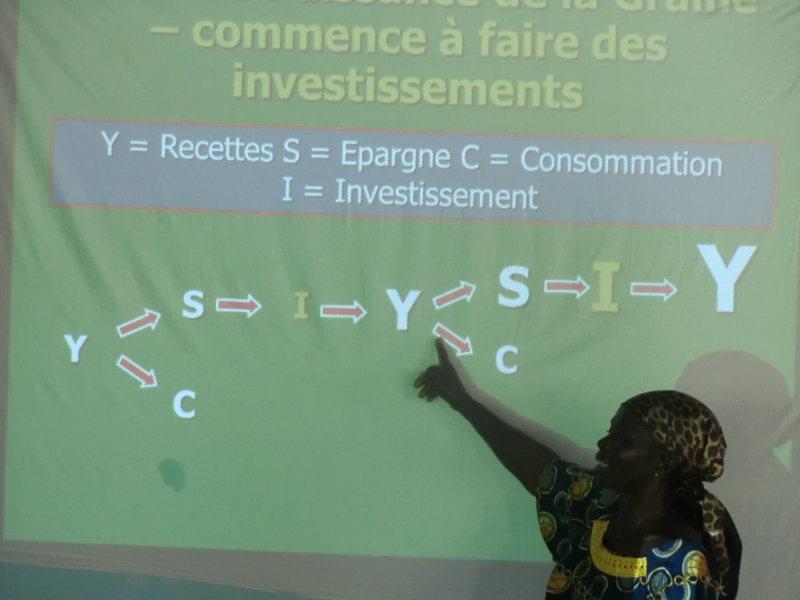
We began by repeating the important parts of yesterday’s lesson. It was easy to get the participants to speak about the subject. They were also asked to report their homework and many did ambitious presentations. Today we had four lessons. Saving resources is a recurring theme in the course material, as well as how the saved resources can multiply and grow in various investments. We talked about financial planning and making a budget. We talked about ways of getting a grip on finances. Today, the participants were given a form to write their resume. And we had electrical power, but only for a very short time.

Posted in MSG