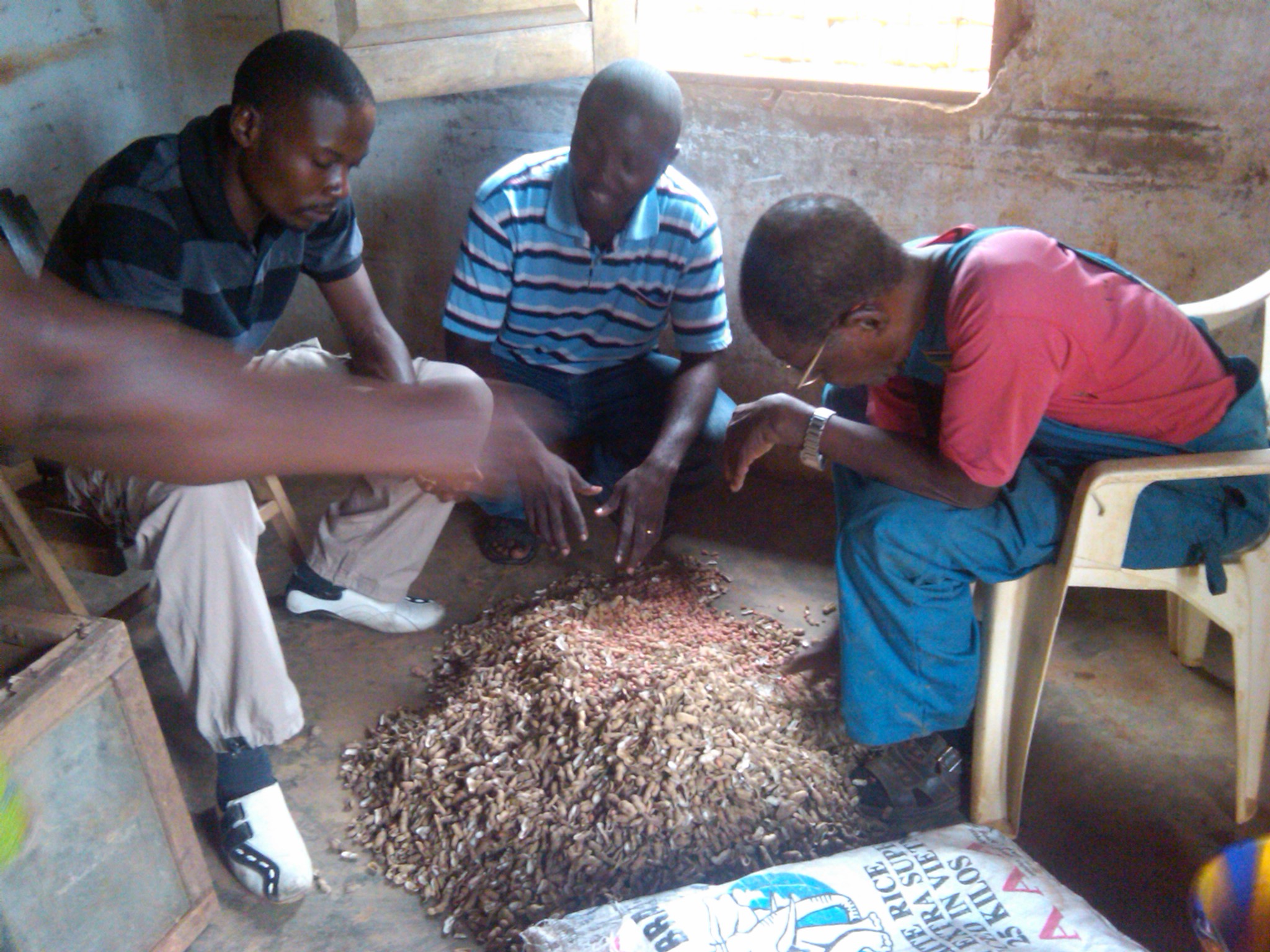
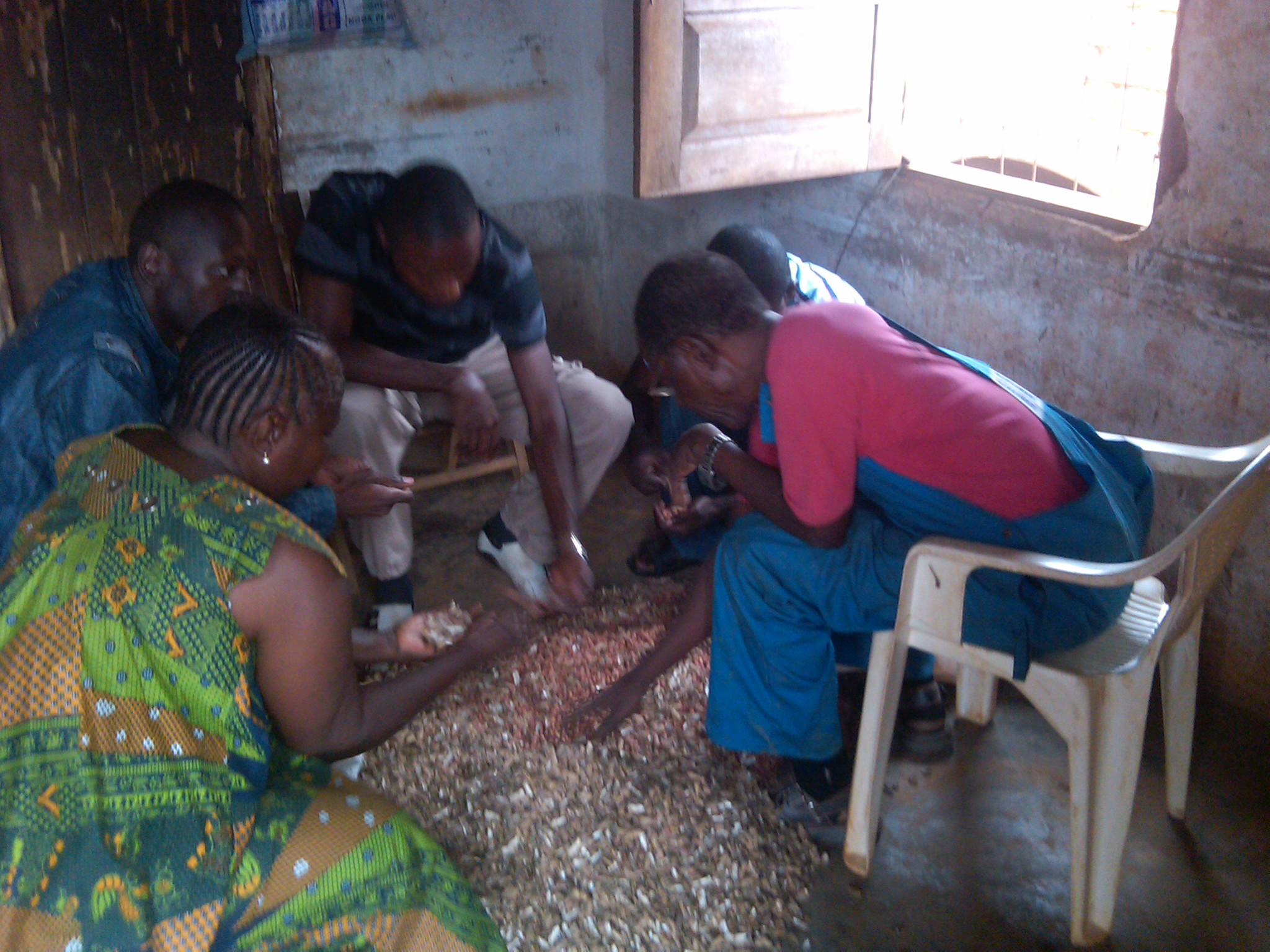
 Since last Wednesday the work is in full swing to prepare for sowing. Julienne, and Clement have begun to peel peanuts. All seeds should be checked and that they are in place in time. On Saturday morning the whole Nsanda Group gathered, except the ‘mondeles’ Bernt and Yngve, for planning and preparation of further work. On Sunday evening, they returned to Kinshasa. Julienne and Clement are left until the sowing is ready. Now we are waiting for the rain to be able to harrow the fields and then starting the sowing itself.
Category Archives: MSG
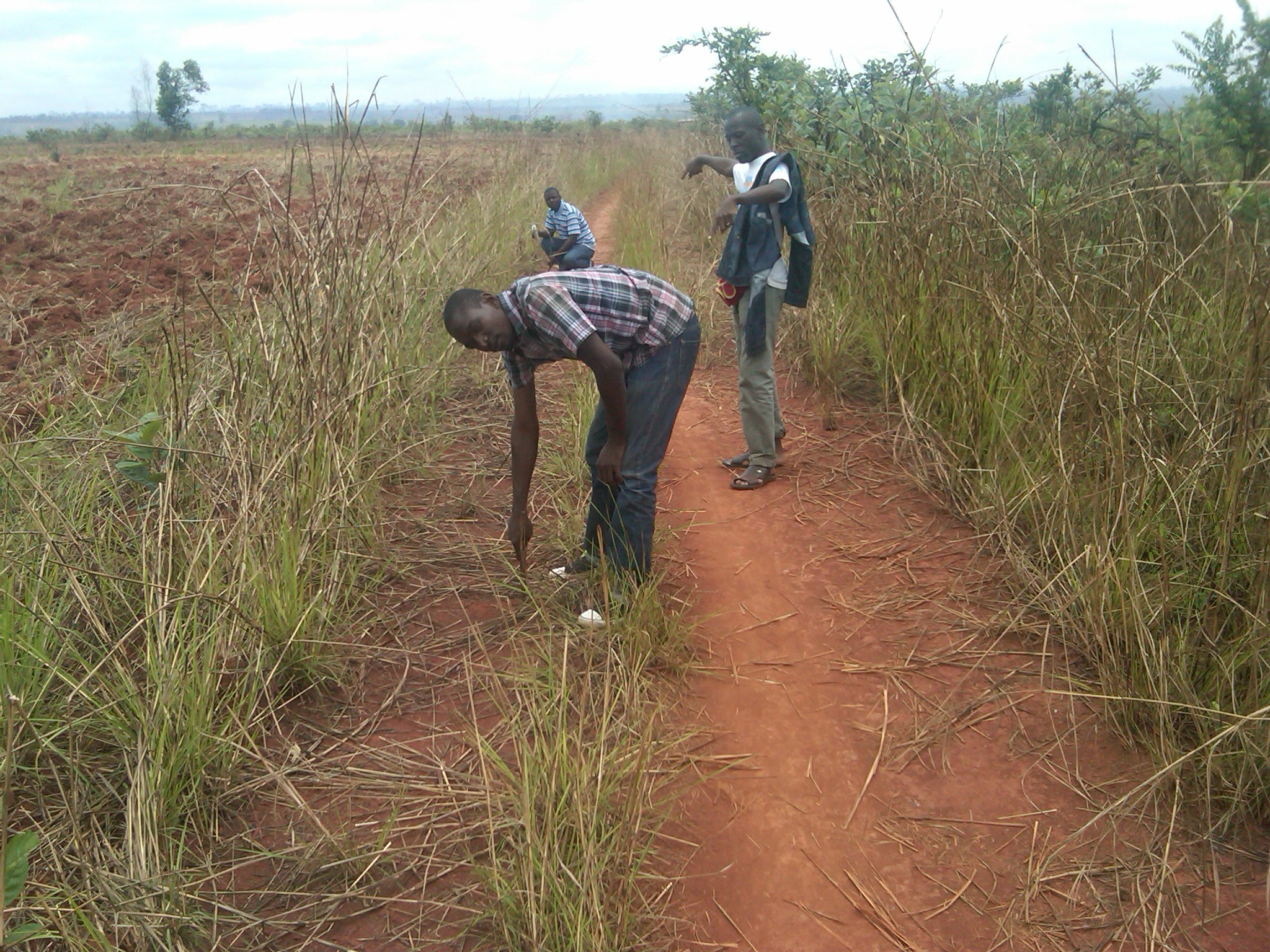
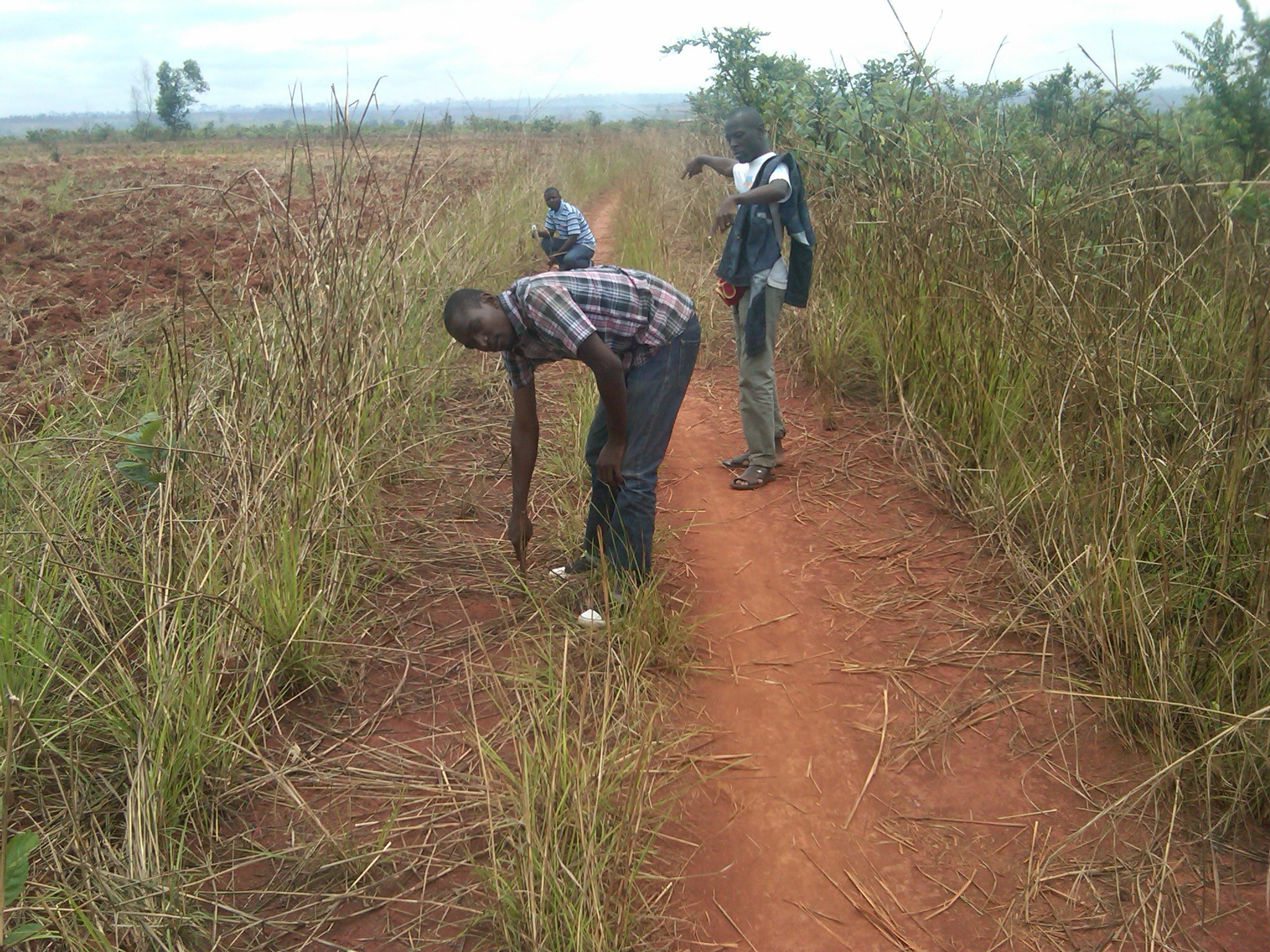
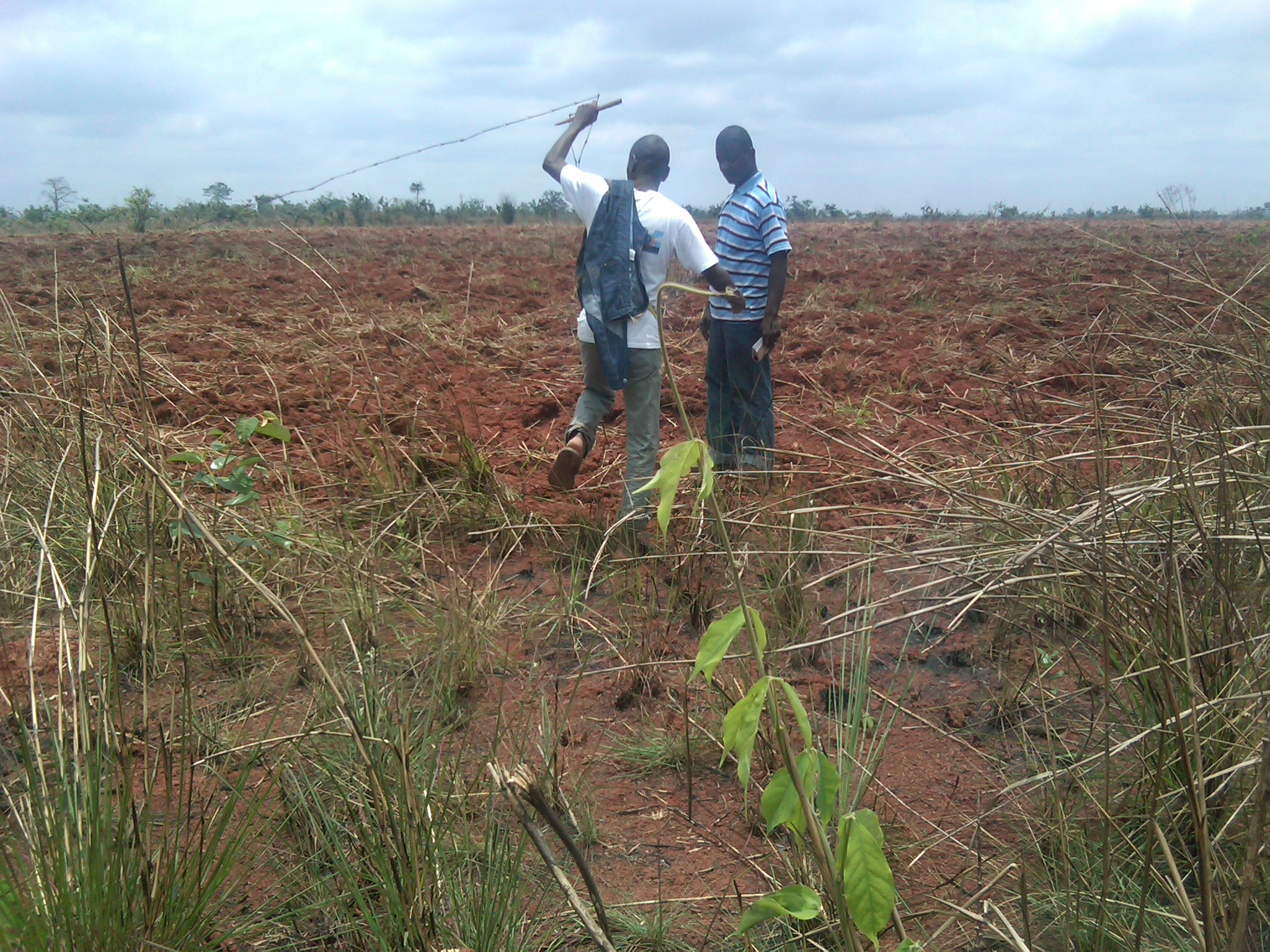
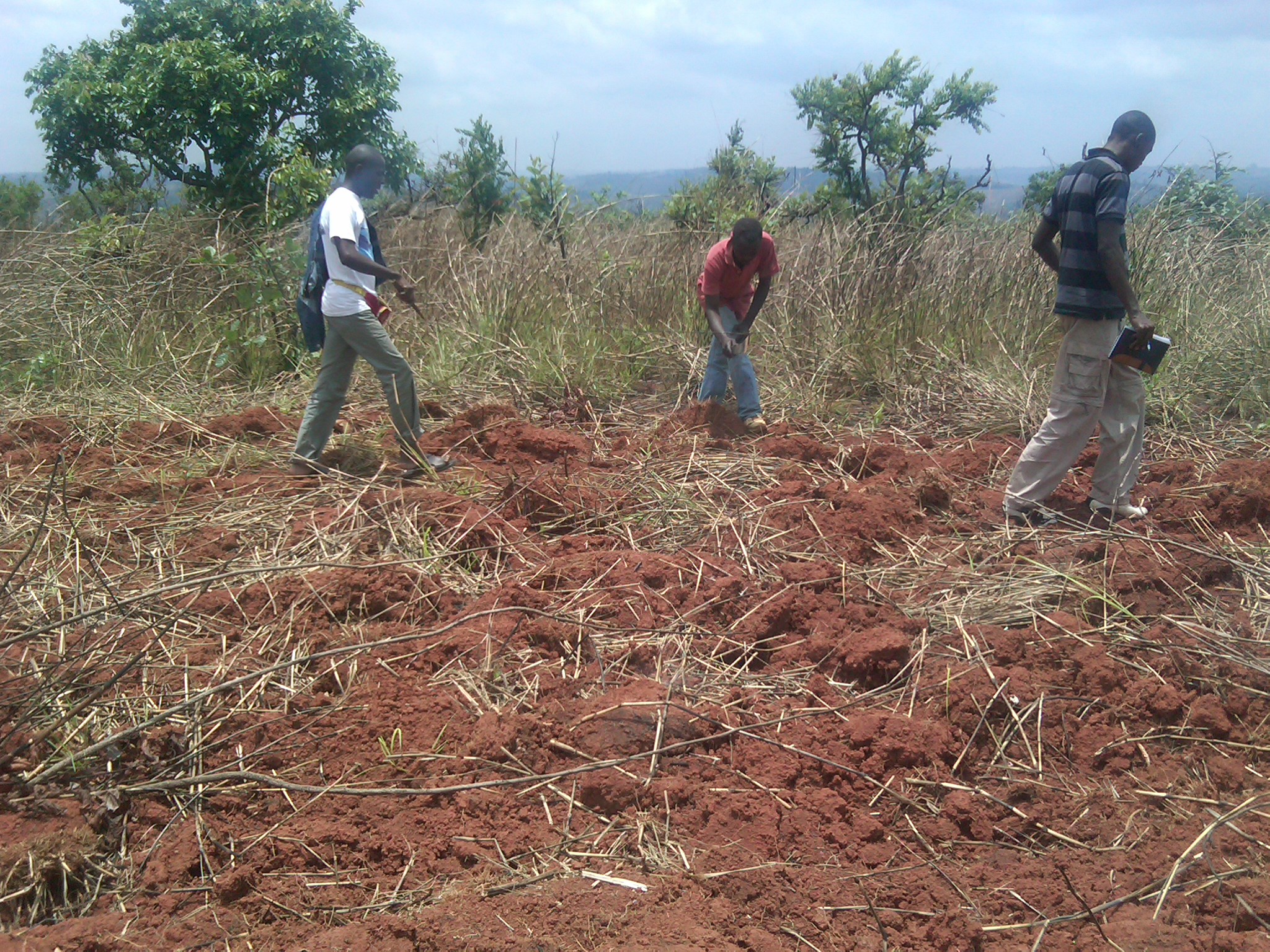
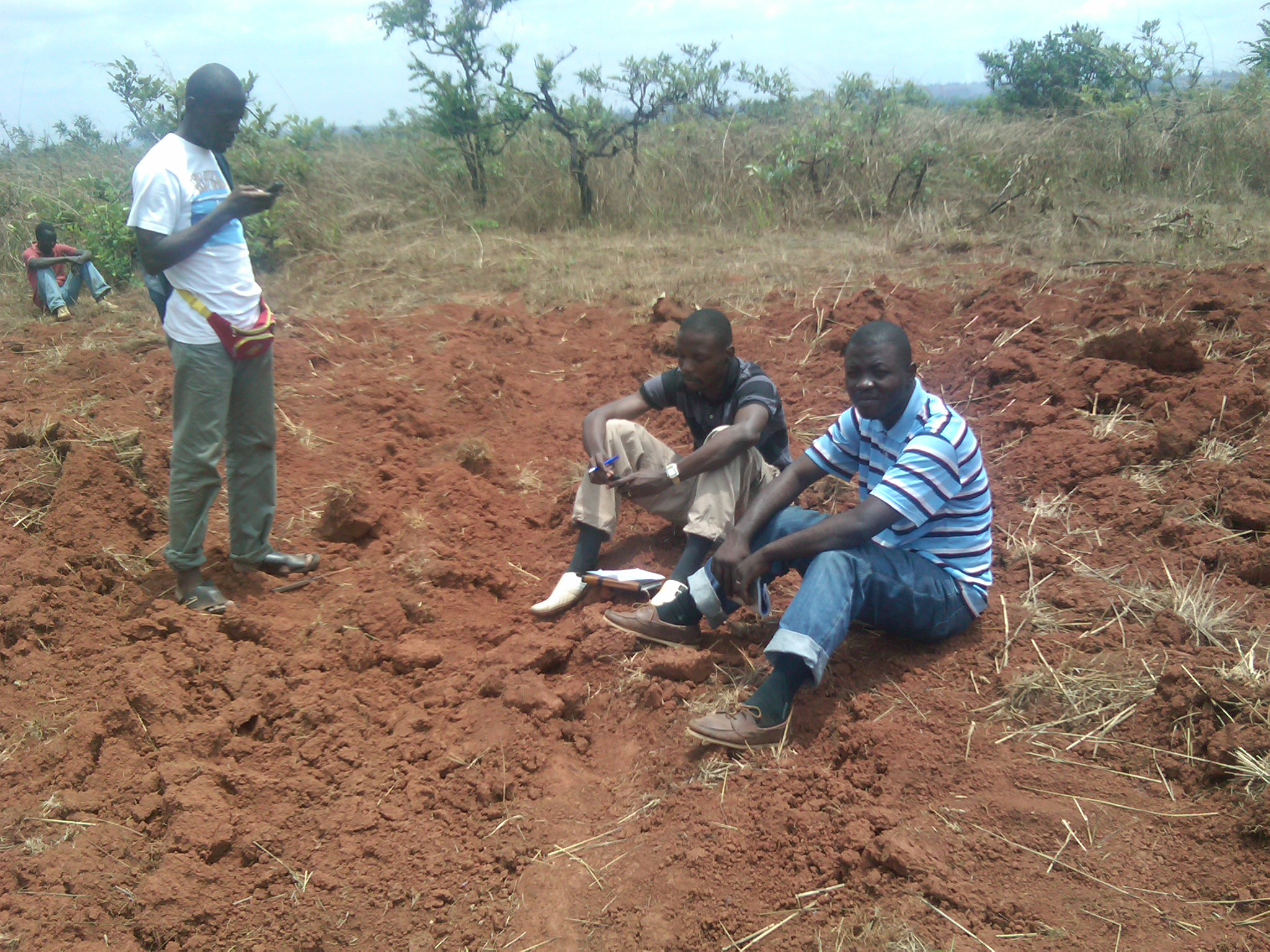
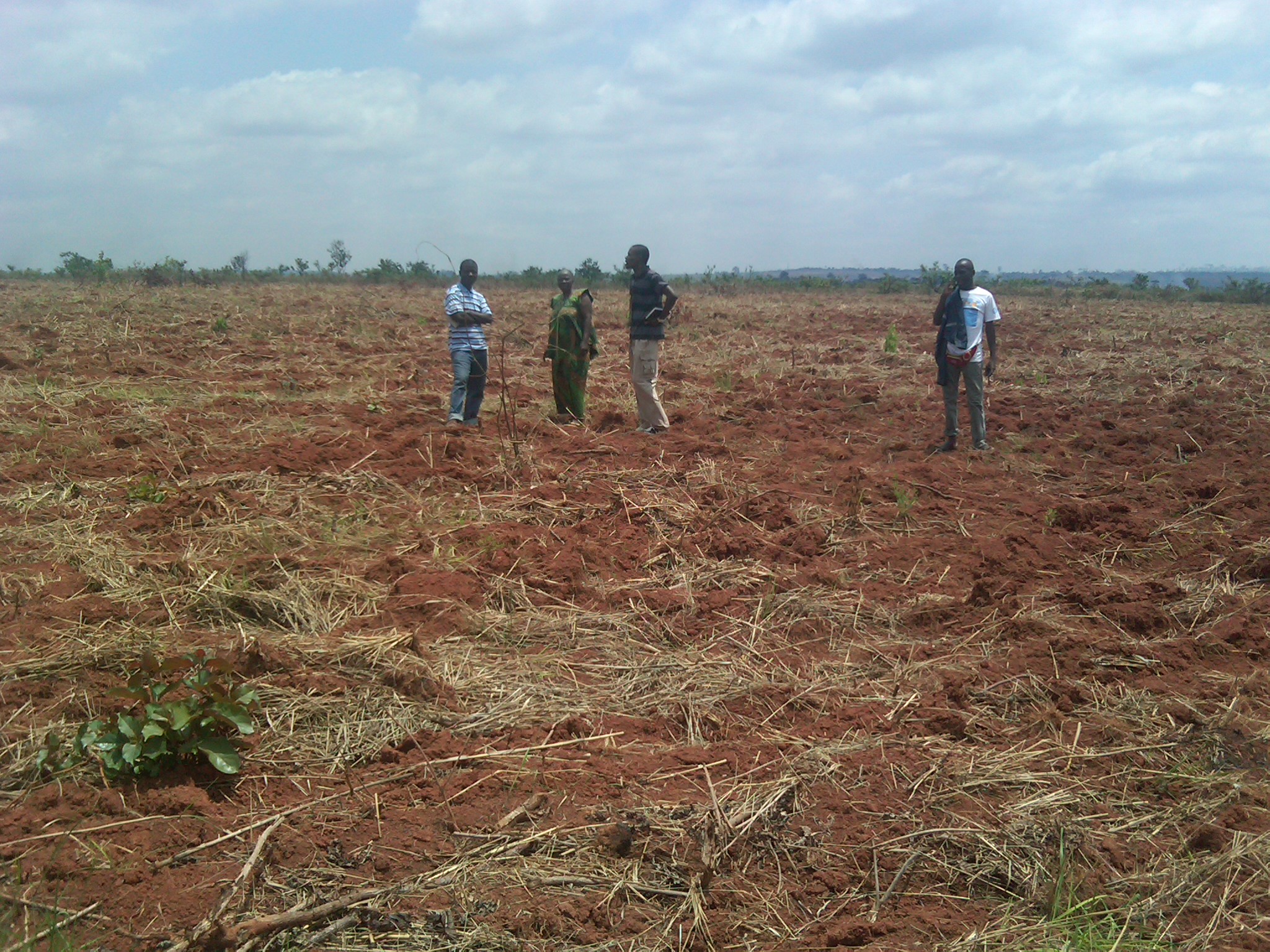
Today we arrived at Nsanda
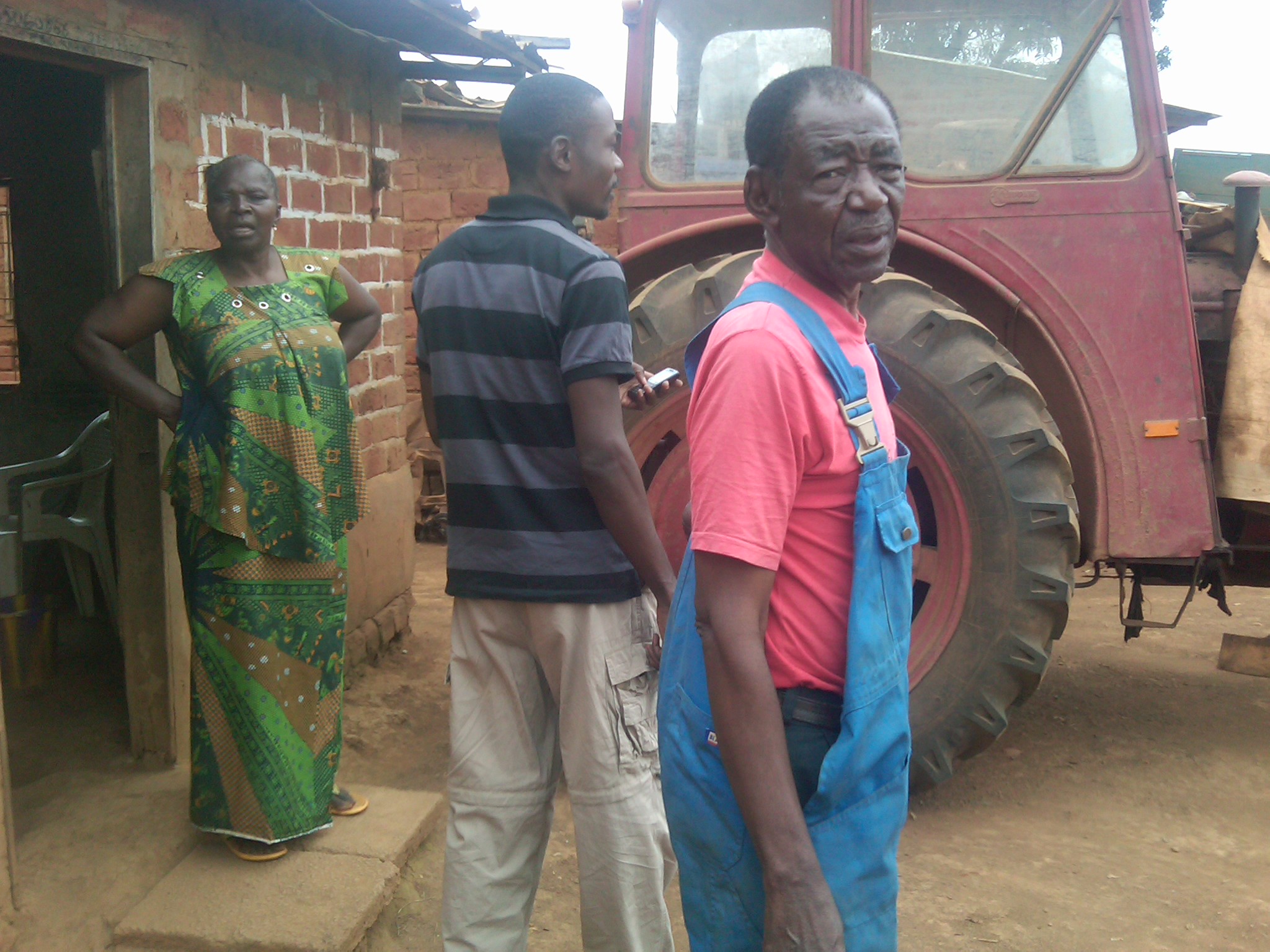
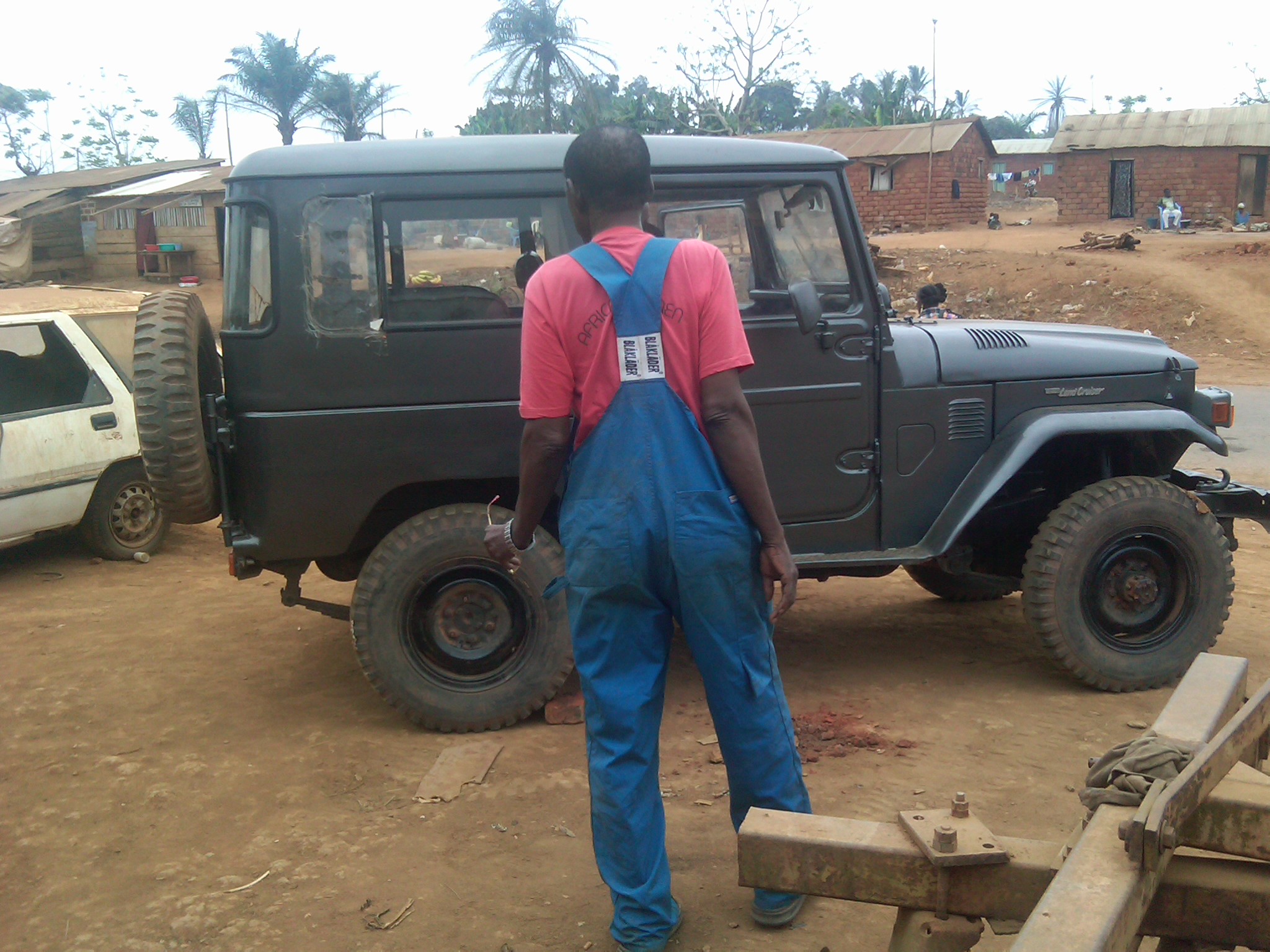
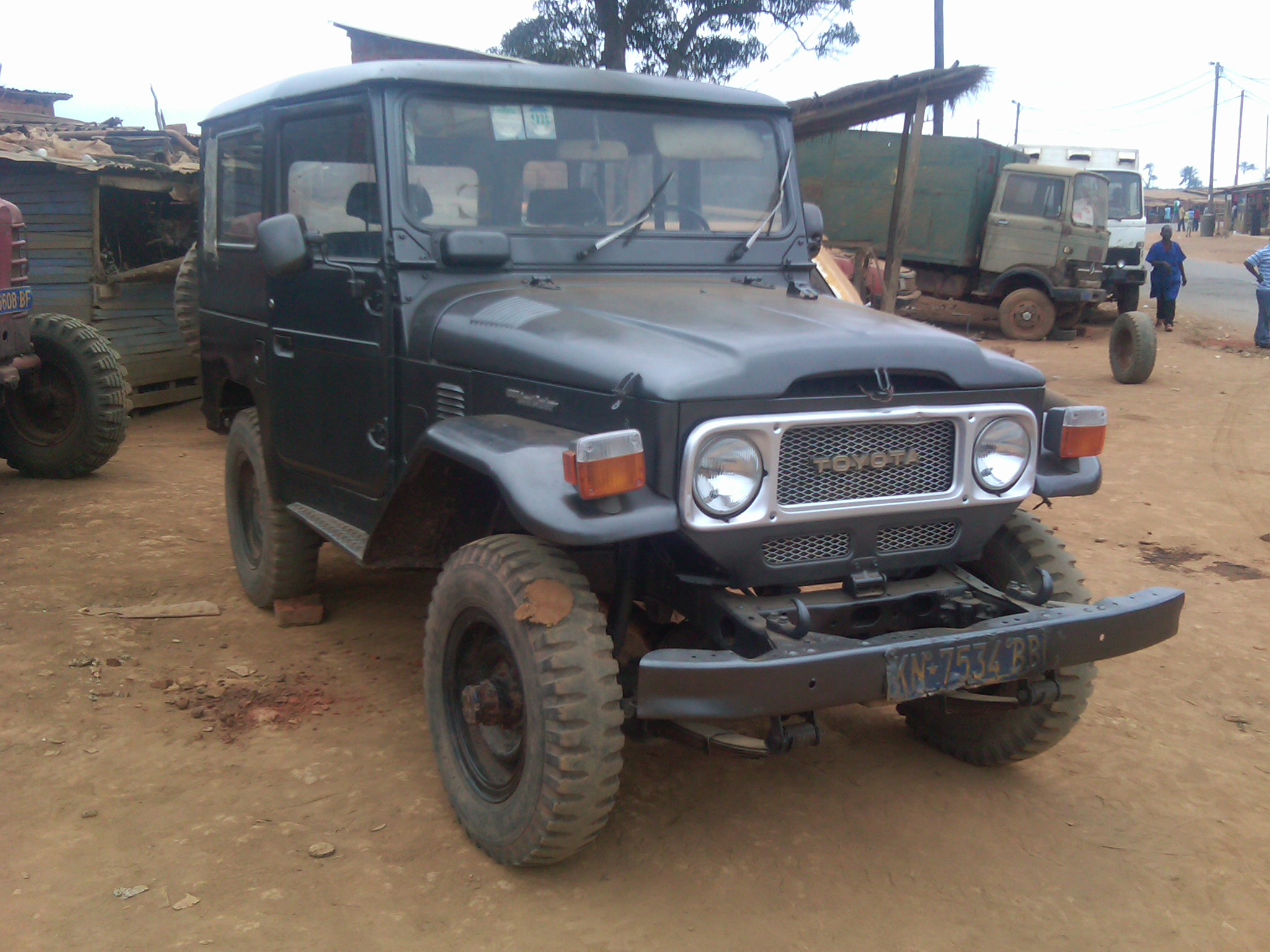
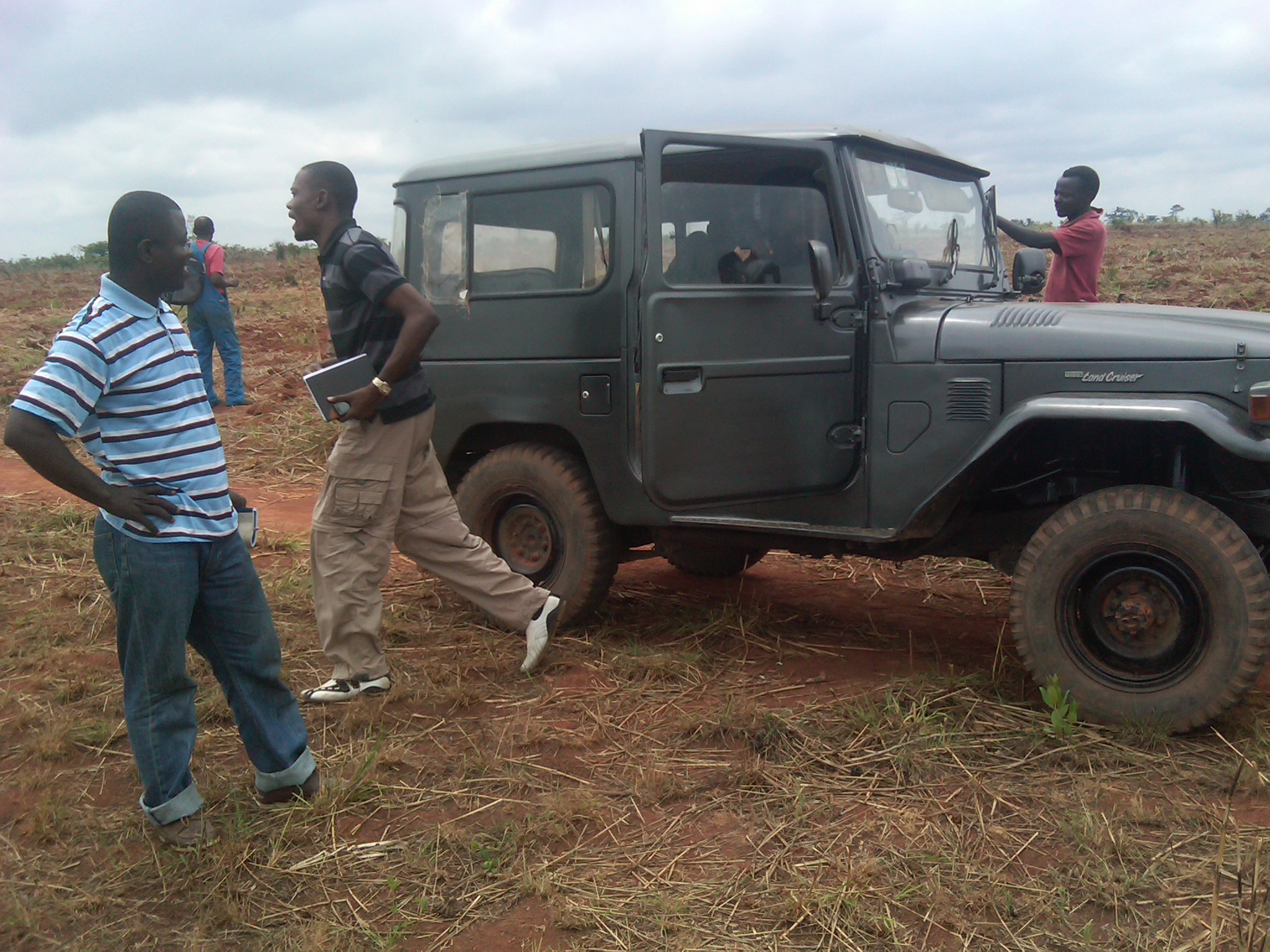
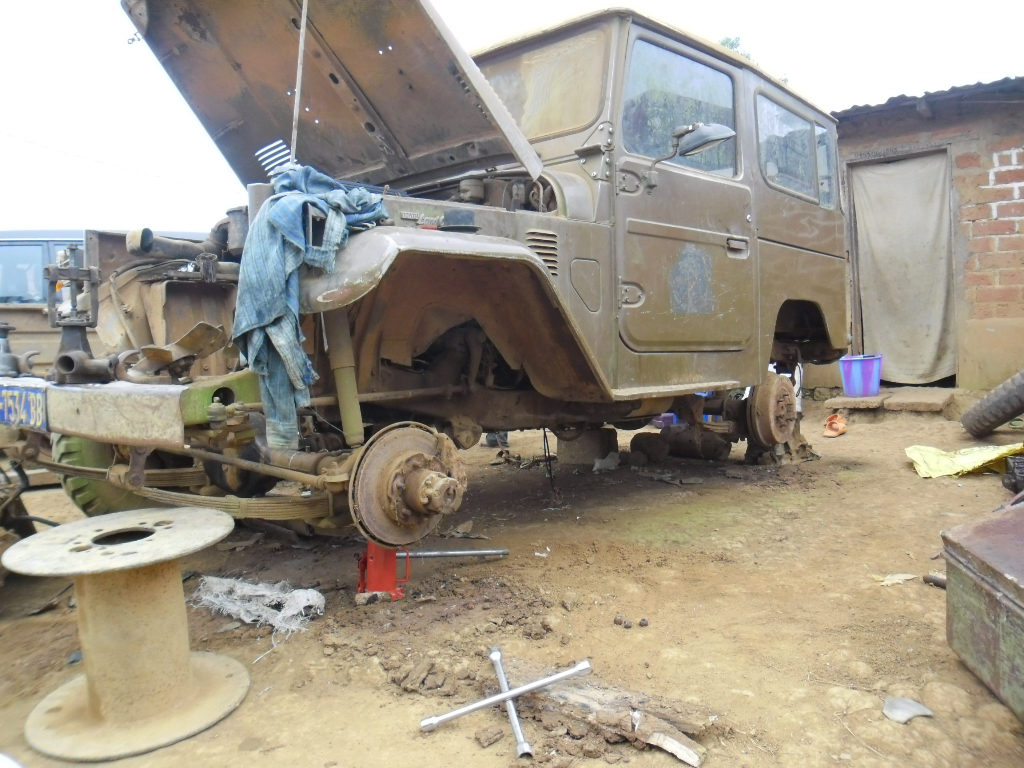
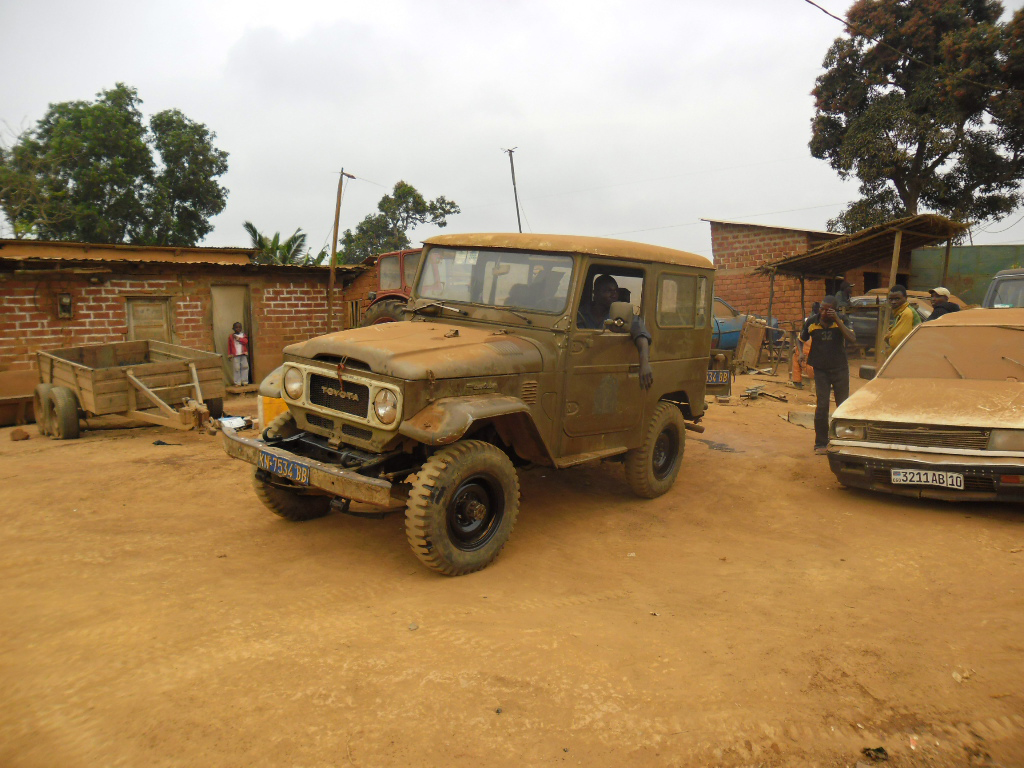
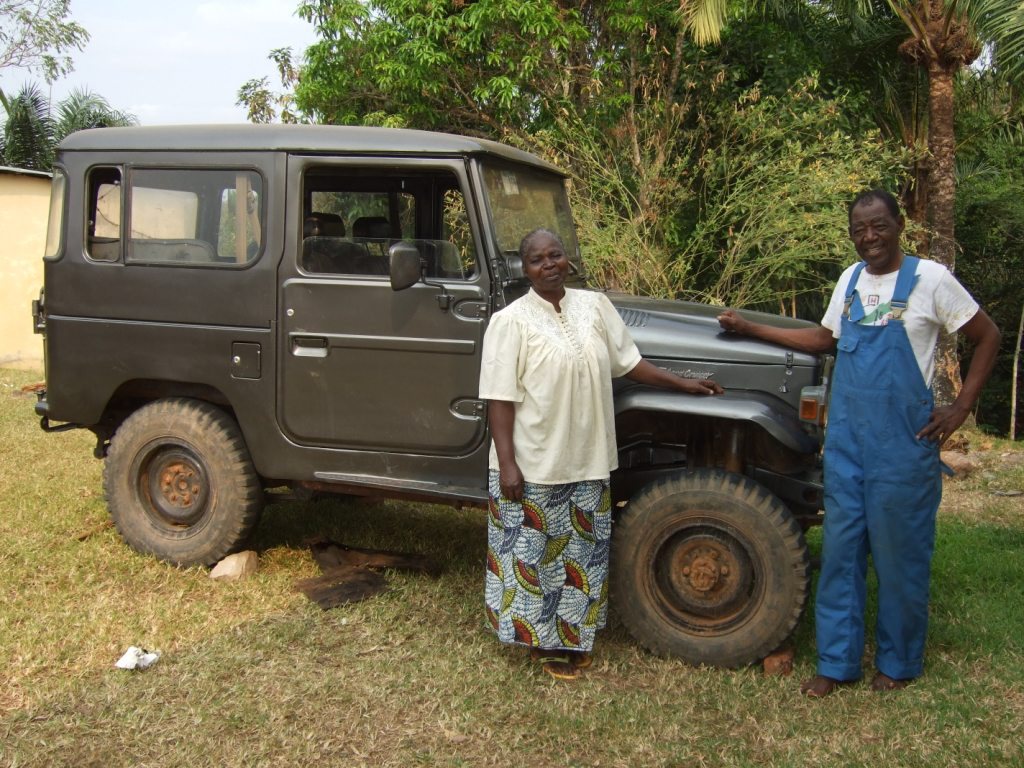
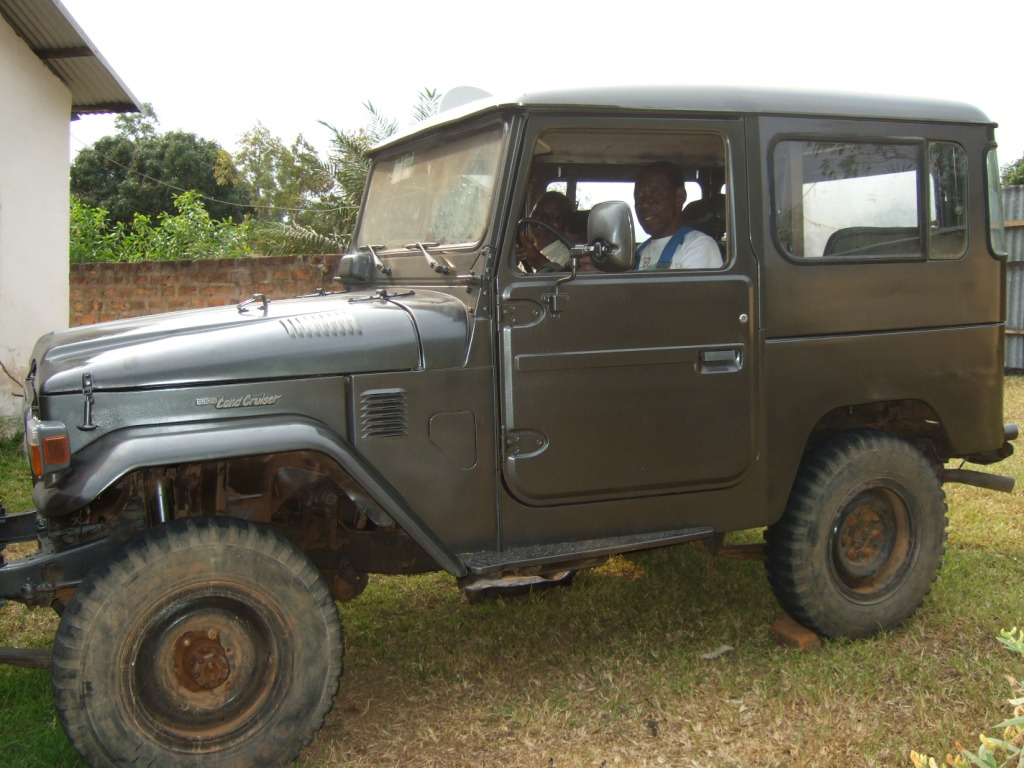
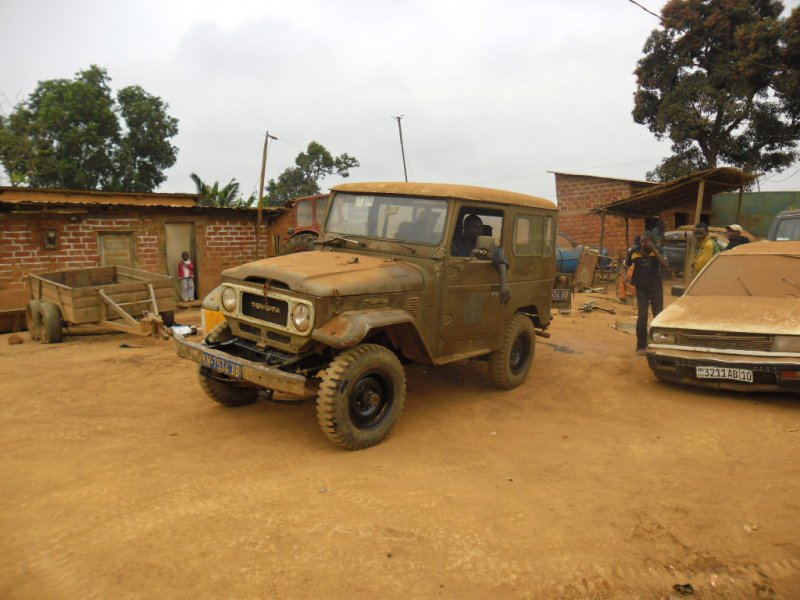
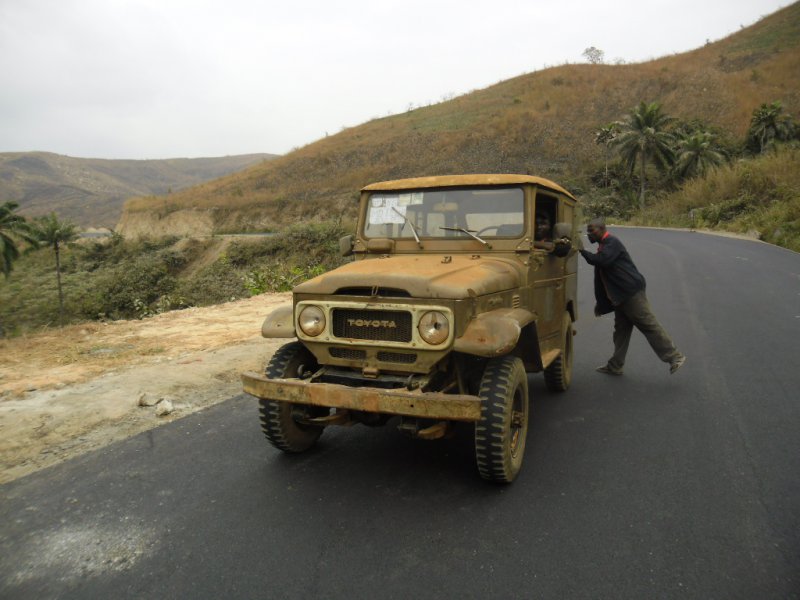
 Today we arrived to Nsanda with our well-repaired jeep that is also newly painted. There was no one who recognized the car when we arrived. Many admired the jeep when they saw it parked in front of our house, which has also become a parking for many cars. The Jeep was mostly a scrap heap that had been standing in front of the house for many years.
We have gone to Matadi in the evening for two days to participate in a lecture on my work as the first female pastor in the Church of Christ in the Democratic Republic of Congo.
After the lecture, we will return to Nsanda to peal peanuts and ensure that soya beans and cassava stems will come on time to us.
Unfortunately, our house is very dirty but we can not do anything about it, we can not afford to repair now.
How are you doing yourselves? Please write a line. Go to the contact page, there is my address.
Greetings from Julienne and Clement Nyambudi
Hello my name is Simon
 I came to Sweden last fall and I’m from Matadi in the Congo. I’m a member of the Baobab Church. The trip to Sweden was a bit dramatic, I broke my arm. It was good pretty fast with a bit of Karlsson’s glue and some bandages. Residence permit, I got instantly and I live in Hökerum.
Last winter I got the assignment to be on a show in the Mission Church in Hökerum. I watched it day and night. I had my gun in my left hand and my machete in the belt. They were with me to give some respect, very good, and made of ebony.
One day a thief came to the church. He took both my gun and the machete from me. I had no chance to stop the thief, my arms are a bit stiff and my eyes cannot see everything. Now my tools are lost. Those things which are so important for my confidence and my livelihood.
I wonder why we Africans and Congolese are always robbed of our assets. This has been going on for 500 years and continues to this very day. It began with slaves, went on with rubber, ivory, hardwood, and today it is other nature resources. We are the third richest country in the world of minerals and today it is coltan, the black gold, which everyone needs for their mobile phones and computers. 80% of the world’s need of coltan comes from Democratic Republic of the Congo. Much of this is stolen and shipped to our neighbour who then sells it to Europe, America and Asia.
Could it be that so you have stolen goods in your pockets or on your desk?
I will try to do without my tools but I would love to have them back. Then I would not have to ask for help. If the Congo could be compensated for everything that has been stolen, no Congolese would be asking for any help. I have been limited and much poorer since I was robbed.
Now I ask you. Would you like to help me to find my tools? And would you help the people of the DRC so they get a better life? We live in a rich country but we do not have tools that allow us to transform the country’s wealth to the welfare of the people.
Would you like to work for the robbing not to continue? Then everything could get much better in the Congo. Please contact us and come up with ideas.
Best regards Simon
Mail from Tutondele Nyambudi
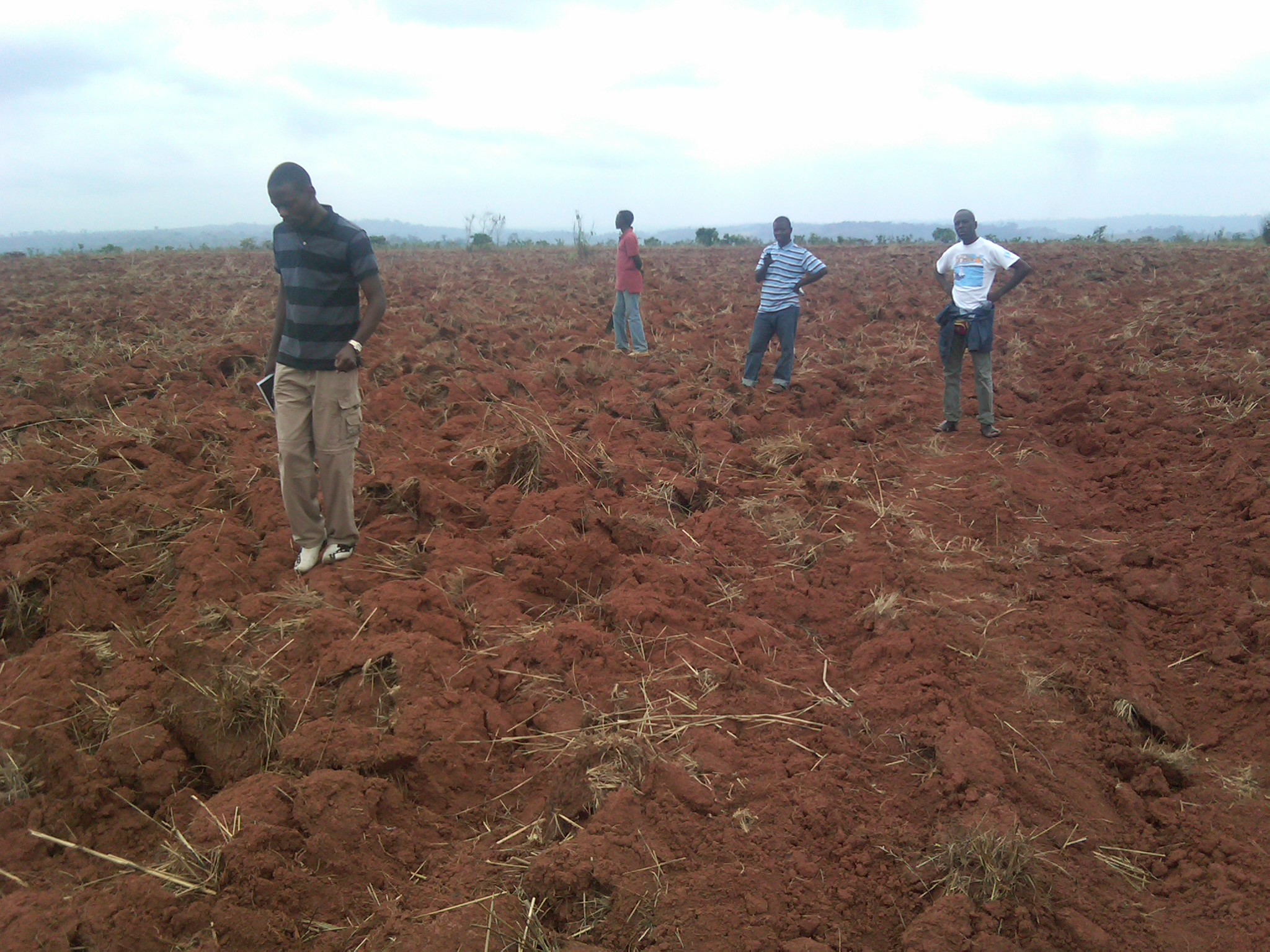
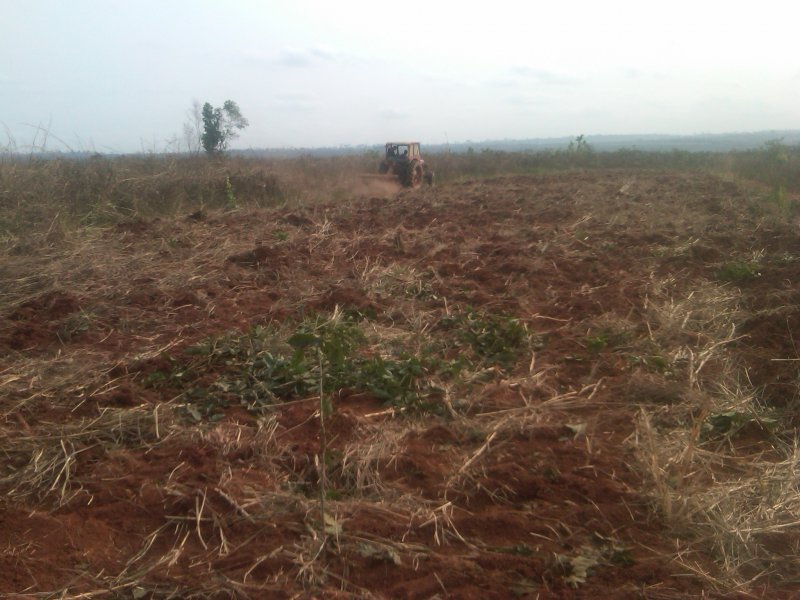
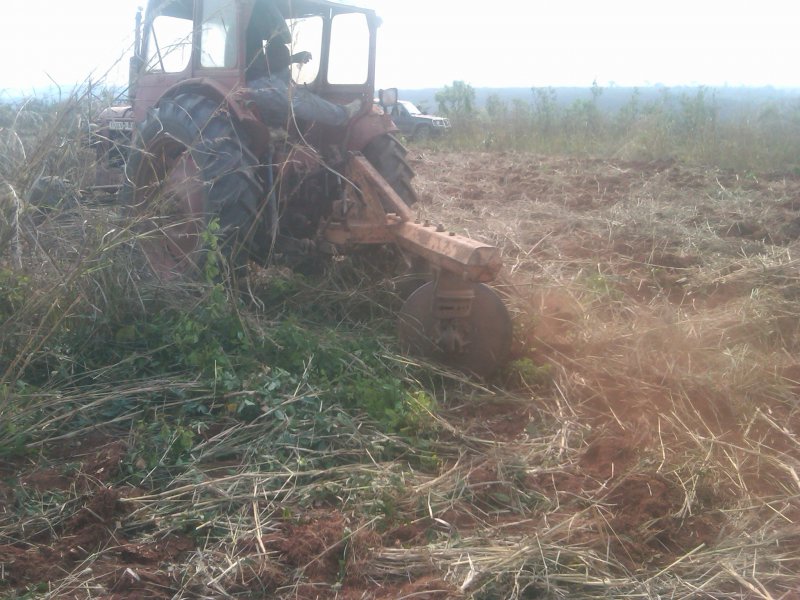
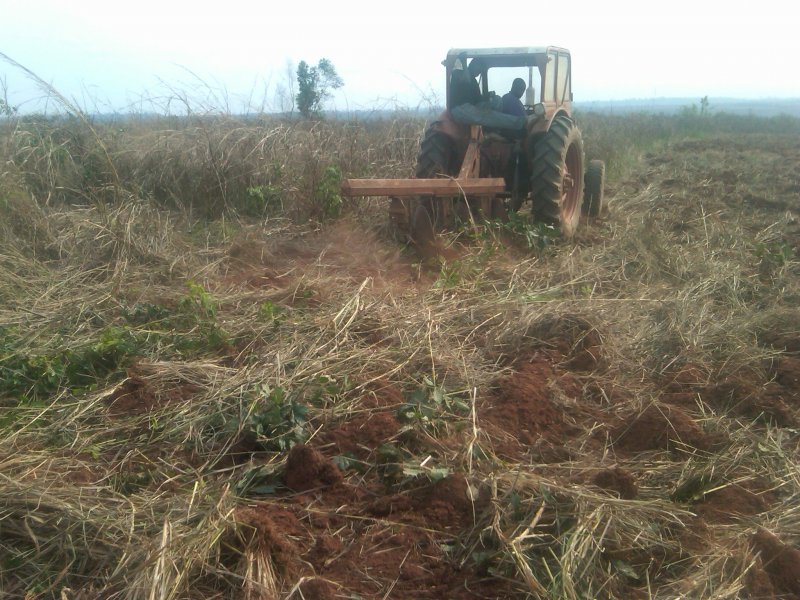
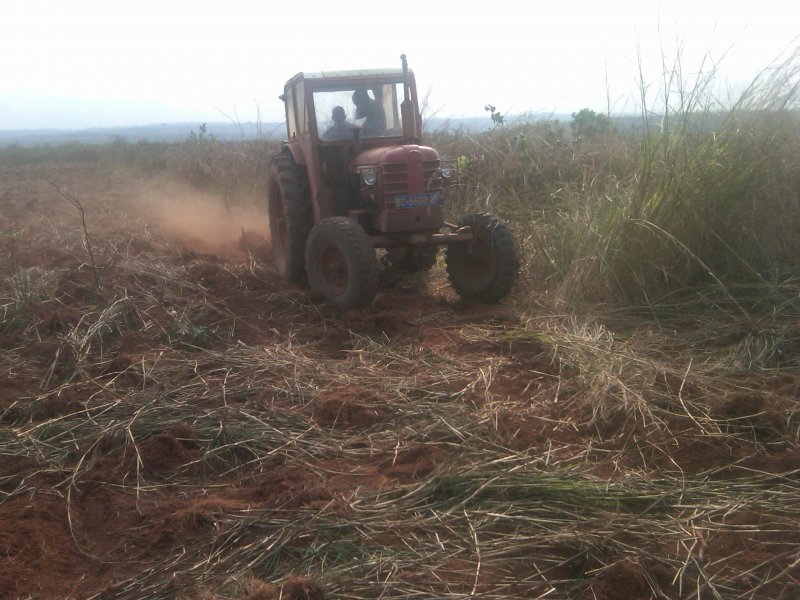
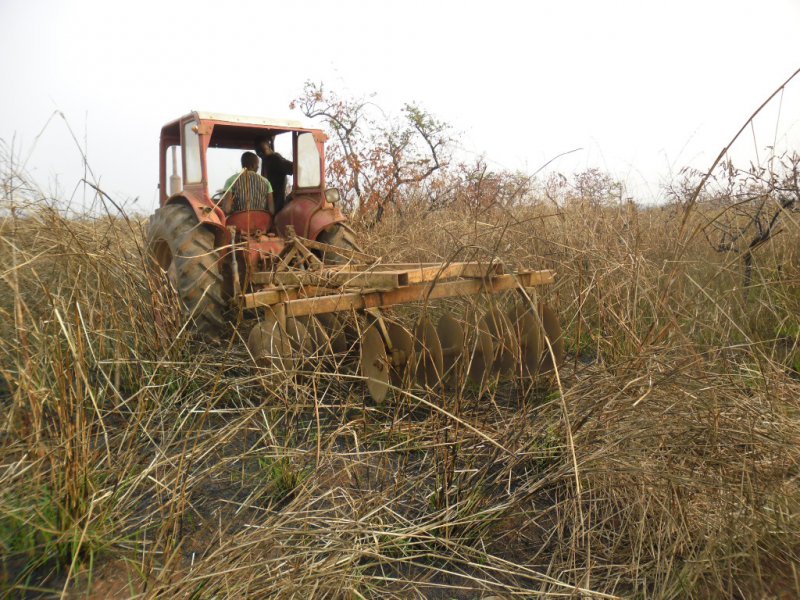
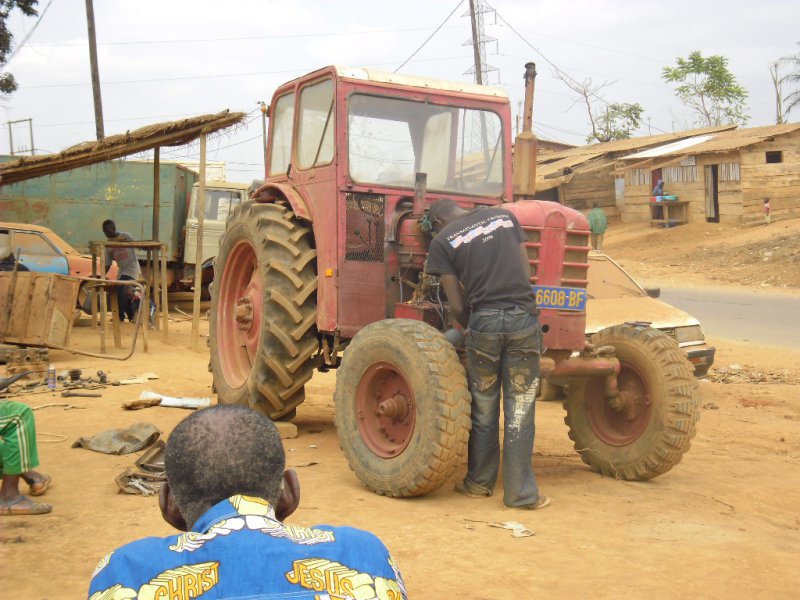
 I am very pleased to inform you that we finished ploughing yesterday afternoon at 6 pm We managed to overcome many technical problems on the tractor, the hub of rim on a rear wheel came off. We had to weld it, a hydraulic rod went off, we welded that also. We also had other technical problems but we solved them with determination and it paid off. I thank God that we could solve all the problems. We have worked as a machine for a fortnight and we have ploughed 10 hectare and we are now awaiting the first rains to harrow the fields. I will send more pictures from Kimpese there are good internet connection. It is impossible to photograph all the fields because they are so big. You should see all the fields by aerial photography. This morning we did some finishing work. In the afternoon we travel to Kimpese where we stay overnight and then continue on Tuesday to Kinshasa.
Many greetings from Clement and Tuto
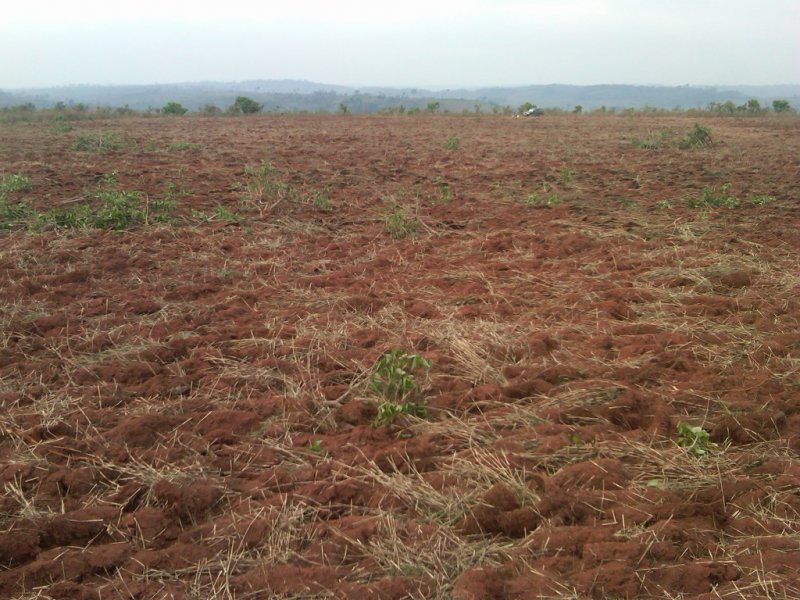
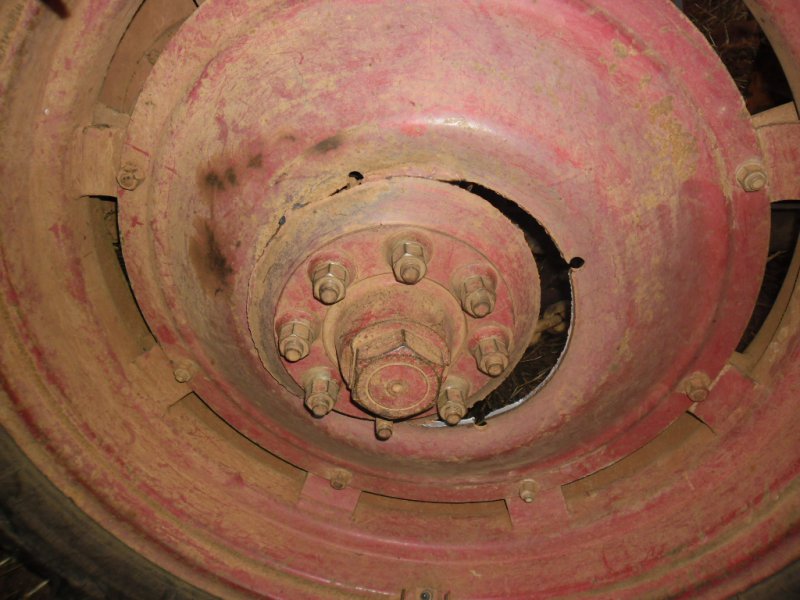
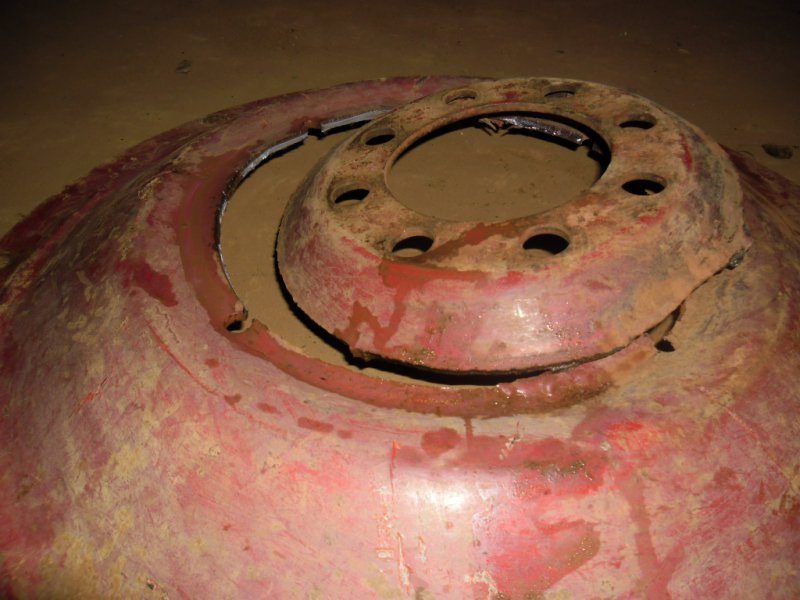
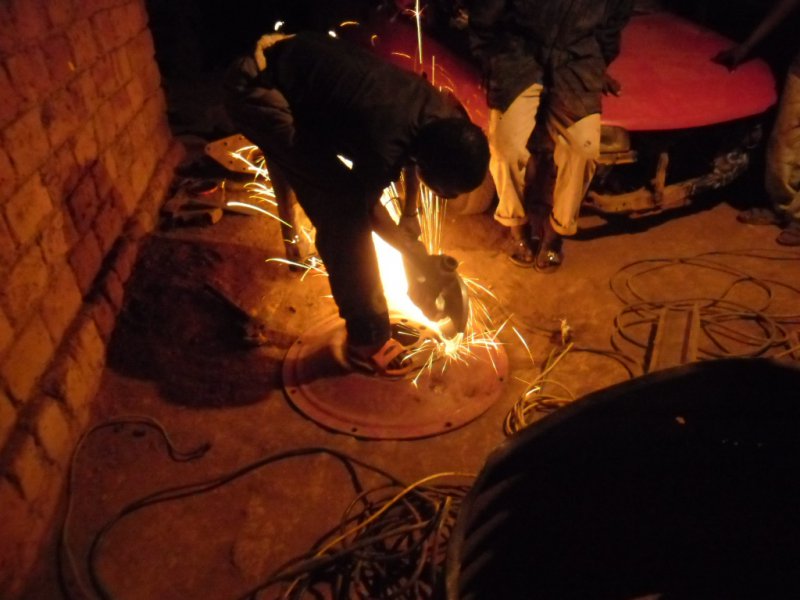
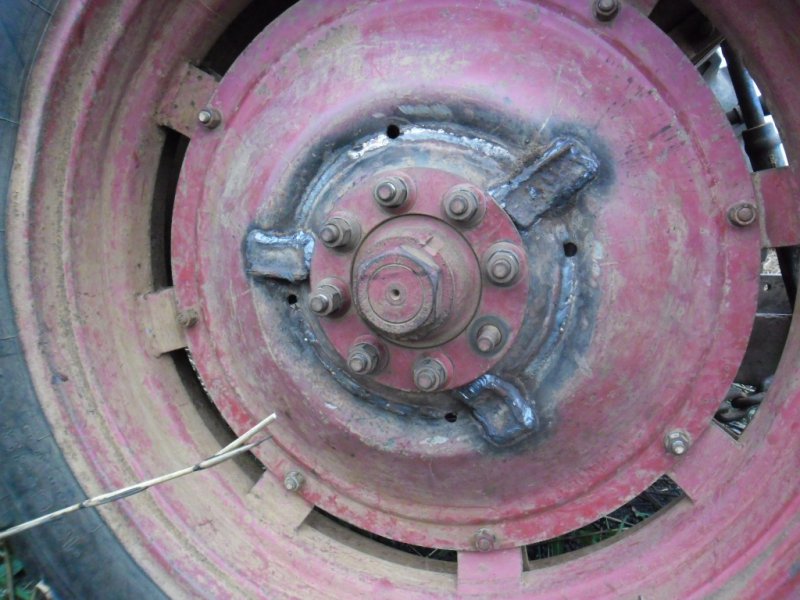
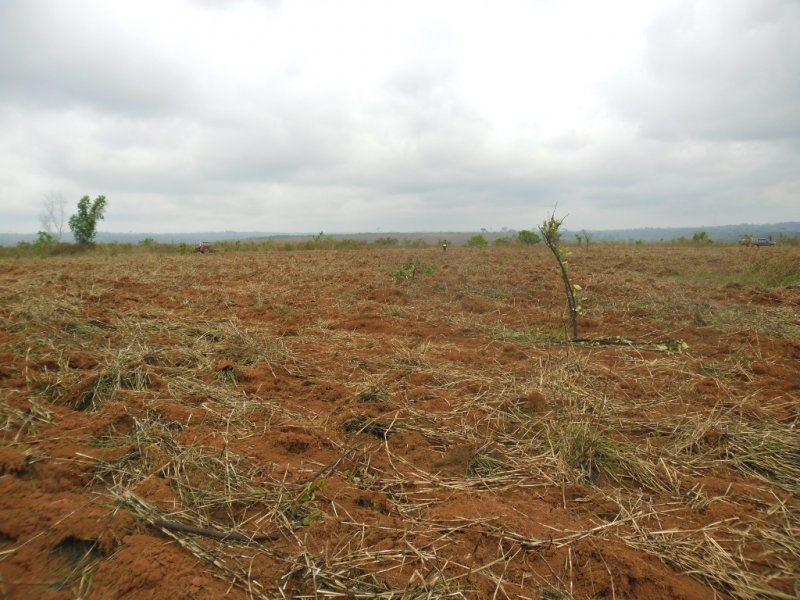
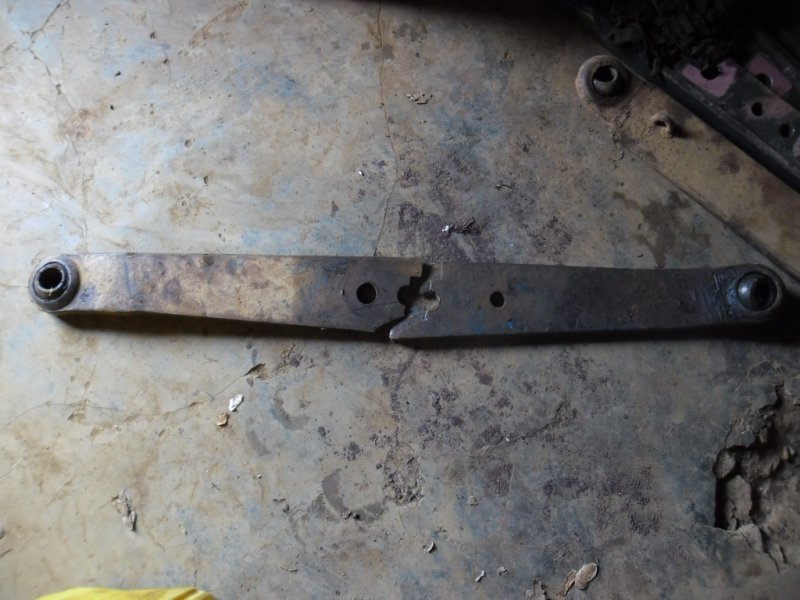
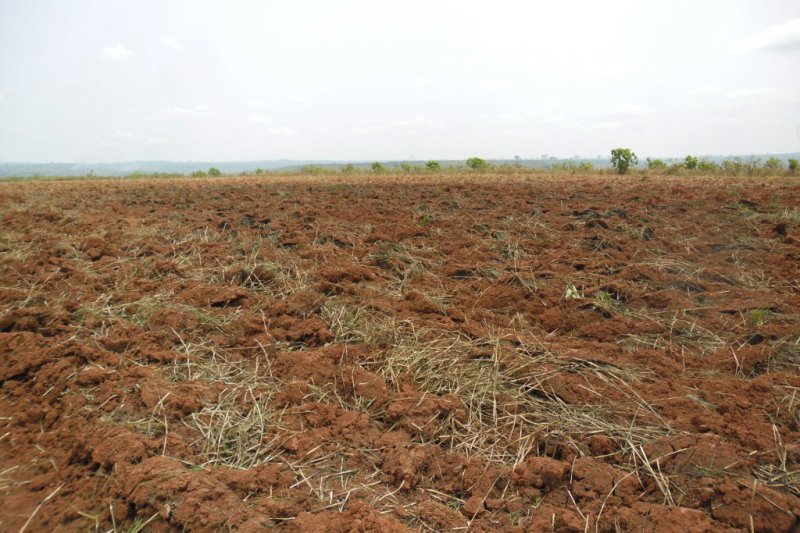
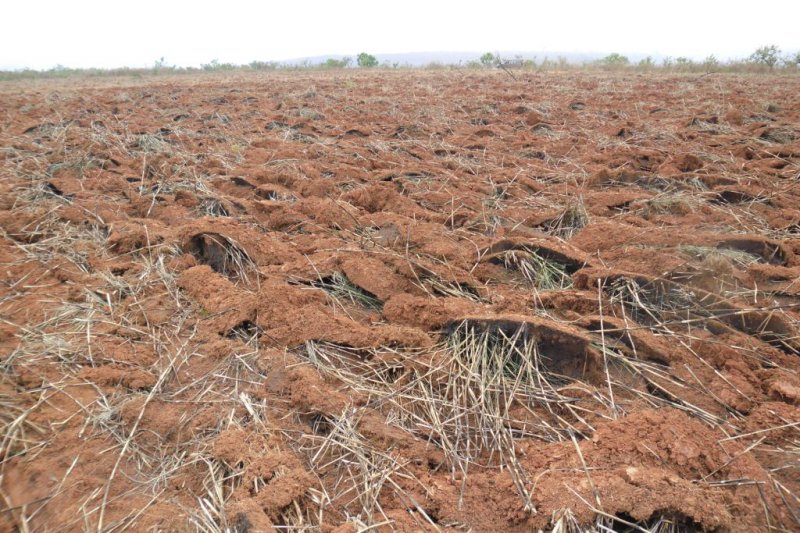
Ploughing going on in Nsanda
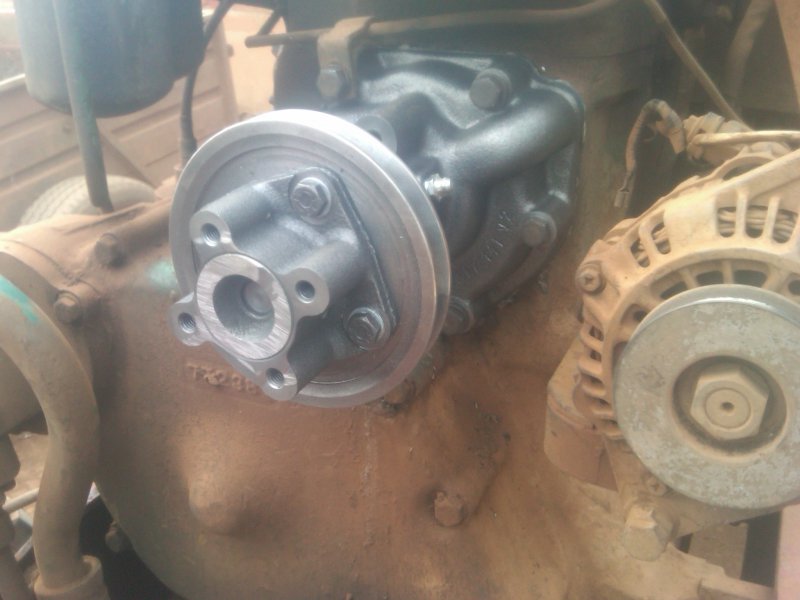
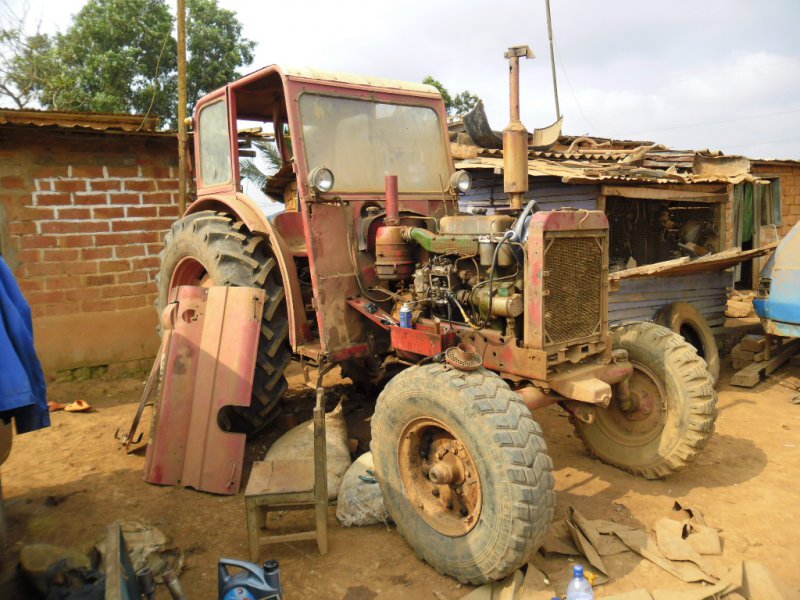
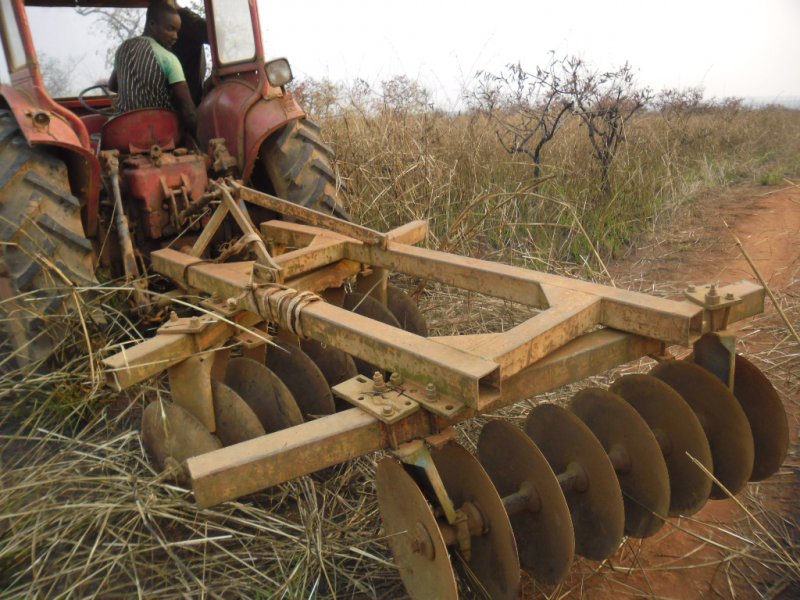
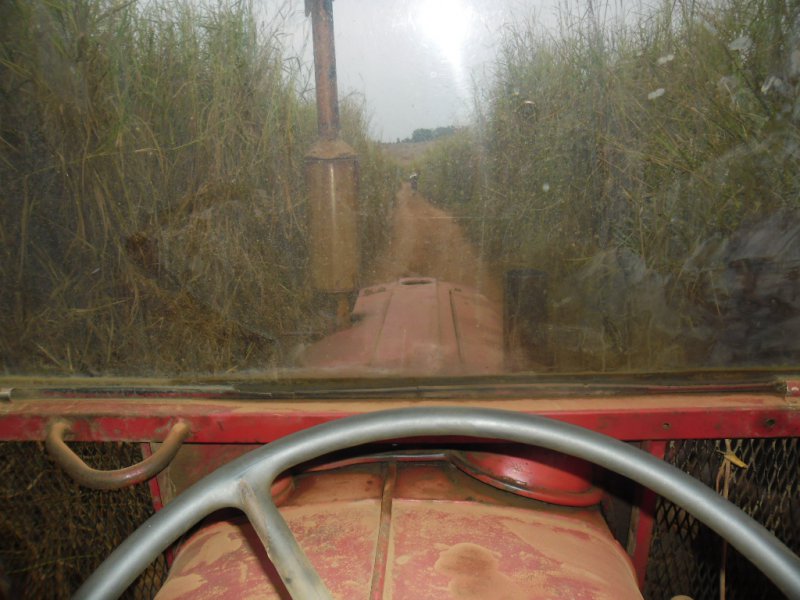
 On Monday Tuto and Clement went from Kinshasa to Nsanda, son and father. On Tuesday, the water pump was mounted on the tractor. The assembly went well of the new pump that we got from Ljung’s Tractor Service was just fine, no more water leakage of cooling water. The ploughing started on Wednesday and they use a three disc plough. A tractor driver from Nsanda helps with plowing. Elephant grass is about two meters high bolted to the ground and was ploughed down. I’ve talked to Tuto almost every day since they came to Nsanda. He says that everything is working well. This Saturday evening, he was very tired. They have worked day and night. They will stay forward to Wednesday, he believed. Until tonight, they had ploughed three hectare and expect to ploughing and prepare the ground for sowing the same amount to. Now it’s a month to sowing.
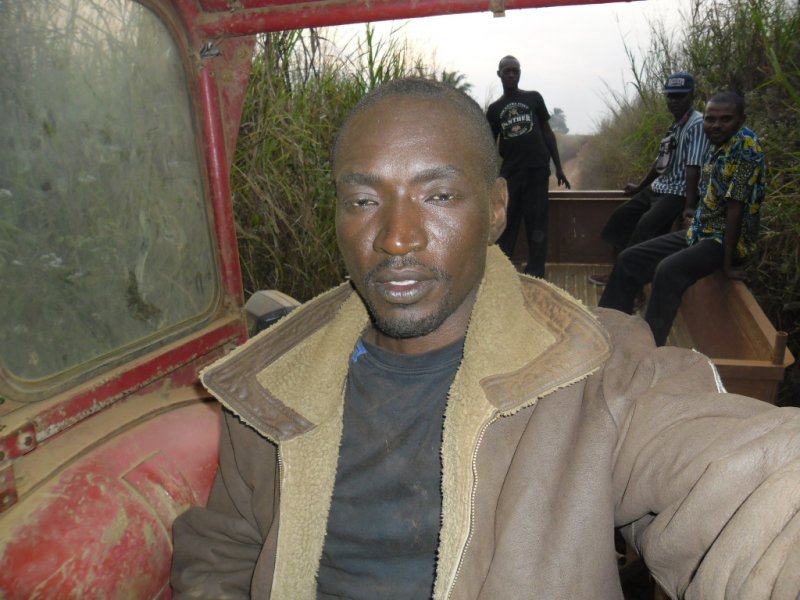
Preparations are underway for Nsanda
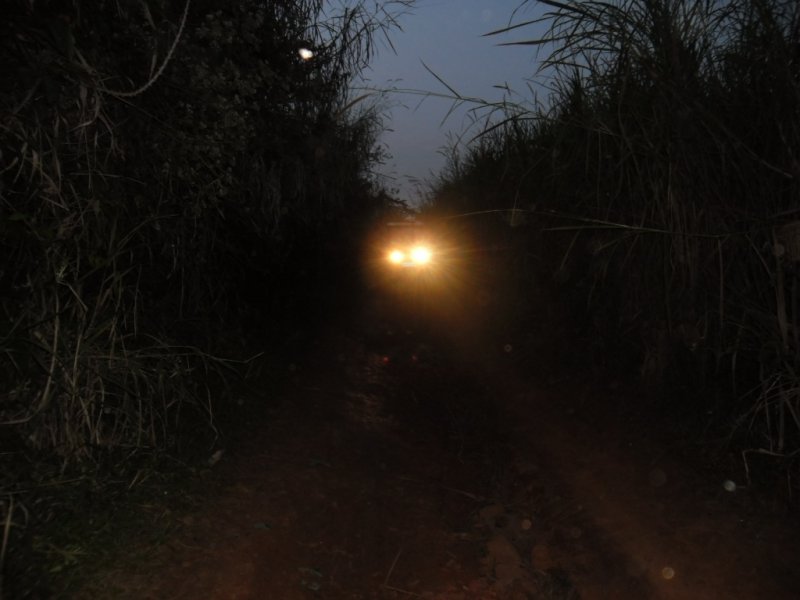
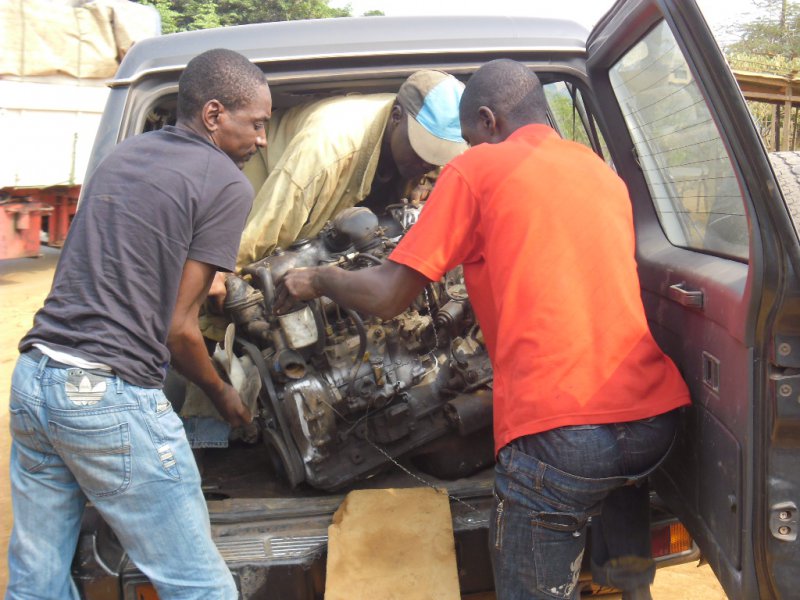
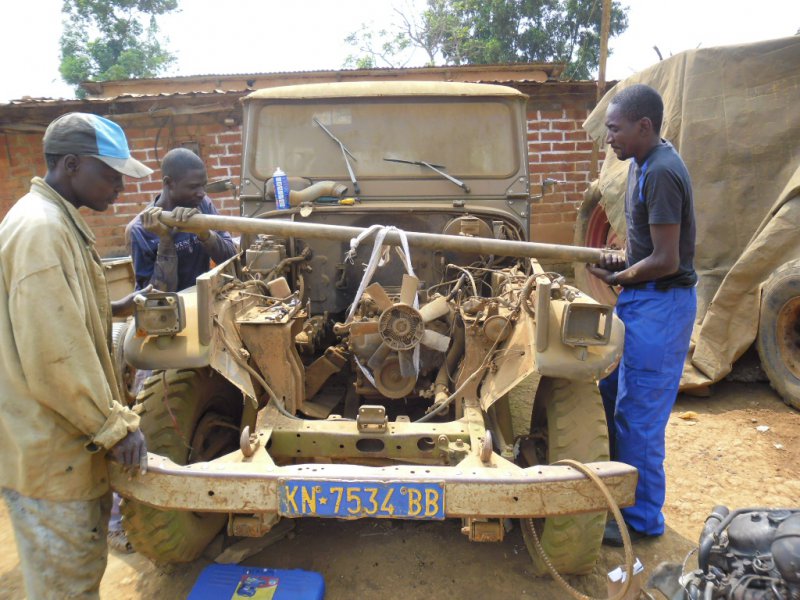
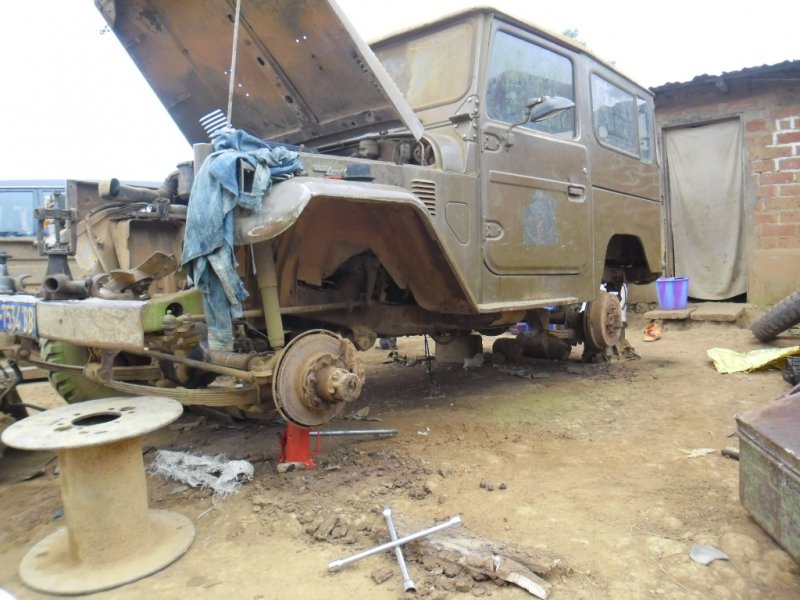
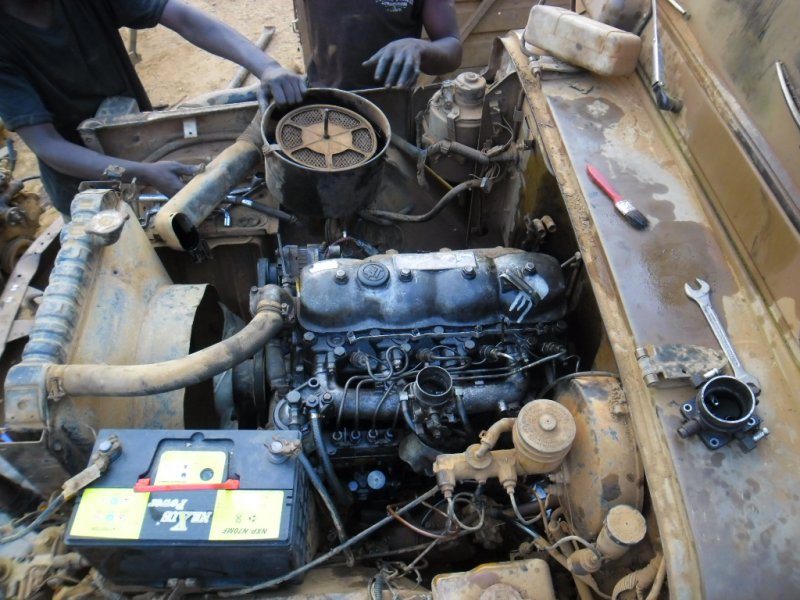
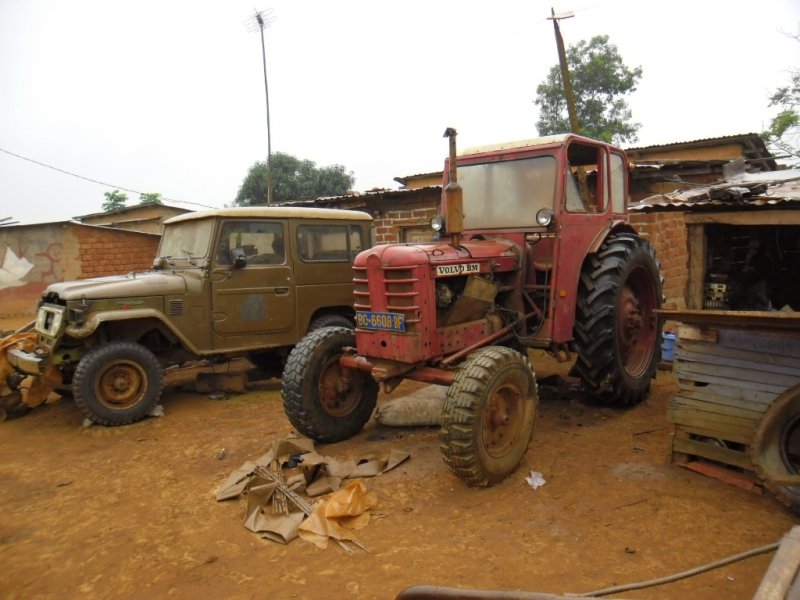
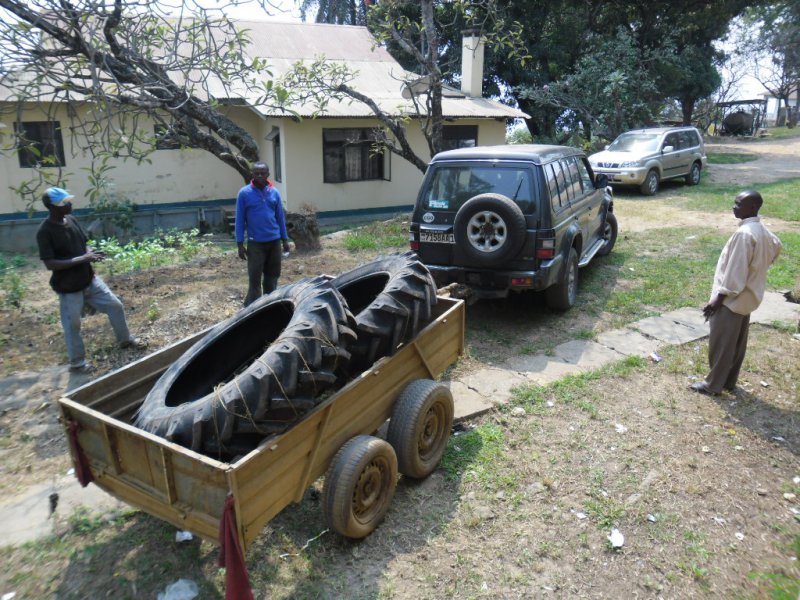
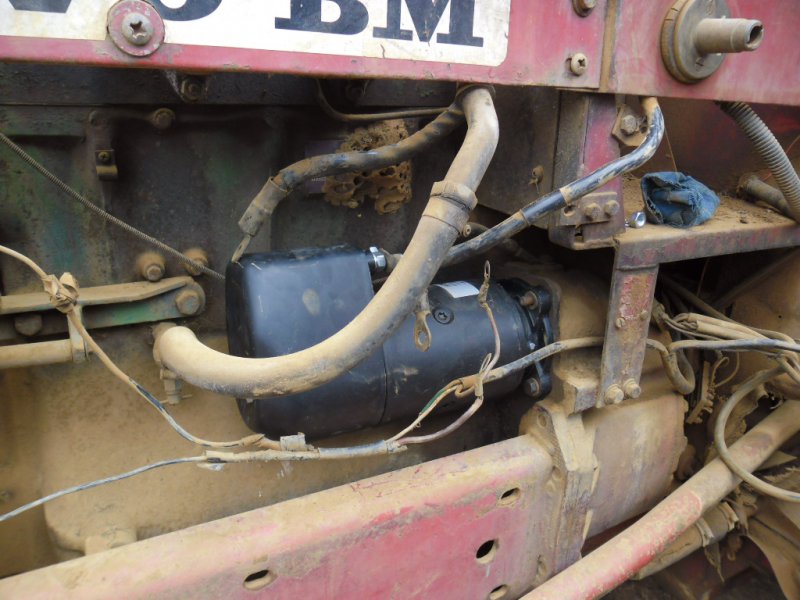
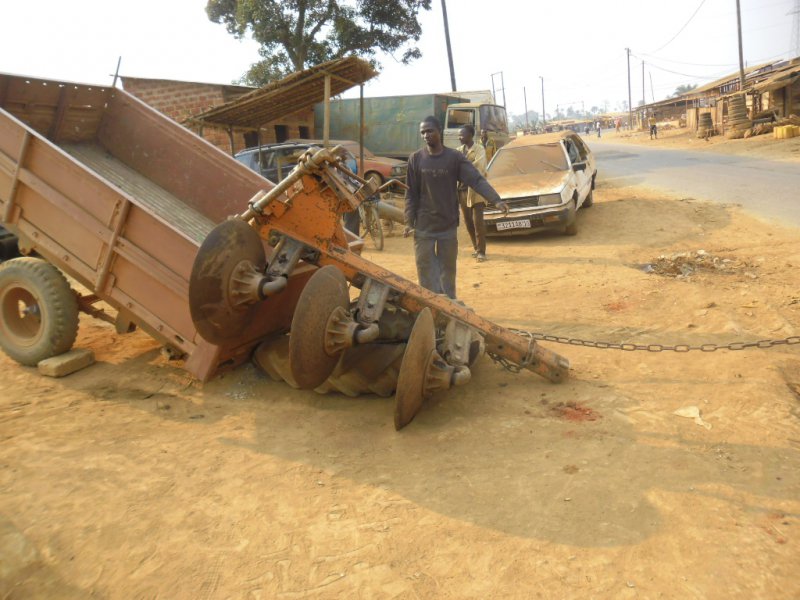
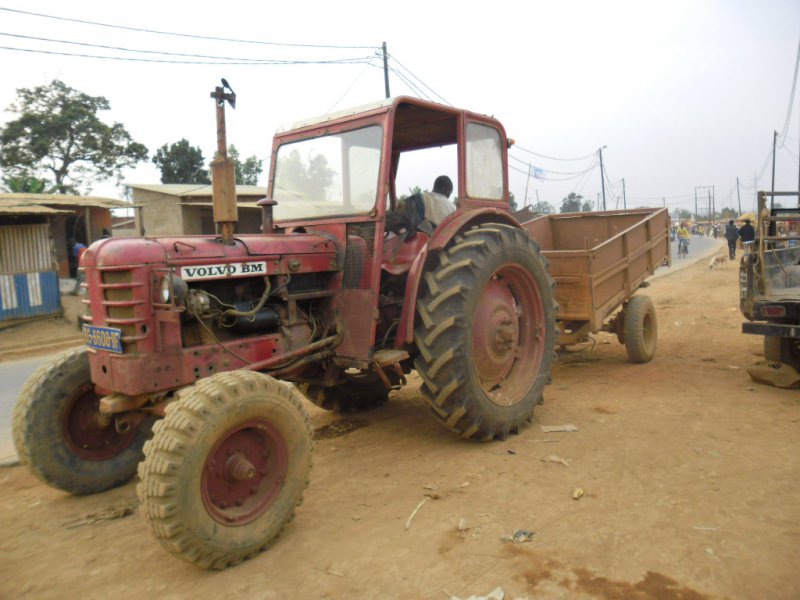
 In July Tutondele worked with repairing the Toyota jeep and the tractor. An new-old diesel engine was mounted in the jeep, tires and a number other parts had to be replaced. Later it will be repainted and become navy blue. When most of it was done Tuto took the jeep for a test drive and drove more than 200 km to Luozi. It worked well the whole way. The Jeep is necessary for passenger and goods transports. There is also a trailer for the jeep. The tractor, BM Volvo 350, has got a new start engine, new battery and new tires plus a general review of the filter and oil changes. They were out to the fields and test drove with a disc harrow. Everything seemed to work. The water pump on the engine also needs to be replaced, it leaks. The pump is now heading to Brazzaville where Tuto will get it at the end of the week. When Tuto gets the pump, he will be travelling to Nsanda and mount it. Then the preparations with the plowing and harrowing will begin.
Back to Sweden
 We had a good night´s sleep in Kimpese, and well rested we got up at 7 am. Time to say farewell approached. Breakfast was booked for 7.30, and we planned to leave for Kinshasa by 8 am. But we didn´t get going until 9 am. In Kongo there´s always time and you´re never chased by the clock. Emy and his son David joined us for the trip to Kinshasa and we got the opportunity to share ideas on how Congo could be developed. Because Emy has so many projects going on and is so openminded, he is easy to talk to. He is not stuck in old ways of thinking, instead he always thinks out of the box. Moreover, we have a common language, English. Among other things, we talked about growing cacao trees. Daniel had told us in Luozi what a profitable crop cacao is. For instance, in Ghana where it is cultivated, an employee can get five years in prison if he steals one cacao fruit. That´s proof of the value of the crop, Daniel asserted. We agreed with Daniel that the cacao tree is an interesting crop. When we mentioned this to Emy, he could talk from experience of having cultivated both cacao and coffee. The cultivation itself works excellently in Congo; the problem is to sell the harvest. There are too many corrupt middlemen who claim ”their” share. That had thrown a spanner into the works for Emy. But if we could get rid of the spanner, cultivating cacao could mean welfare for many Congolese. Like this, we shared experiences, thoughts and visions on the way to Kinshasa. It was instructive.
David, 26 years, recently finished his agronomist education. This was the first time we met him, and he seems to be a man with a sound outlook on things, well aware of what it takes to create welfare in Congo. I would like to make use of your experience and take it further, Daniel said.
There are vast areas of land that nobody cultivates, and according to information we have received much of this land is arable. Right now, only grass and bushes are growing there. Many family farms could be set up on the land. Together with experienced Congolese, we will look into the possibility of breaking new soil.
In Kinshasa we had a booked meeting at the Nzo Binati with Ngoma Nsuni, the head of the fruit factory project in Luozi, and the chemist Ngalamulume. We were supposed to meet them at noon. We didn´t arrive until 1 pm, an hour late, but the Congolese hadn´t come either. A quarter of an hour later, Ngoma showed up and another fifteen minutes later the chemist Ngalamulume came. The meeting had to be concentrated and lasted for half an hour. We talked about the plans until November, and we exchanged some thoughts. Emy translated. Ngalamulume was a new acquaintance. He is a likable man and we can communicate with him in English. We exchanged addresses for further contacts. Then we went to the Air Brussels office in town to check in before 4 pm when they closed. Matthieu accompanied us, he knows the routines by heart. Everything went well. After that, we went to the L’Odina Guest House where Yapeco would spend the night before picking up goods for his shop in Matadi the following day. Yapeco had ordered dinner for the three of us. We shared a chicken, fried bananas and water. The food was enough for Pierre as well. Pierre is the chauffeur of the head of police in Kinshasa, and a policeman himself. He had come to get us and take us to N´djili International Airport in Kinshasa. Driving to the airport we got a puncture on one of the front wheels. We assisted Pierre, and fifteen minutes later we were on our way again.
At 9.10 pm the plane took off from N´djili and 1 hour and 35 minutes later there was a stopover in Douala, Cameroon. The plane had been half full when we left Congo, but new passengers in Cameroon filled it up. An hour later we took off again, and we fell asleep almost immediately. When I woke up I noticed that dinner had been served and consumed, a privilege we missed out on. But that made breakfast taste so much better. As the morning broke I wrote this blog, and little by little we saw the sun rise over the European horizon.
Presents and gifts in return
 The water level of the Congo river is low at the moment, and the ferry staff have to build temporary ramps and temporary roads on the sandbars for the cars to get on the ferry. Today, this has caused many delays. Last evening, we were notified that a truck had got stuck in the sand. It had blocked up the boarding zone, and no vehicles could drive onto the ferry. The truck was carrying 10 metric tons of manioc, and all of it had to be unloaded manually by the riverside. The ferry-service was working again the next morning, and we sent our ambulance jeep on ahead to queue up. At noon, Gunnel drove us to the ferry stop. Our car had been ferried across the river, but the ferry itself had stayed on the other side because of a car that was stuck in the sand on that side. Three hours later, we could go on board and in Kimbemba, Samy was waiting for us. I used the waiting time to take a nap.
When we had got into the jeep, the boys to whom we had given bibles in English came up to the car. They called out our names, ”Bernt” and ”Yngve”, and we were pleasantly surprised to see them. How could they know that we would be in Kimbemba today? We weren’t informed of how, but we guessed they had heard it through the grapevine. They had brought a basket full of papaya and oranges for us. Now we learned their names; Grevis, Muris, Beni and the English teacher Alain. We exchanged a few words, and they expressed that they would like to see us again, next time we come to Congo.
Samy doesn’t hold his fire, he firmly steps on the gas but he is a skilled chauffeur and drives safely. The whole capacity of the Toyota Land Cruiser is certainly put to use. Bernt and I wonder at how it keeps together considering the tough guy driving it and a road that is everything but a road. The car is built for hard circumstances, the engine a six-cylinder diesel. Halfway to Kimpese, we met CEC:s Scania truck. The driver had stopped by the side of the road because of a noise in the engine. He didn’t want to push it any further and had left for Kimpese to get repair help. We talked to his passenger, the person in charge of transports within CEC, who had remained with the vehicle to safeguard it. He was sitting at the roadside making coffee and cooking. We have met him a few times before, and he was pleased when we stopped. A few meters from the roadside, he had made a sleeping place of elephant grass and a few clothes. Yapeco and I tried out the resting place and it was pretty good. I am sure he has to spend quite a few nights by his vehicle. Bernt told him that we have raised money in Sweden for a new engine, and he received this message with gratitude. Stops like these are commonplace along the roads of Congo.
There are just a few small villages along the road between Luozi and Kimpese, but there is also a larger village called Kiasungua. When we got there, there was a brisk trade at the marketplace, a lot of different fruits being marketed. We bought some bananas and Yapeco bought manioc wrapped in palm leaves. Even the animals were on the move; pigs, goats, geese and hens both with and without chickens were crisscrossing the road. One hen couldn´t make up her mind which way to go, and that cost her her life. At least one family will have hen for dinner tonight.
At 7 pm we arrived at the guest house in Kimpese. By then, we had covered 242 bumpy kilometers in the jeep, whereof half the distance today. We had come unscathed and were served a tasty dinner. For desert we had the papaya we got from the boys in Kimbemba. After the meal, it was time for a shower. We were rather red from all the dust. Fortunately, there was both electricity and water in the tap in Kimpese.
50 years of independence
 Before breakfast, Bernt and I went for a morning walk in the beautiful surroundings of Luozi. We said hello to two grazing oxes tethered in the church area. The oxes were of some African breed with enourmous sets of horns. They are used for farm work around Luozi, and in that way they generate money to the church, which is used for the education of evangelists. On our way we also met a dog that lover-of-animals-Bernt tried to make contact with, but as Bernt still don´t know many words in French or Kikongo the dog cold-sholdered him and continued on it´s way. Along the way we also found a 4 wheel drive Ford tractor in poor condition. However, it seemed as if it had hardly been in use before it was abandoned, and maybe it could be put in shape again. One of Congo´s problems is that there are many tractors and other machines that are unusable simply because there are no spare parts. Hardly any service organizations have established themselves in Congo over the years, with a few exceptions. The state recently imported quite a lot of John Deere tractors. The tractors are leased to farmers, who pay by the size of their fields. So, if you want to send a tractor to Congo, it must be a John Deere or a Massey Ferguson so that there are spare parts available for the vehicle.
At 10 am, we came to the Mawanda Church. The service had probably begun around 9 am. As usual, we were seated in the front on plastic chairs. The head of the church, Edi Diafuanakana, introduced us and I got the opportunity to say a few words about MSG. The congregation was celebrating the church´s 50 years of independence. Pastor Edi Diangitukulu spoke about the years between 1881 and 1961, he talked a lot about Sweden and the missionaries that had given their lives for Congo. Because of this, the service became particularly interesting for us Swedes. Pastor Nanitelamio spoke about the period of independence, that is, the last 50 years. The pastor of the congregation, Nzuzi Nsemi, conducted the service. The district head of the church Luviengila talked about the challenges of today´s church and what features of the church that we want to hand over to our children. He said that the Congolese must shoulder the responsibility to form a church that stands on its own feet, a church that attracts people. Then the church can become a force to be reckoned with in the future society of Congo.
The Nyambudis treated us to Sunday dinner. Besides me and Bernt, Gunnel Jönsson and Yapeco were also invited. On the menu, there was chicken, rice and manioc, and for desert we had fruit salad made of papaya, oranges, lemons and bananas. All the fruits except the bananas came from their own garden. They do have a banana tree, but on this occasion it didn´t have any fruits. After dinner, we took a walk in the large garden which has a substantial amount of trees and plants. We picked oranges and lemons, passion fruit and a number of other exotic fruits that I don´t know by name. In the garden, there are 11 beehives, a pigsty and a hen house, but at the moment there are no animals in them.
This afternoon, we also had a meeting with the head of the church, Edi Diafuanakana, and we put forward some ideas and viewpoints. We also talked about the future fruit factory in Luozi, and we booked a new meeting with him in Kinshasa on Wednesday afternoon.
A bumpy experience
 We couldn’t travel any further in Yapeco´s Toyota Jeep. It is too low for the road from Kimpese to Luozi. Instead, we had to hire an Ambulance Jeep at the IME hospital. It was a Toyota Jeep as well, but a larger model called Land Cruiser. We loaded our bags into the car and set off at full speed towards Luozi. We had about 100 kilometers of muddy roads ahead. The road to Luozi is hardly worthy of the name ”road”, it is more like a poorly plowed field. Sometimes it´s like a washboard with a sprinkling of holes the size of bomb craters. It’s the rain that has dug deep trenches in the hills. Sany, our chauffeur, had to parry all these different features of the roadway, and luckily he´s a man with extensive experience of Congolese roads. He didn’t hesitate, but stepped on the gas – sometimes we were doing as much as 80 km/h. As we were sitting on hard seats along the sides of the car, our trip was quite a bumpy one. Regardless, we were in good condition when we arrived to the Congo river and the village Kimbemba.
Last fall, we had to make a stop in this village due to car repairs. The exhaust system had been torn off when we boarded the ferry. The chauffeurs stopped at a school and fixed the car. When they were occupied with repairs, we took the opportunity to make the acquaintance of some of the school children. Three boys approached us and talked to us in English. They wondered if we could get them textbooks in English. At that time, we couldn´t satisfy their desire, but we took some pictures of the boys. Now, we showed that picture to a little boy when we came to the ferry stop, and asked him if he knew them. He said he did, and he ran away to fetch them. A little while later, he came back with two of the boys. The third one in our picture was out on the river fishing. I had bought the New Testament in modern English and written a few words on the inside of the book. The boys got one each in addition to our business card and a pen from Bernt. The messenger also got a NT and a pen. After a while, they came back in the company of their English teacher. Bernt had a small stock of the Gideonite version of the New Testament in English and Swedish. Bernt let the teacher take the entire stock, and he was happy and grateful for the gift. We hope that he and his students may benefit from these presents.
Then we boarded the ferry and had a pleasant ferry ride the 3.5 kilometers across the Congo river. On earlier visits, the water has been full of crocodiles, but today they were none. A number of orange and tangerine sellers were going to and fro. The passengers on the ferry had nothing much to do but to buy and eat the fruit they were offering. Smart sales location! We peeled the oranges the Congolese way. Yapeco had taught me how to do it, you squeeze the orange and suck the juice. The rest of the fruit is thrown away.
We are staying in Gunnel Jönssons semidetached house. Bernt and I have an apartment of our own. Gunnel invited us for dinner. Besides us, the guests were Edi Diafunakana, the Nyambudis and Yapeco. Afterwards we had a meeting with Edi and a group that wants to start a fruit factory in Luozi. We discussed fundamental principles of entrepreneurship and different ideas how to realize the project. We have until November to try to work out a first draft.
Luozi is a beautiful and pleasant place, located on the riverbank. We have no electricity in the house. There are solar cells, but they didn’t want to contribute to the lighting tonight. I am writing these lines in the light of a kerosene lamp. I have a headlight as well, which helps me see a thing or two around me.