Final in Kinshasa

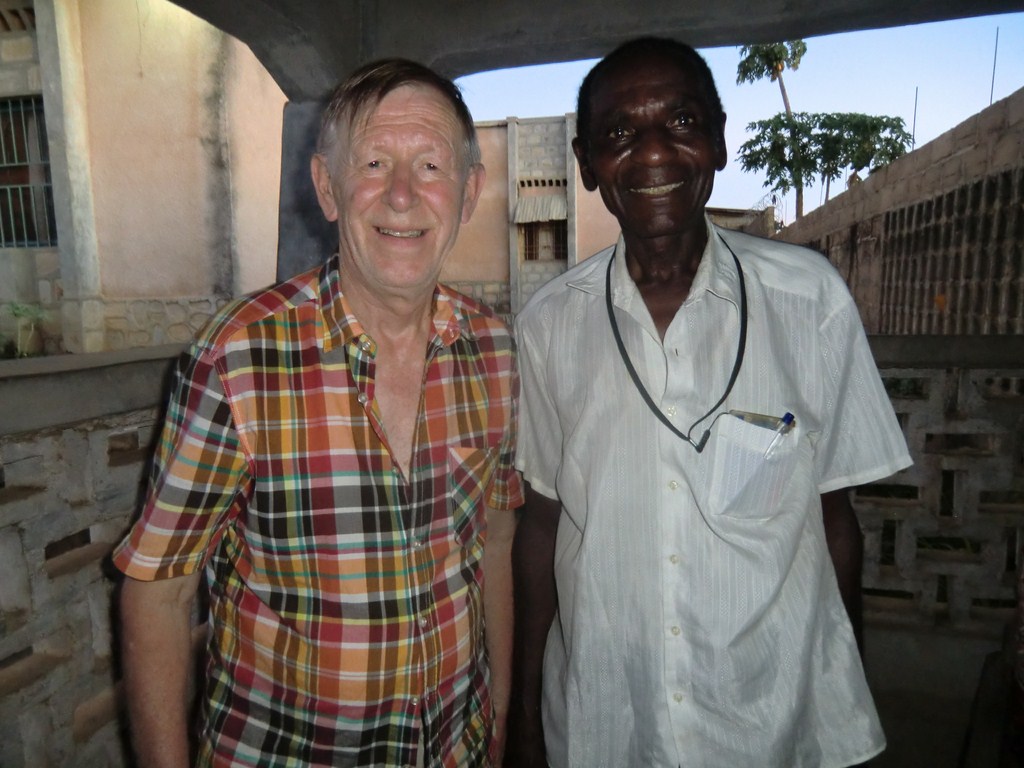
With Yapeco and Julienne outside the Swedish Embassy in Kinshasa

With Yapeco and Julienne outside the Swedish Embassy in Kinshasa

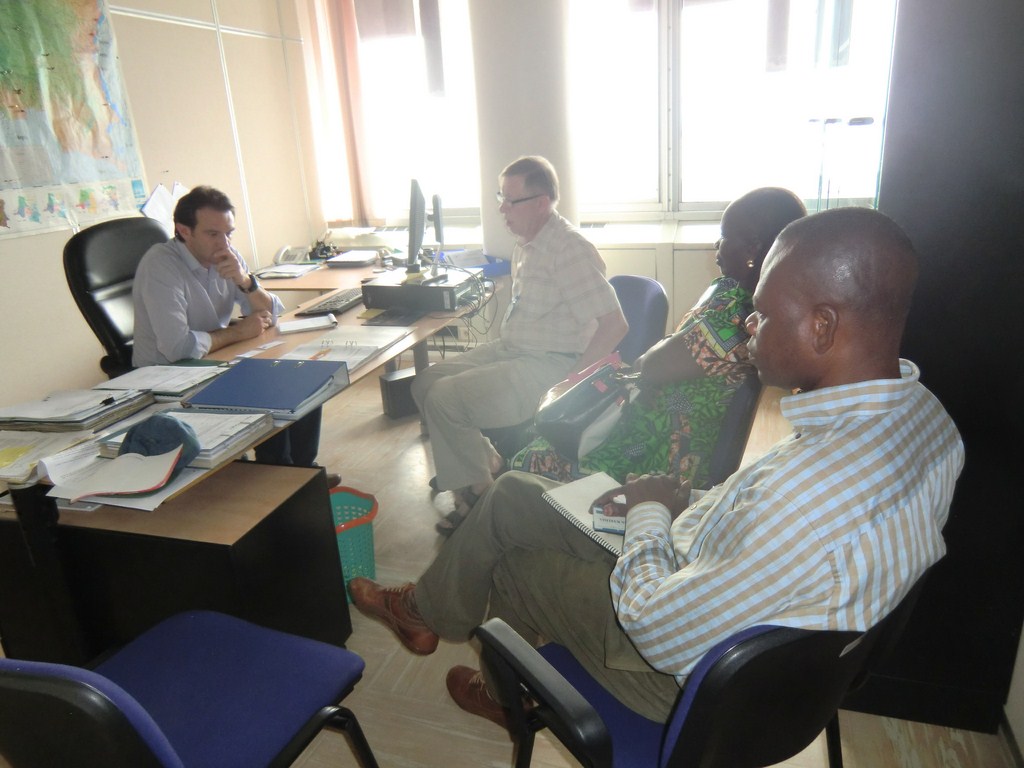
Today we had breakfast at Nzu Binati and the order of the breakfast menu was restored (i.e. we could have porridge again). After breakfast we took a taxi to the Swedish Embassy where we had a meeting with the Counsellor Christina Etzeil. She handles and decides on Swedish aid distribution to the various programs and projects in Congo Kinshasa. On the whole, we had a rich and informative one-hour conversation. We presented the entire spectrum of our activities and gave her a copy of our information binder. The aid money is tightly controlled and the chances of getting benefit of these funds aren’t good, but we will work to get a piece of the cake.

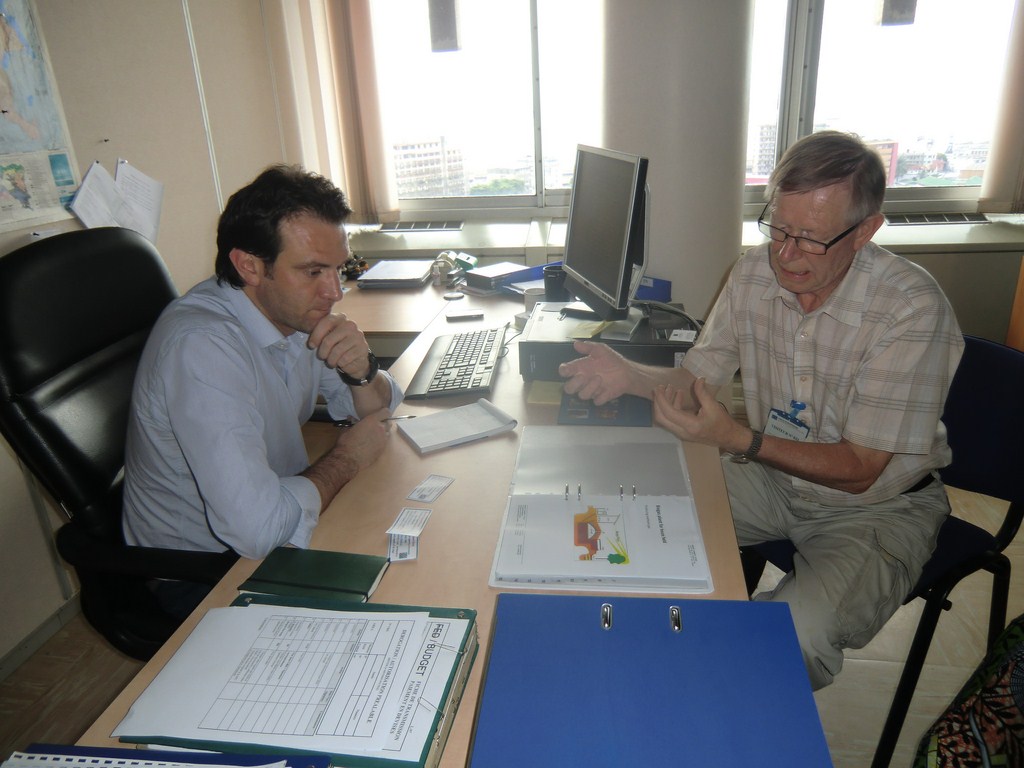
In the afternoon we visited the European Union office in Kinshasa. Before the let us in, we were examined from head to toe. A large number of guards scrutinized both us and our papers. When we had been approved, we were allowed to go to the fourteenth floor where we met officer Mr. Daniele De Bernardi, the person whom we had made an appointment with. He is responsible for EU’s work in the two areas of farming and secure food supply. We gave him the same information that we had given the Swedish Councellor in the morning and left our information binder to him. Daniele was a talkative man and he freely shared information about their current EU projects with budgets from 2 to 8 million EUR. Compared to these projects, we play in another, minor division. Still, the information he can provide is good, and can be even more important in the future. He also described what paths we should go to apply for grants. This was the first step in our contact with the European Union in Congo. The future will tell if we will be eligible for support from their aid system.

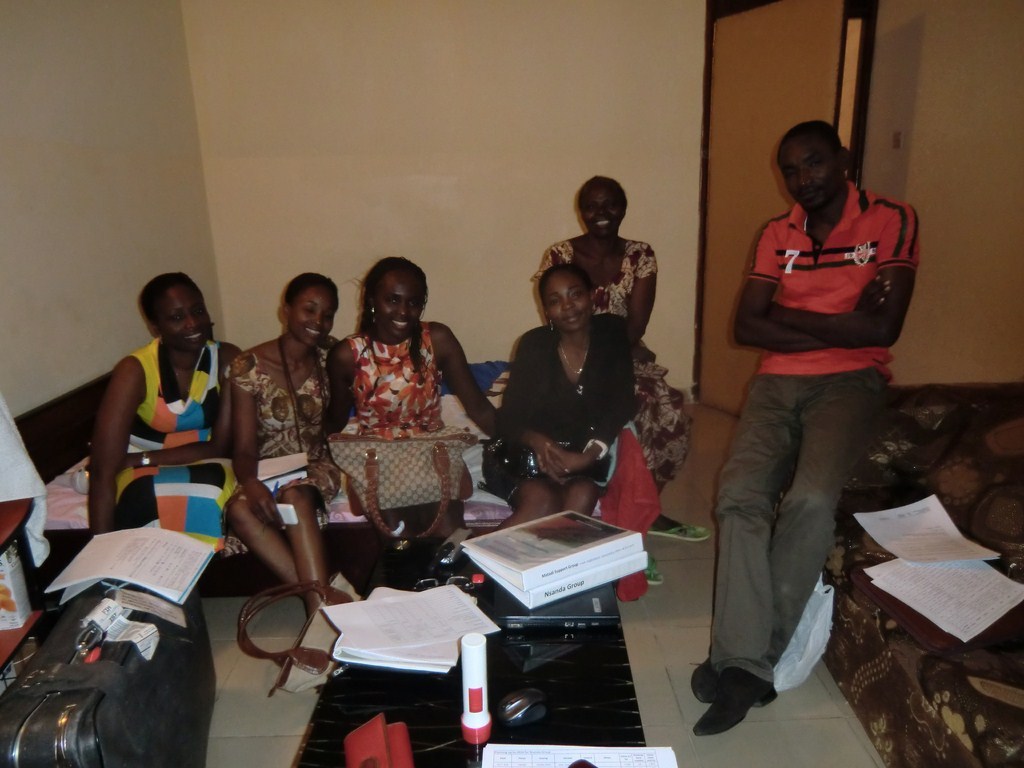
The evening we made a summary of the events of this week and then we had a meeting with Julienne and Yapeco about our joint businesses. We had coffee with juice and baguettes together, and then we said farwell.

Tomorrow we’re off to Brazzaville.
Posted in MSG

Good food, good life

At a bakery in Kinshasa

At a bakery in Kinshasa

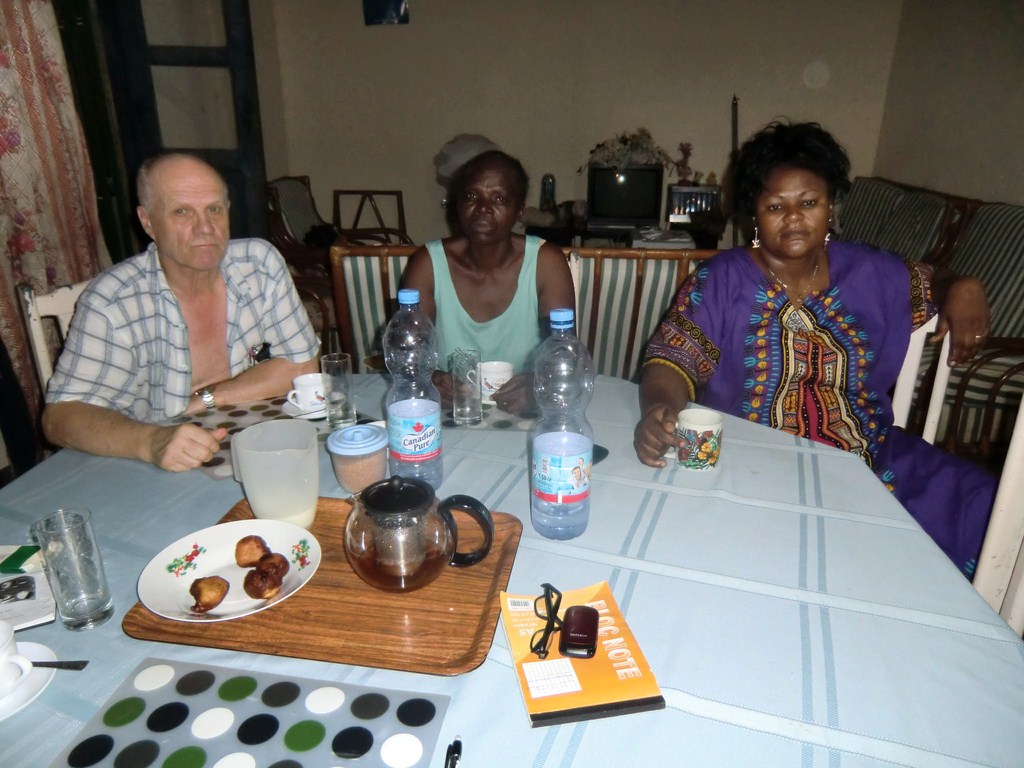
This morning, we had breakfast in the room. We had omelet, bread and tea. The porridge was missing though, not everyone have understood how to lay a good foundation for the challenges of the day.

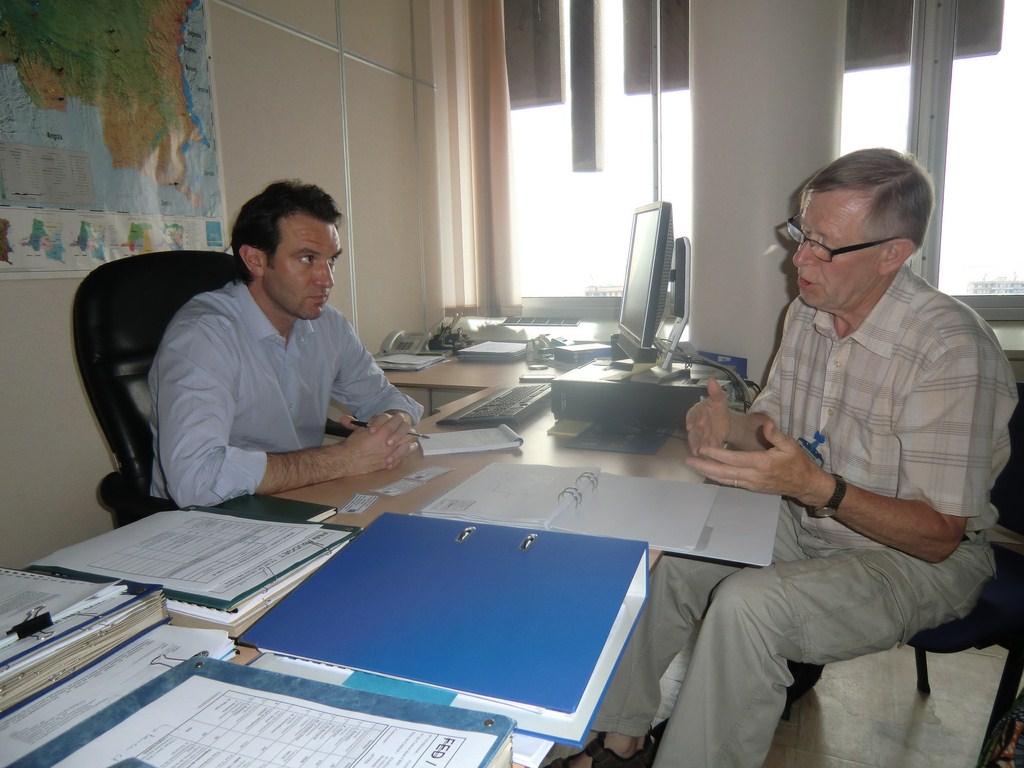
At 10 a.m. Dikens drove us to Nestlé’s offices here in Kinshasa, located in an area where many large corporations and banks reside. The Nestlé company operates in 21 countries in equatorial Africa and the African headquarters are situated in Nairobi. They run a broth factory here in Kinshasa, otherwise they import food products into the country at three major delivery locations, Goma, Bumba Shi and Kinshasa. Dr. Franck Otete received and welcomed us. He works with scientific and legal issues at Nestlé. The company is Swiss work and it works with food production and distribution worldwide. Their slogan is “Good Food, Good Life”. Zola, Juliennes daughter is a business economist at the company, and she arranged the contact.

We presented our organization to Franck and spoke specifically about the juice factory we have designed for Luozi. Three necessary conditions are lacking in the Luozi juice projects, namely one or more investors, identification of sources of raw materials and an electricity supply with sufficient capacity. We had a very nice and pleasant conversation with Franck. He was obviously interested and promised to raise the issue with engineers and business economists in the company. He was also interested in our entrepreneurial training and the innovations we are trying to introduce in the country. And we expressed our ambitions to establish cooperation with businesses and industry, as well as with politicians and authorities.

When we told him that we were from Sweden, he told us that he has three sisters who live in Stockholm. He is well aware of Karolinska Sjukhuset (a hospital in Stockholm) and the research performed there, but even though he is very interested in Sweden he has never come to go there. When he asked about our references, we could refer to the CEC Church. The church itself is a result of the cooperation between Swedish missionaries and the Congolese. And the reason why we came to Bas-Congo has it’s cause in the Swedish Mission Church’s mission to this area. We told him that we now benefit from the CEC Church as we, in many respects, work within it. It will be interesting to see what this contact may result in.

At 5 p.m. we had a meeting with the family Nyambudi and the Nsanda Group. The project is taking shape and it is necessary that the whole family is involved and that everyone pulls their weight. Without hard work there won’t be any results. The family consists of mother Julienne, daughters Nina, Zola, Emma and son Tutondele and his wife Aimérance. At the moment, the father Clemence is in Nsanda where he manages the agriculture. We went through the various tasks of the upcoming harvest of cassava and the efforts required of each one.

Before bedtime, we had one more briefing to do. It was about the solar lights. Sales are too slow and they must be accelerated in order for the business to be profitable. There seem to be some measures to get a quicker sale.
Posted in MSG

Birthday

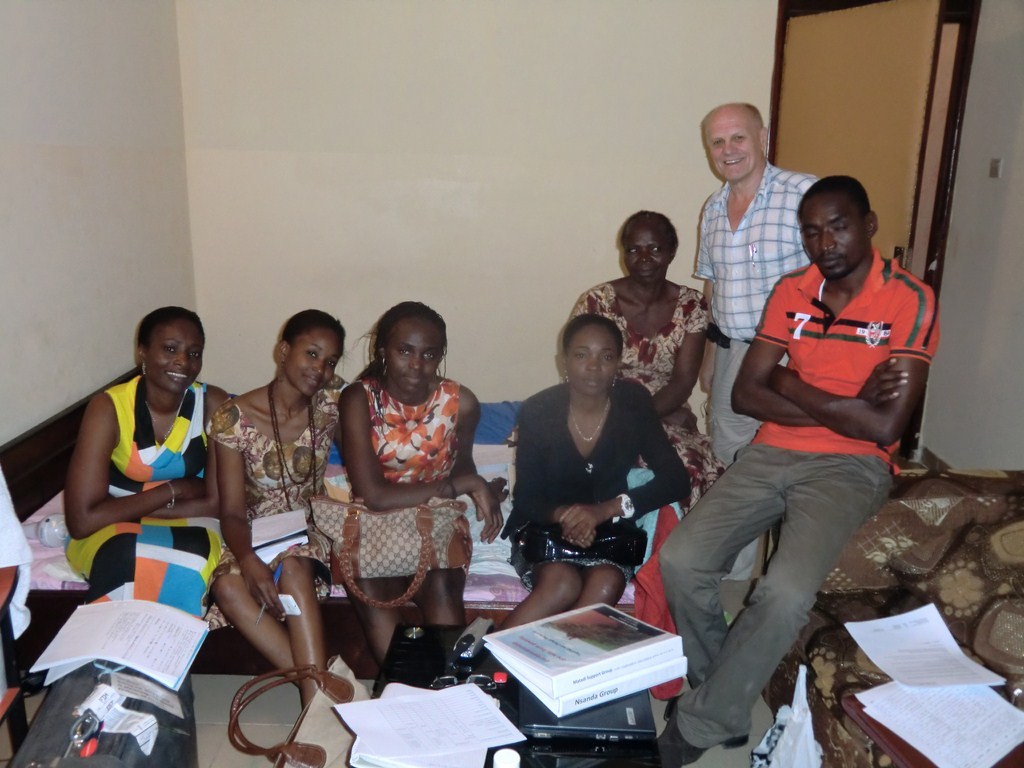
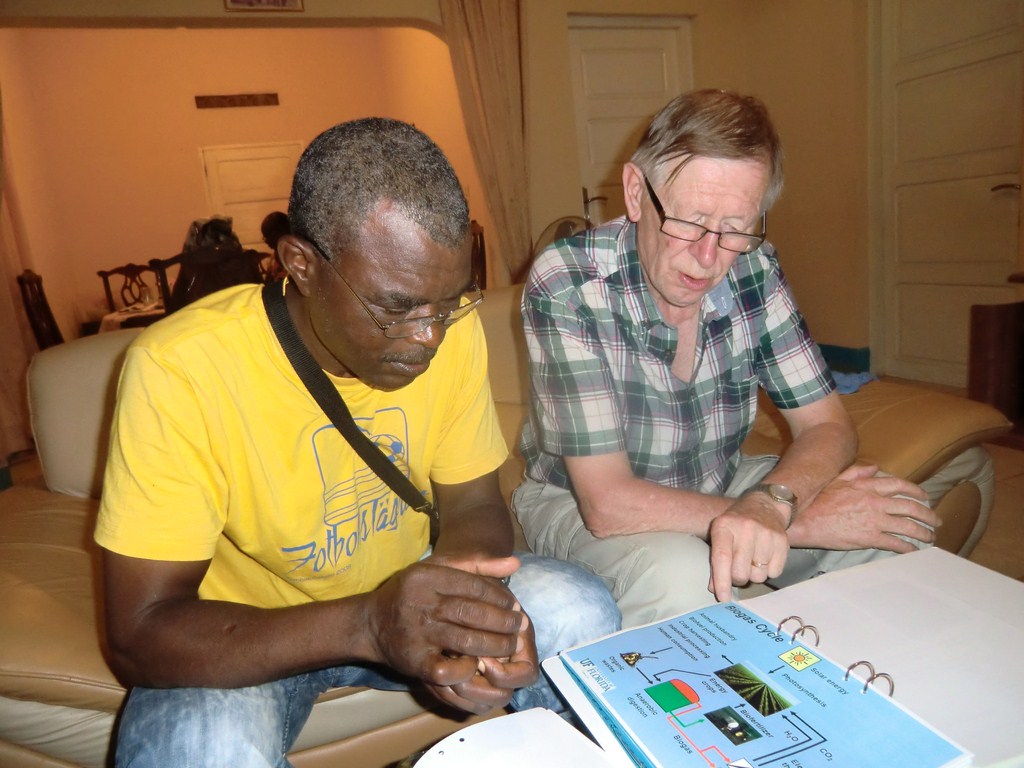
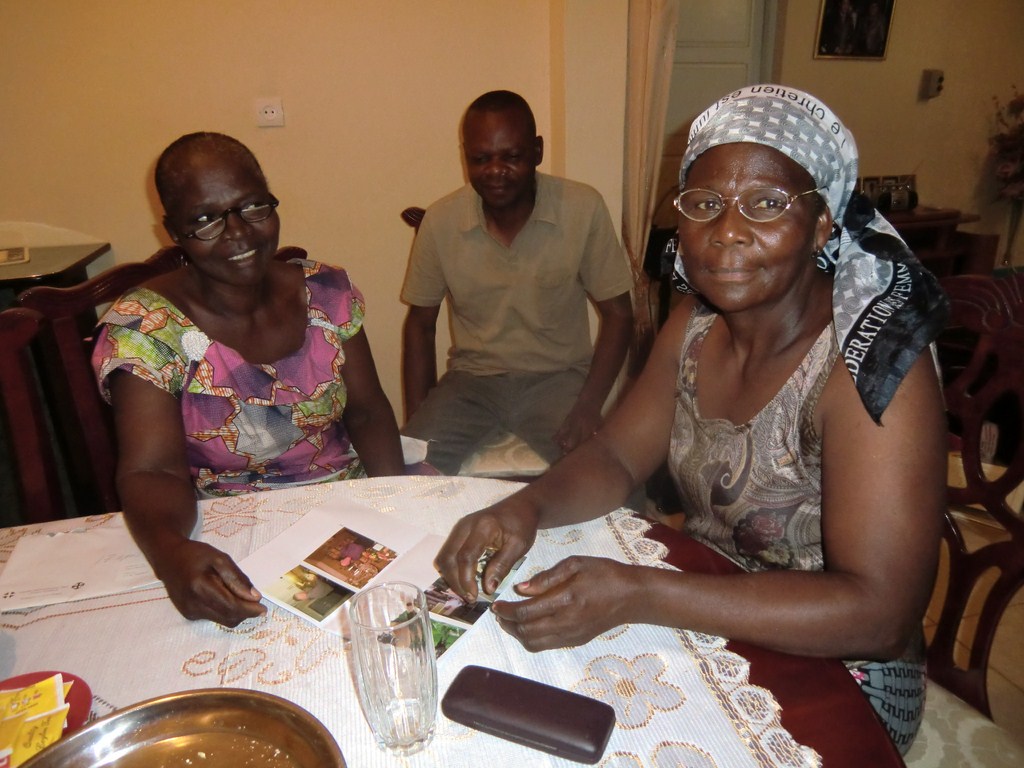
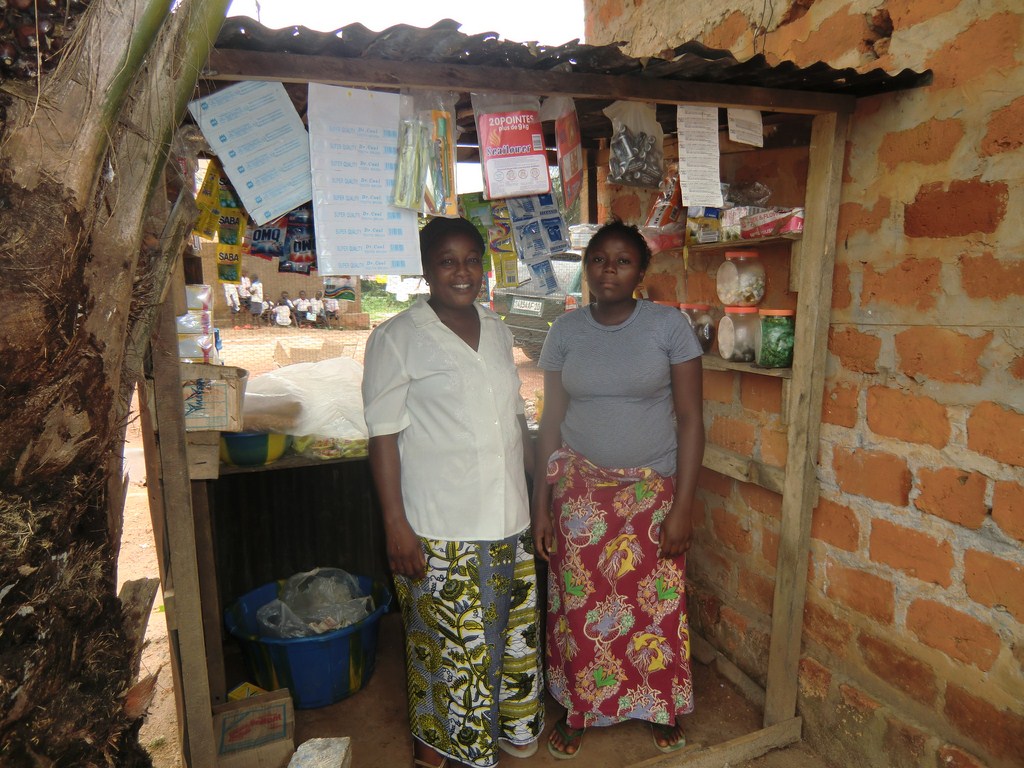
Meeting with entrepreneurs

Meeting with entrepreneurs

Like everyone else, my birthday occurs once a year and that day happened to be today. My wife Kerstin had given me a sealed envelope when I left Töve to open on my birthday. I opened the envelope when I had woken up and it was a complete surprise; she had made an album with pictures of what has happened over the years, and the years have come to be quite numerous by now. I also got an e-greeting from my dear wife with a picture of snowdrops, the wonderful first flowers of spring in Sweden. The spring is on it’s way.
I would like to thank everyone who remembered me on the day of my arrival to the world. The fact that you add a year for each time you celebrate is by now less important.

Cheers and singing accompanied the breakfast porridge, and in today’s honor I put sliced ​​banana on the porridge. After breakfast Emy arrived. We continued to go through the assignments we had for him. The thunder and the rain stopped us yesterday, hence we had had to discontinue our meeting. We also reviewed our information binder and discussed the entrepreneurs in Kimpese. We handed over money from Bikon in Borås. And in addition, he received some bread recipes to expand the product line of his bakery. The recipes had been translated from Swedish to French with Google Translate. I have told Emy of the origin of the translation. If the result of any of the recipes would be strange and result in anything other than bread, then we will blame Google.

We took a taxi the 230 kilometers from Kimpese to Kinshasa. Our driver was called Tonto. We left by 10:30 a.m. and arrived at 3:30 p.m.. He had a Mitsubishi Lancer, a very common car in this country. The standard of the car was acceptable. He had air conditioning, but he didn’t use it when we were travelling. Only when we arrived in Kinshasa and the temperature rose, he surprised us with this convenience. We had assumed that he didn’t have this facility. Here we met an entrepreneur who conserved his resources and didn’t use them more than necessary. He was frugal. This also was obvious when you took a look at his car; he kept it in good condition. We need more people who are good at conserving the available resources, in Congo as well as everywhere else in the world.

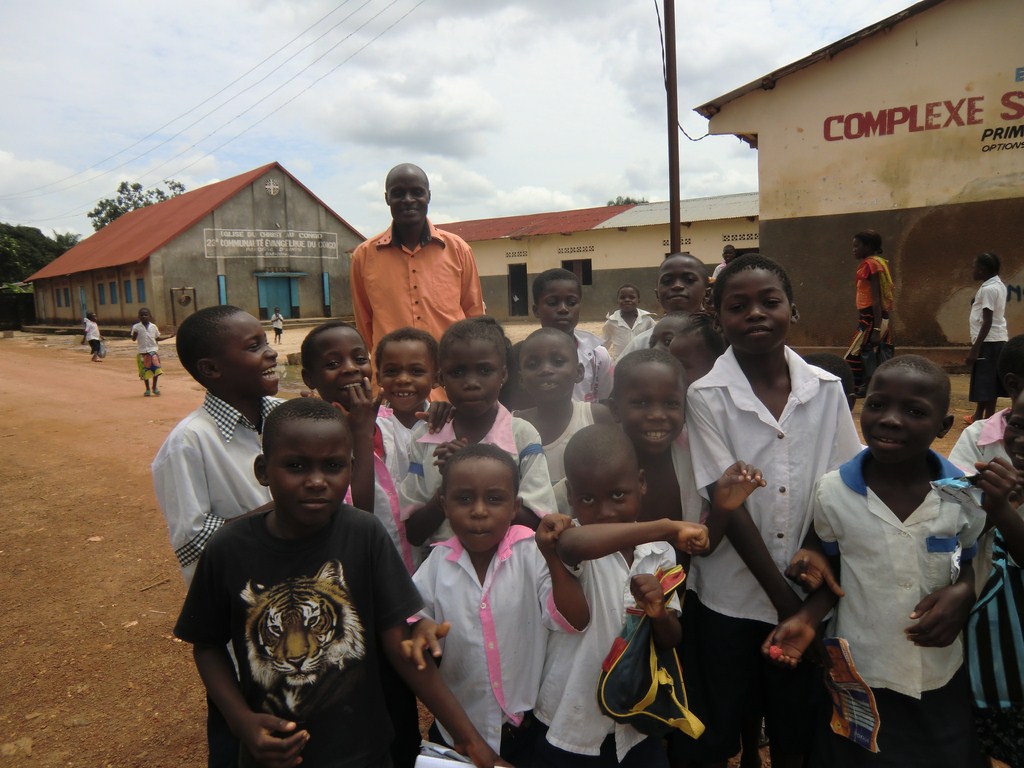
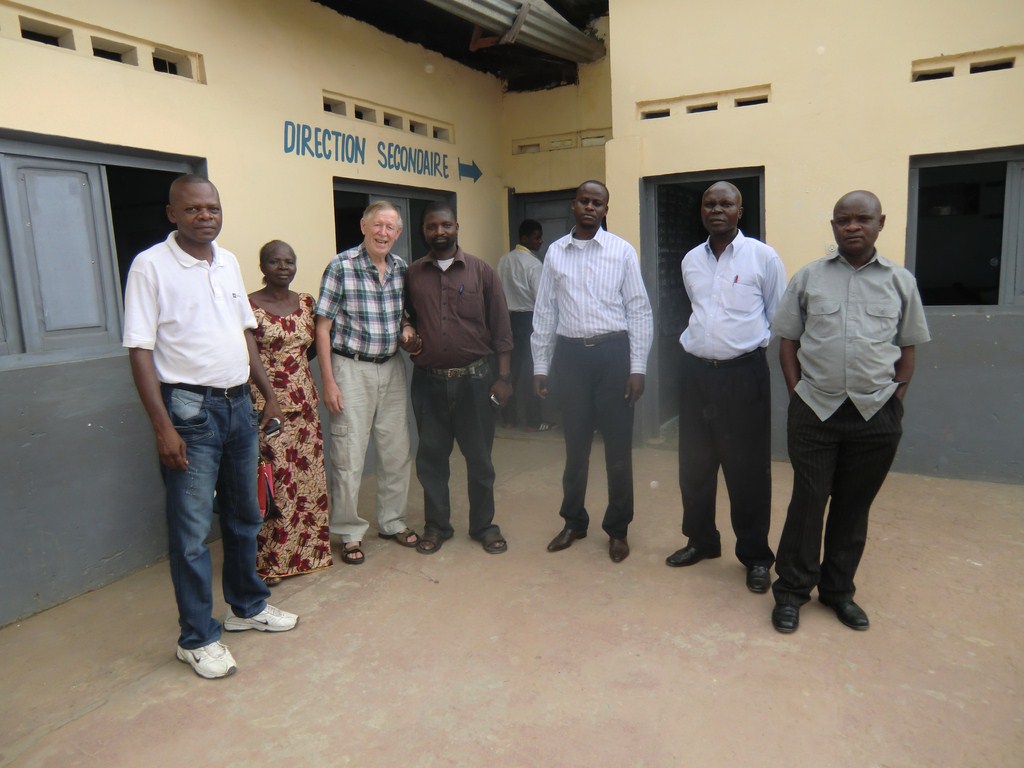
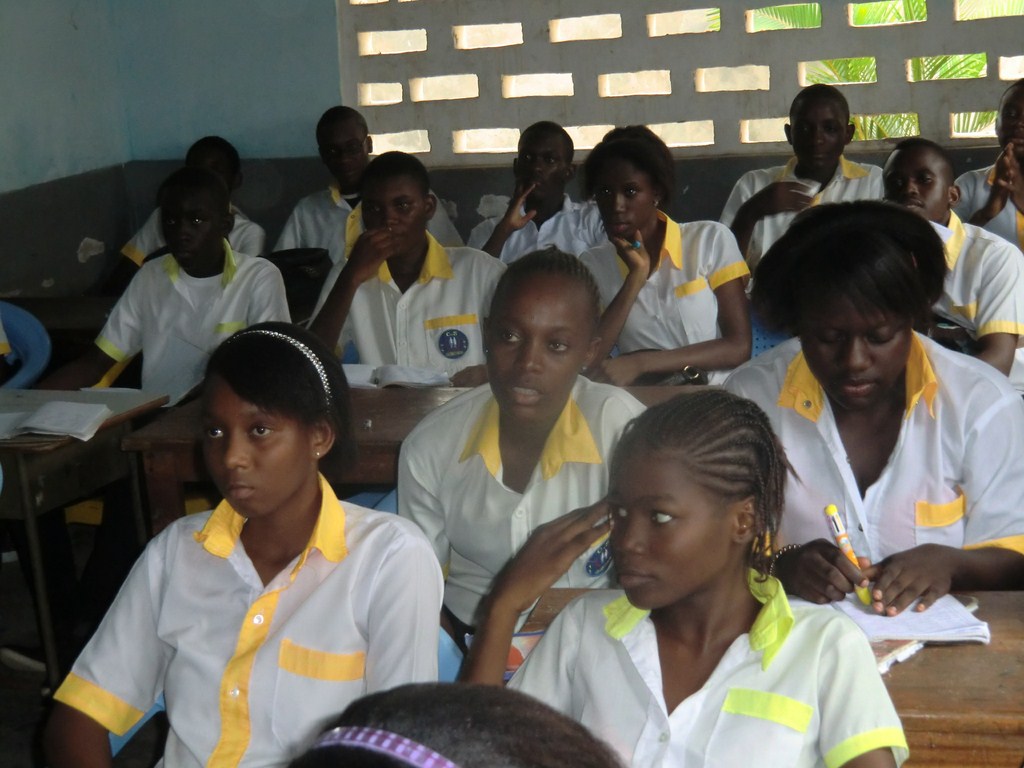
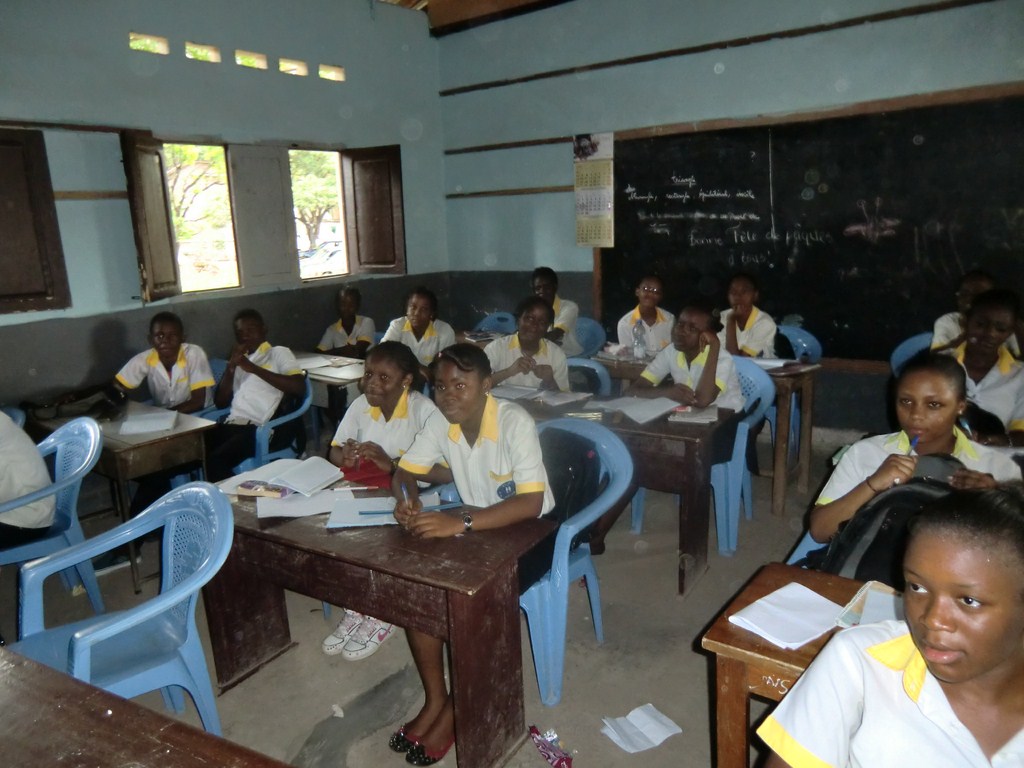
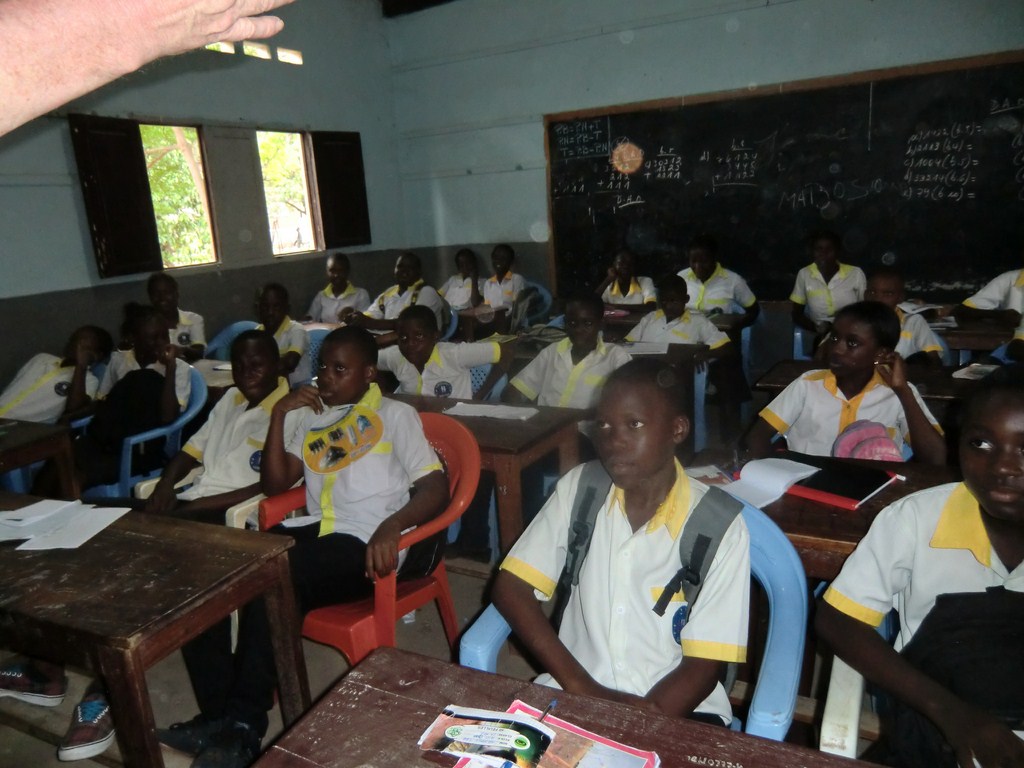
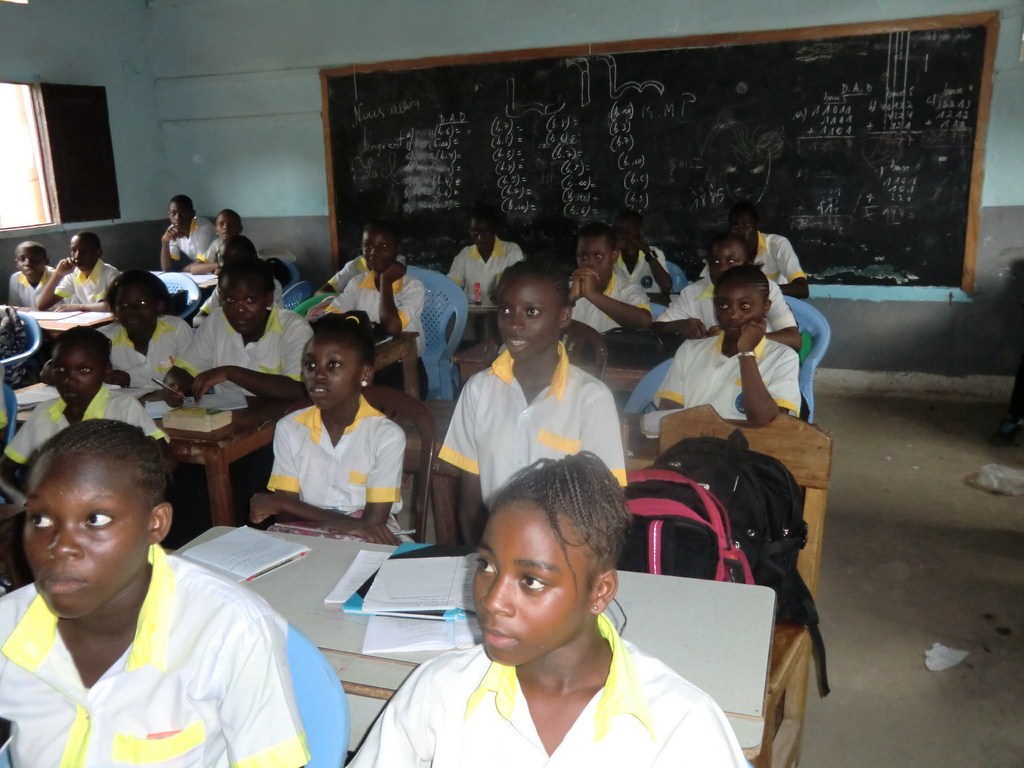
We stopped in Inkisi and had a meeting with two of our contractors. We went through their accounting and their installments. We also had a conversation with the headmaster at a school nearby, and a group of kids wanted to have their picture taken.

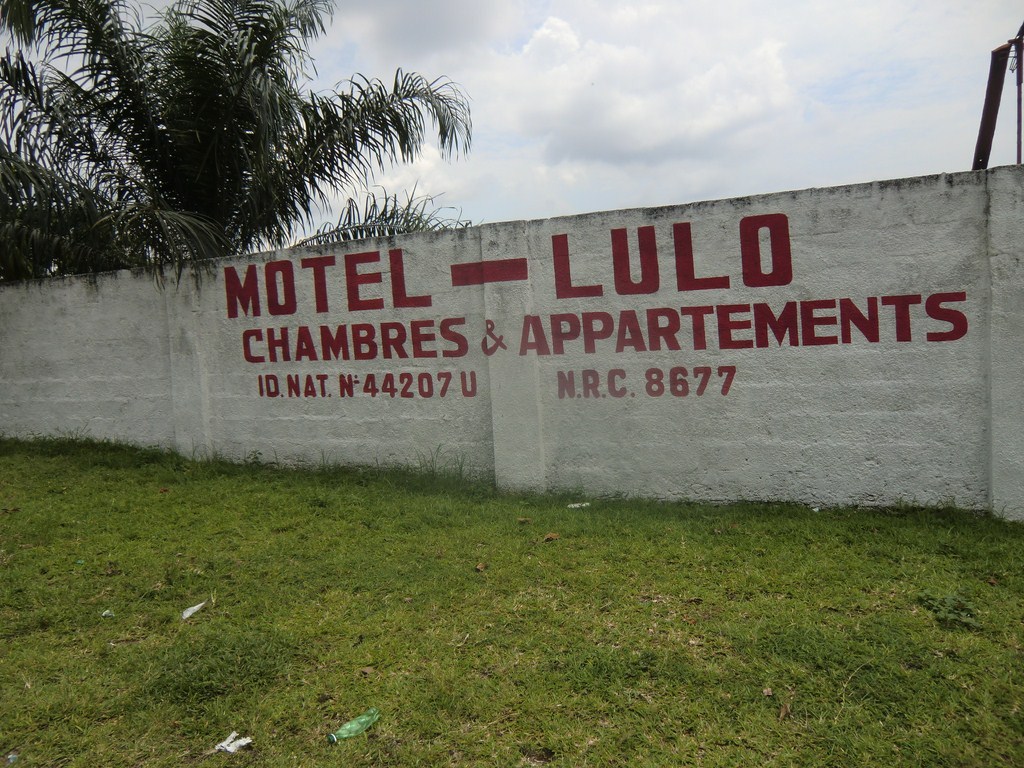
Here in Kinshasa we stay at a hotel near Nzu Binati. A hotel of acceptable Congolese standard. We have air conditioning but no running water. But we are familiar to this state of affairs by now. As long as there is only a couple of buckets of water there are no worries.

Posted in MSG

Open road

Julienne and the Kimpese Mayor, Dieudonné Mfitu

Julienne and the Kimpese Mayor, Dieudonné Mfitu

During part of the breakfast the whole family was gathered and Bernt held a thank-you-and-farewell speech to the Bakala family. I supplemented with telling them about our upcoming activities. Then we packed our belongings and put them in Yapeco’s car. We drove to Yapeco’s office where our luggage were moved to a waiting taxi. The taxi would take us to Kimpese. But before we left Matadi, we counted Yapeco’s cash assets, on behalf of our auditor. Everything was correct and in accordance with the accounting. Then we checked the cash assets of the lamp sales until April 1. They were also in accordance with the reported sales.

At 1 p.m. we arrived in Kimpese to the home of Nganga and Therese. It was really nice to get here. The last part of the trip had been particularly hot and in this house there is an air conditioner that makes life more pleasant. Otherwise, we had good weather during the trip. It had been raining all night and morning, and when we left Matadi it had been cloudy, something that guarantees a comfortable temperature. Along the road, there was surprisingly little traffic and hardly a single truck. The truck drivers’ strike is still going on, no doubt about it. The road was almost completely free of oncoming traffic.

We rested for an hour before we walked off to Emy Meantezila. After the visit at Emy’s office where we delivered mail and parcels from Sweden, we went together to the head of Kimpese municipality, Dieudonné Mfitu. We talked about the the deferred trip to Sweden (a study visit on garbage disposal), and we presented our information binder, told him about the projects we work with and stressed the importance of cooperation with leading politicians and authorities. The invitation to Sweden is still standing, it’s now up to the the municipal leaders of the three cities (Matadi, Kimpese and Luozi) whether there will be a study visit or not. Then we had a meeting with Emy. Thunderstorms and threatening skies shortened the meeting. After a quick walk home, the rain started to pour down in abundance. But by then we were safe and dry indoors.

We were back at Nganga’s at 4.30 p.m., where we took a shower after the sweaty afternoon. There was plenty of water in the taps, something we had missed for two weeks. Then Therese and Julienne made dinner, spaghetti and meat sause.

Posted in MSG

Good finish in Matadi

Addressing the future of Matadi at the Belgian School

Addressing the future of Matadi at the Belgian School

The day started with oatmeal porridge and a cup of tea, brewed in the Bodum pot which we have now given to our host family. Then, at full speed, we started planning the agricultural project in Nsanda. Currently, we have seven different fields with different plants in different stages. Some plants are absolutely outstanding in terms of crop value per hectare. Some plants such as manioc, takes 2 years to complete of the earth, from sowing to harvest with some seasonal additions, ie, when the earth lies fallow because of the dry season. It can not be so before it starts raining again during the next rainy season. Other plants, such as beans or corn, it takes just 3 months from sowing to harvest, and then we can catch up with two rounds per year. Because of the varying growth circles we must be very careful with the crop rotation, not to deplete the soil. We also planned a new, eighth field where different plants will be mixed.

One thing that we solved today was to write a contract with a seller of our products. Benjamin is his name and Julienne knows him from before. We asked him to tell us about his situation, which is quite dramatic by European standards. He and his wife have five children, and until December last year they lived together in a house. Then came a storm and tore the house down, and the wife and children moved to her parents while Benjamin is staying with a brother. Benjamin has worked on and off for various European organizations, eg. the Red Cross, but at the moment he is out of work. Benjamin gave a trustworthy and reliable impression, and we have decided to believe in him until he proves otherwise. He got a sales order on the fly, which also included marketing a product. We gave him six jars of pili pili paste and 20 USD for a taxi to get around town. He called Julienne during the evening and reported about his activites. As mentioned earlier, I have a good feeling about Benjamin.

Yapeco got home in time for dinner. Among other things, he had been seeing the mayor. And we had been invited a second time to his office at 15h00. This time, we were somewhat delayed but he wasn’t busy when we got there, and we could meet with him straight away. We had a good conversation about relationships and cooperation. We agreed that cooperation is a way to success. I didn’t give him the letter I had written yesterday, however, he got our information binder. But we left the letter and information binder for the governor at the mayor’s office. The mayor was going to meet the governor the following day. We look forward to the reactions to our material and our work from these two leading politicians.

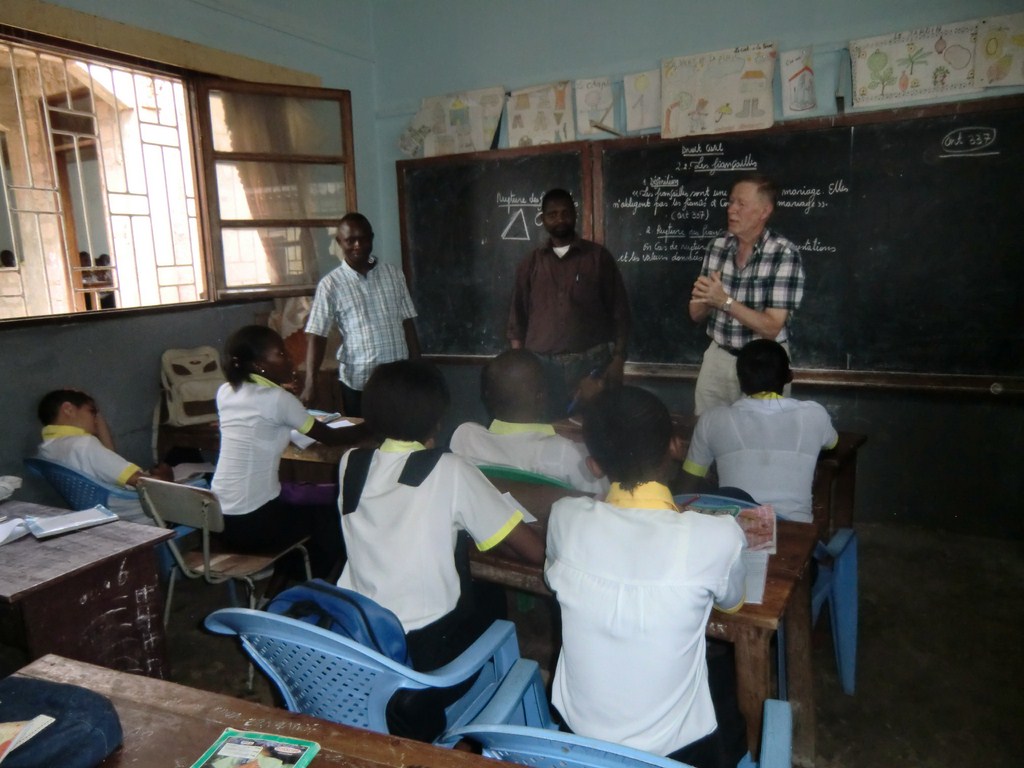
After this satisfying meeting, we visited the private school where the children of Yapeco and Augustine are enrolled. It is a Belgian school. My interpreter, a teacher at the school, claimed that it is probably the best school in Matadi. The primary and the secondary school together have 700 pupils. The pupils in primary school come in the mornings and the pupils of secondary school attend classes in the afternoon. We took a tour and visited all the classes, there were a dozen of them. I was allowed to speak to each of the classes. It was inspiring to talk to Congo’s future, these young people who will shape the new Congo. The mayor predicted Congo to undergo major changes during the years until 2025. Everyone hopes for change, especially the Congolese people who are tired of the order of things as they are today.

In the evening, we went through business dealings we have together with Yapeco.

We had a good finish in Matadi. Tomorrow we travel to Kimpese.

Posted in MSG

Letter writing

Participants outside the church

Participants outside the church

During the morning session, I put together letters to the mayor of Matadi and to the governor of Bas-Congo. We don’t seem to get a meeting with the mayor during this stay. When we were supposed to have met him, he had prioritized other things. But instead of our presence, he will now receives a letter and our information binder. The governor will get the same information. The governor of Bas-Congo was inducted only yesterday and his name is Jacques Nbadu.

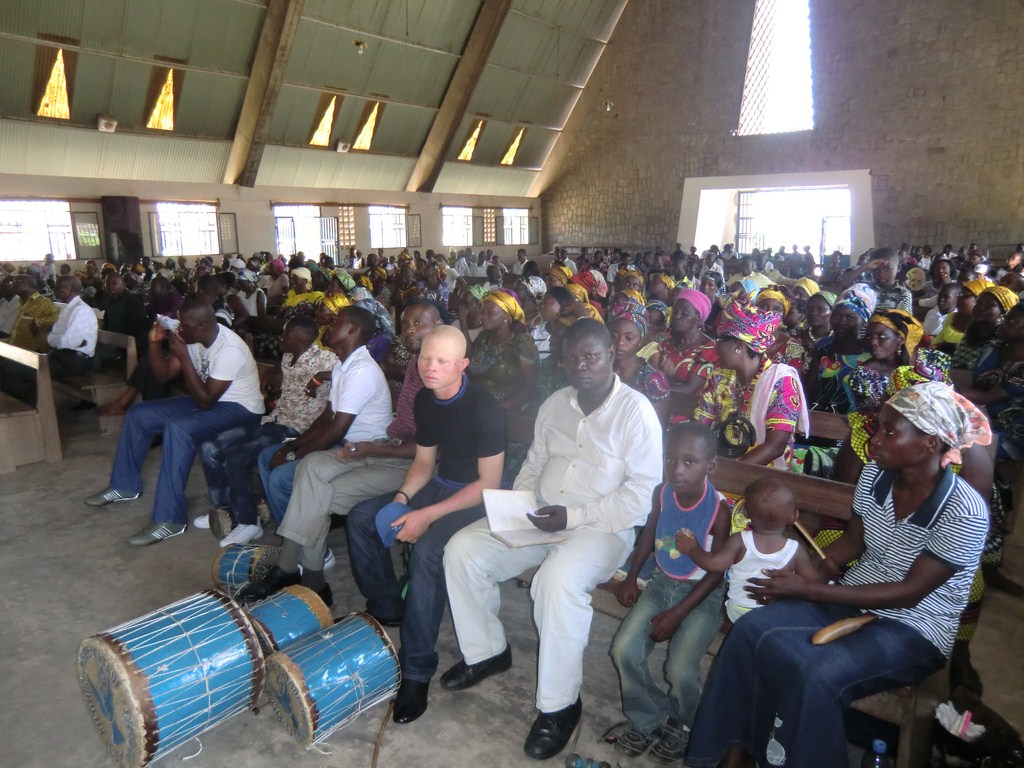
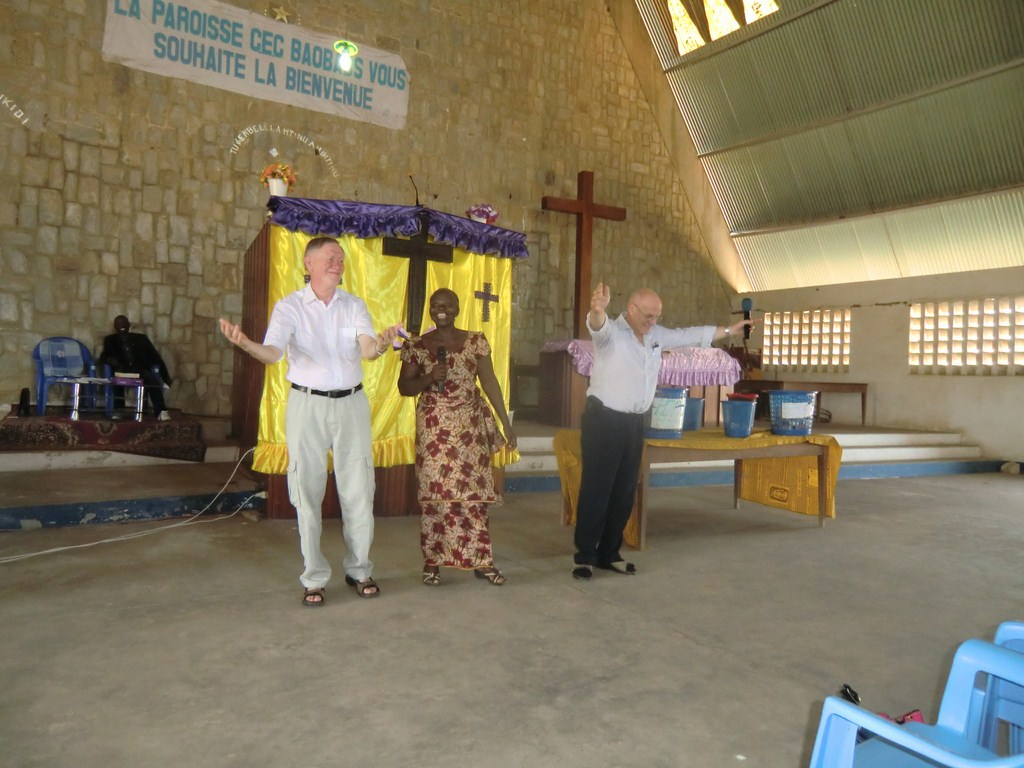
At 10 a.m. we went to the Baobab Church for the Kikongo service. The service follows a quite strict order in the Baobab congregation, controlled by a leader of the meeting. The agenda is as follows: Prayer, confession, creed, worship, joint songs accompanied by drums on a couple of occasions. There are no organ or other keyboard instrument, not even to procure around here if you wanted to. Today there were three female choirs and one male choir. A parish pastor was in charge of the welcoming messages. Those who were in the church for the first time received special attention and those who where from other locations were also recognized. The two mundele, i.e. Bernt and I, had to go up to the podium to the sound of happy cheers and loud greetings.

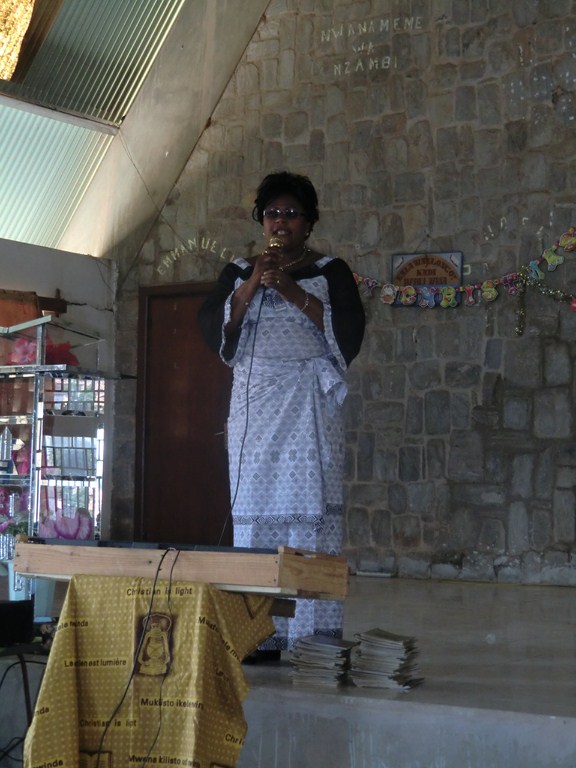
Today’s sermon was about the choices we humans face, the good choices, the less good or the evil. Then came the offertory, when everyone brought their offerings to the baskets by the podium. Some people were dancing in the aisles. First in line were those who were paying tithes. When they were done, Julienne Kukangisa spoke and prayed particularly for them. After the offertory we received information on upcoming meetings. There were many items to announce and it took almost half an hour. Then Augustine informed the congregation about a group of women in the church who take special responsibility for the economy. Bernt and I, interpreted by Julienne, said a few words and received a lot of greetings for Sweden. Finally, the service ended with prayer and the blessing. Today, the service lasted 3.5 hours. A Congolese service is a lively event, both from person to person and from people to God. All the time there is dialogue between the speaker and the congregation and with God. There is no chance to fall asleep.

Today Augustine drove us to and from church. Yapeco is one of the church leaders, and he had also taken part in the French church service that had begun at 8 pm. After the two services, he had church business to attend to.

At 2.30 p.m. dinner was served and then it was time for a restorative siesta. Today has been very hot and the heat reduces the possibilities of any major activities. But Sunday is in fact a day of rest, and we are probably allowed to take it easy.

Posted in MSG

Samuel visits us

Happy egg traders

Happy egg traders

Yapeco set off before breakfast. First, he went to the BGFI Bank with some additional information about MSG, and then he went to his office to go through his accounts of sales of second-hand goods from Sweden. He wasn’t home again until seven o’clock. And he hadn’t eaten anything during the whole day. But as soon as he had gotten home, he had a ample-sized meal.

Bernt and I dedicated the morning hours to an evaluation of the various crops on the Nsanda farm, and we worked out an action plan for the next six months.

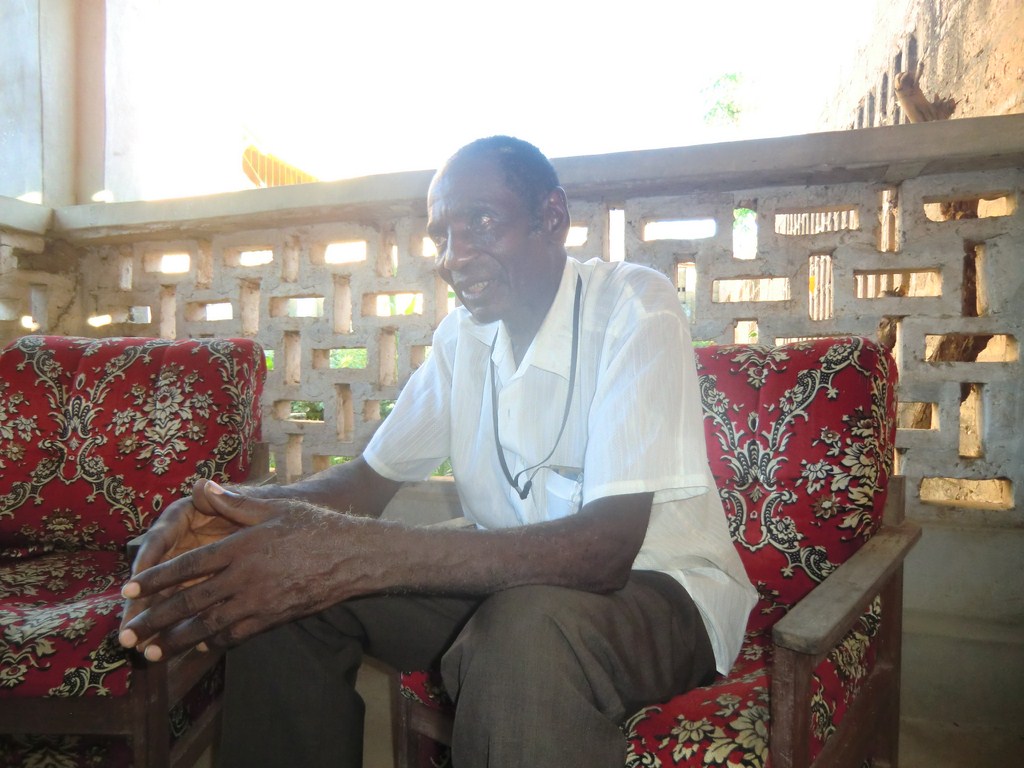
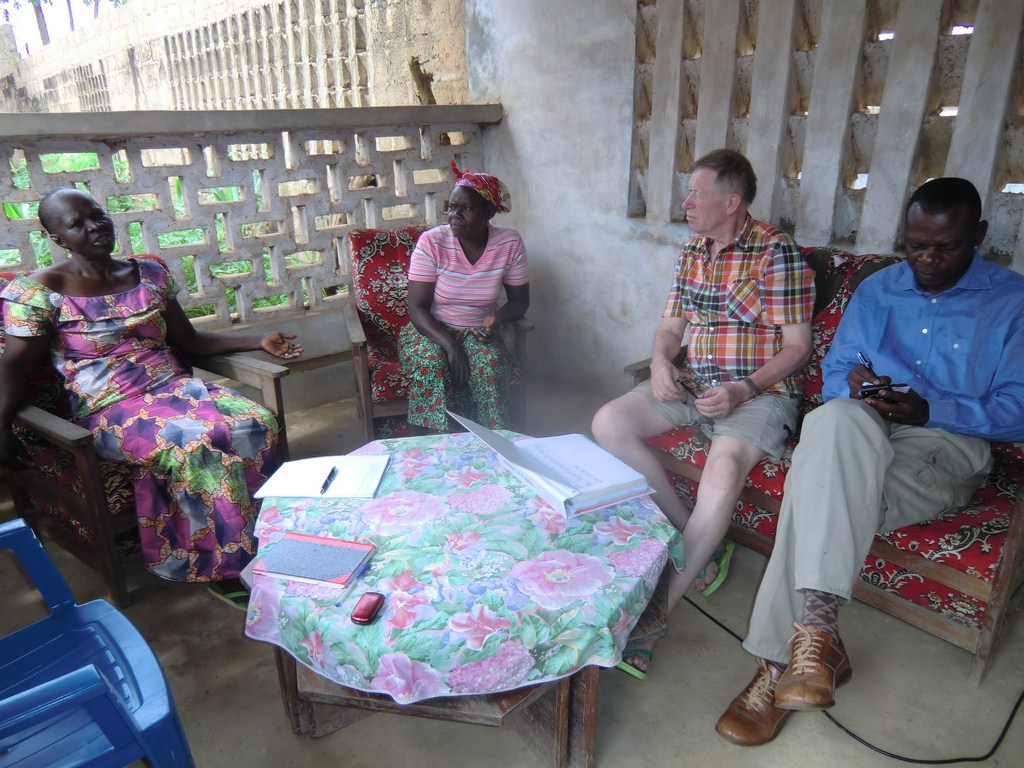
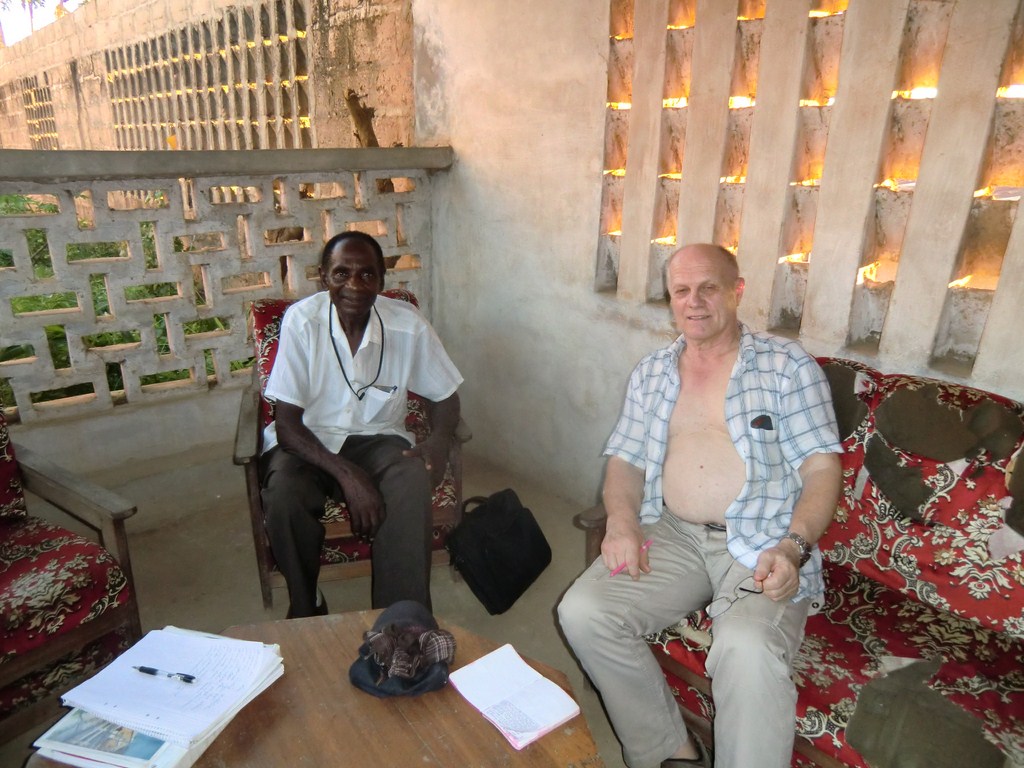
In the afternoon, Samuel Nkailu came to visit us. Bernt and I got an hour’s conversation in the paillotte with him. Samuel told us that up to 40% of the children in young families don’t go to school. In most cases, the reason is the lack of money for the school fees. But the money issue may in some cases be related to families giving priority to other things than education. A mobile phone, for instance, is an important item for a Congolese. Because of children’s lack of attendance in school, meetings have been arranged for young wives in the Youth Center about the importance of children’s education. The meetings, consisting of lectures and seminars, have received some funds from UNICEF. If the campaign grows, UNICEF have promised more support. At the moment, the activities grow with the help of the mothers. The ones who attend one meeting are encouraged to recruit others to the next.

The sewing machines that were presented to the Youth House at the inauguration in 2010 are used extensively. Right now, a group of young girls are being taught to sew. After the training, they are allowed to continue to use these sewing machines on their own.
Samuel also told us that there are several organizations, both religious and non-religious who rent the premises of the Youth House.

After Samuel left, two women came to and buy eggs. They bought 150 eggs, they were probably in the egg trading business. Then it was high time for a cup of evening tea. The electric kettle and the Bodum teapot from Sweden came in handy.

Posted in MSG

Invited to a wedding

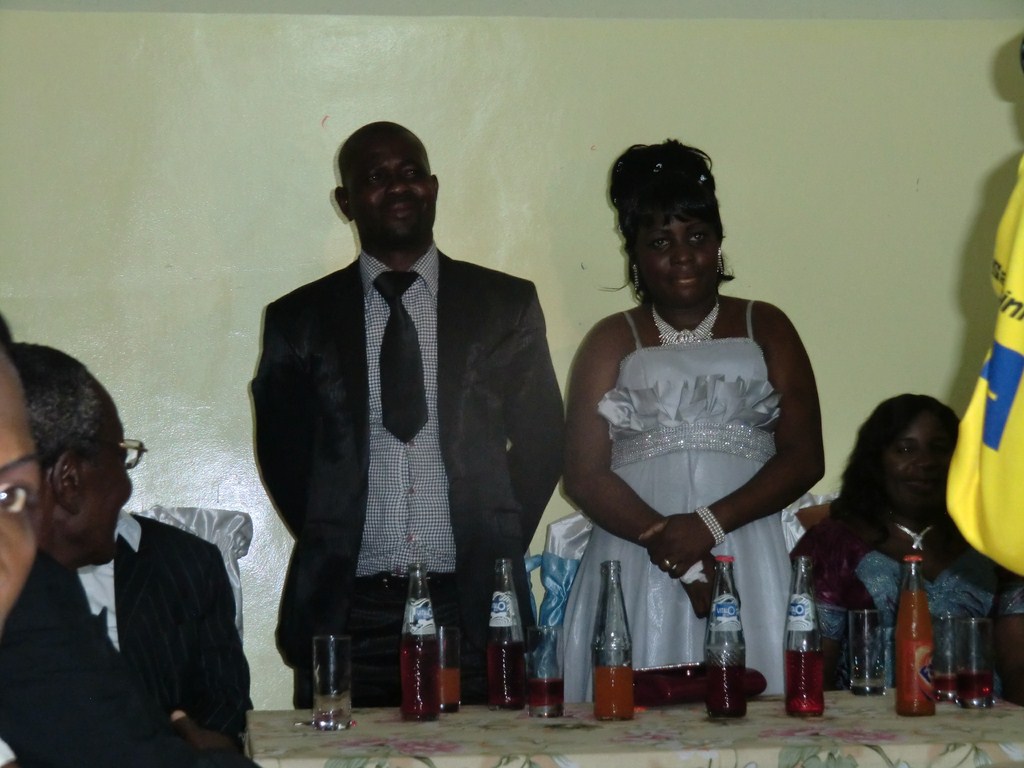
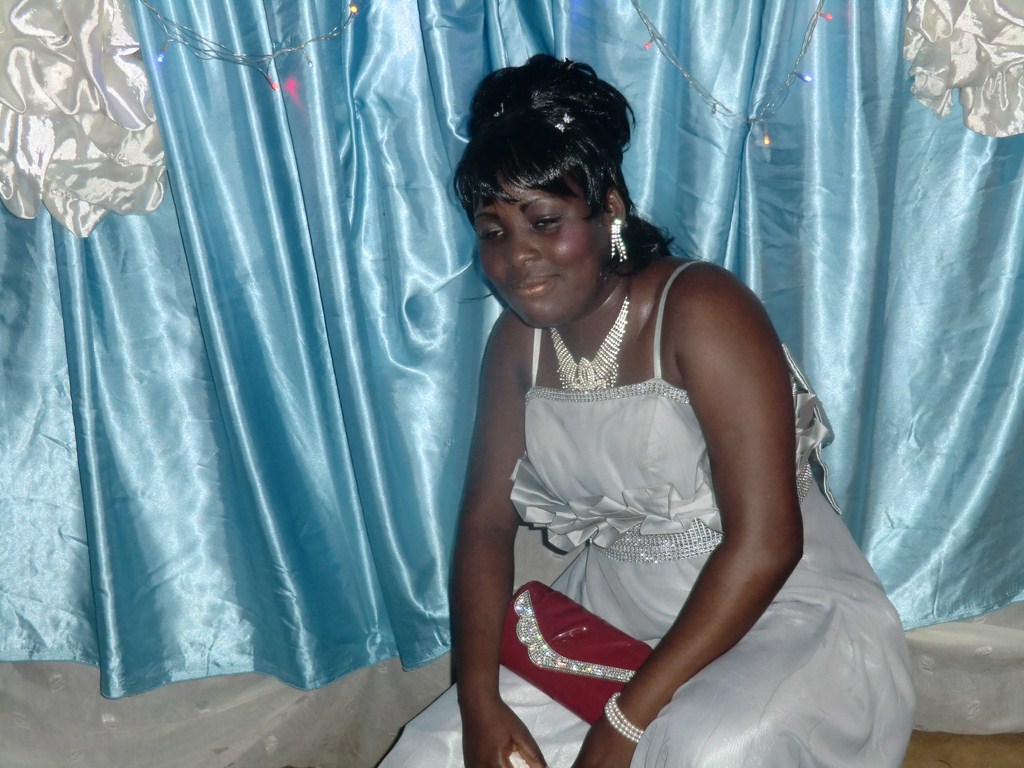
The wedding couple with their bridesmaids

The wedding couple with their bridesmaids

In the morning we had consultations with four of the entrepreneurs. We sat down in Yapeco’s paillotte and we talked about the opportunities and the difficulties of running a business. It is important to take advantage of any opportunity that arise and if opportunities don’t arise by themselves you have to make them happen. It is challenging, being an entrepreneur. Work has to come first and nothing is for free. Then, if your effort is seasoned with a little luck, your business might be successful.

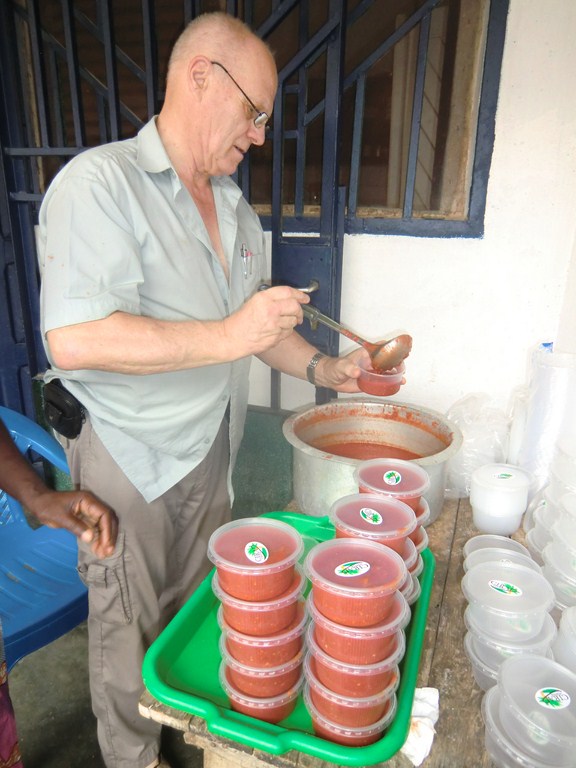
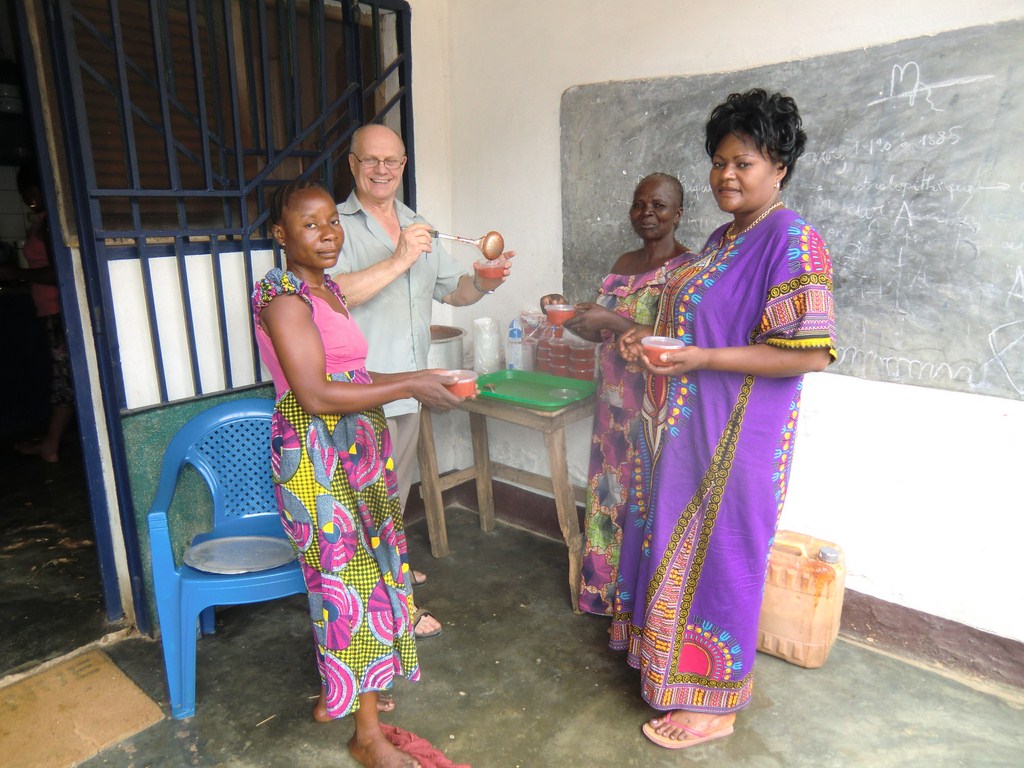
Today, Bernt and Julienne put pili pili in jars. We had with us 500 jars of 2.5 dl. Julienne had prepared the pili pili and put the paste in 20 liter cans, which we brought back with us from Nsanda. The jars will now be distributed to hotels, restaurants and shops. Bernt and Julienne filled 238 jars today. The price is approximately 1.60 USD per jar and that’s not so bad.

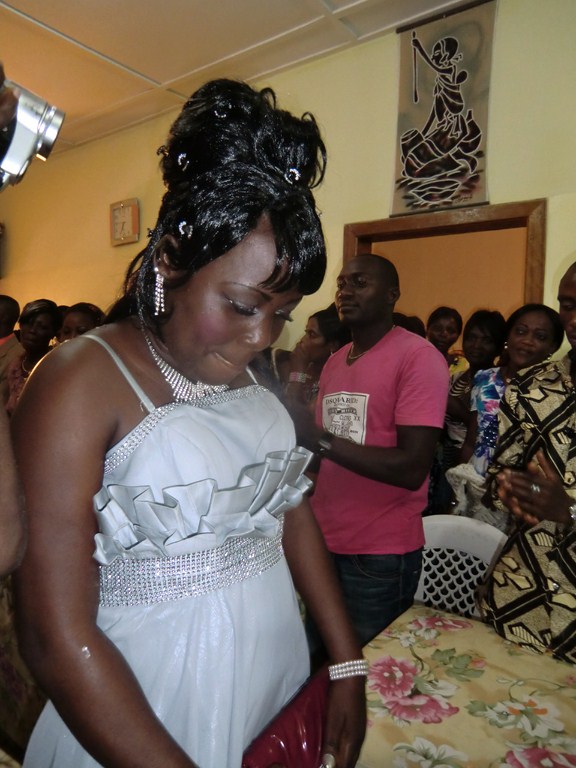
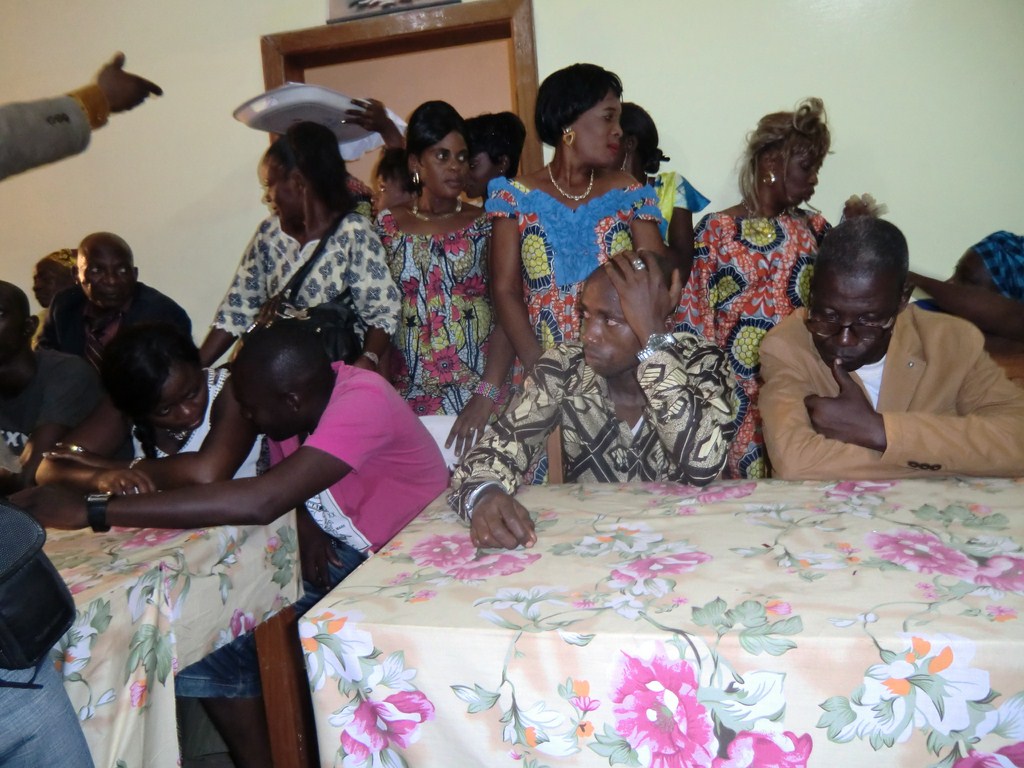
At five in the afternoon, we were invited to a wedding at the Youth Center “Marie Matty”. A Congolese wedding takes place in three stages. The first stage is when the respective families meet for ceremonies. This was the kind of party we were invited to. The bride is the daughter of Bishop Paul Teka Sala. First, the families and guests gathered in a hall. We were about 100 people. Soon enough people were singing vividly. The intensity of the singing increased when six bridesmaids entered the room and then, when the bride came in, the singing and cheering reached hurricane strength.

When the volume had dropped a bit, the bride’s uncle took the floor and announced that the bride and her parents had gotten all the wedding gifts they had wanted, and that they were happy and satisfied. After this announcement, the uncle asked the groom’s family about the purpose of their presence here tonight. One of the groom’s uncles answered that his nephew had found a beautiful girl in the other family. This nephew would give up all the gold in the world, if he could be permitted to marry her.

Then the bride poured something to drink into a glass, which she took to her father where she kneeled down before she gave him the glass. She explained to her father that she is going to get married and that she will love her husband more than him. Then the father drank from the glass, took the bride by the hand and blessed her and wished her all the best. The same procedure were performed by the groom and his uncle, who also gave him his blessing and wished the couple prosperity. As a closing ceremony, the two families were presented to each other. During all parts of the ceremony, the spectators were cheering and applauding. The bride and groom then marched out of the buildning and we saw them no more that night. Then all the guests went outside, and we filled our lungs with cool evening air. It had been raining substantially in the afternoon and this had given a lovely coolness to the air.

After fifteen minutes, we were all invited indoors again for the wedding dinner. It consisted of traditional Congolese dishes like fish, meat, cassava in different forms, beans, sakasaka and eggs. There were also some unusual dishes like french fries. To drink, we had Fanta or Coca-Cola. When we had finished our meals, we left the party and went home.

The next stage in the Congolese wedding traditions is to go to the municipality and make the marriage legal by a civil ceremony. The last stage for the couple is to receive the blessing of the church and of God in a Christian ceremony.

Posted in MSG

Laundry day again

Meeting with Pascal Difuidi at BGFI Bank

Meeting with Pascal Difuidi at BGFI Bank

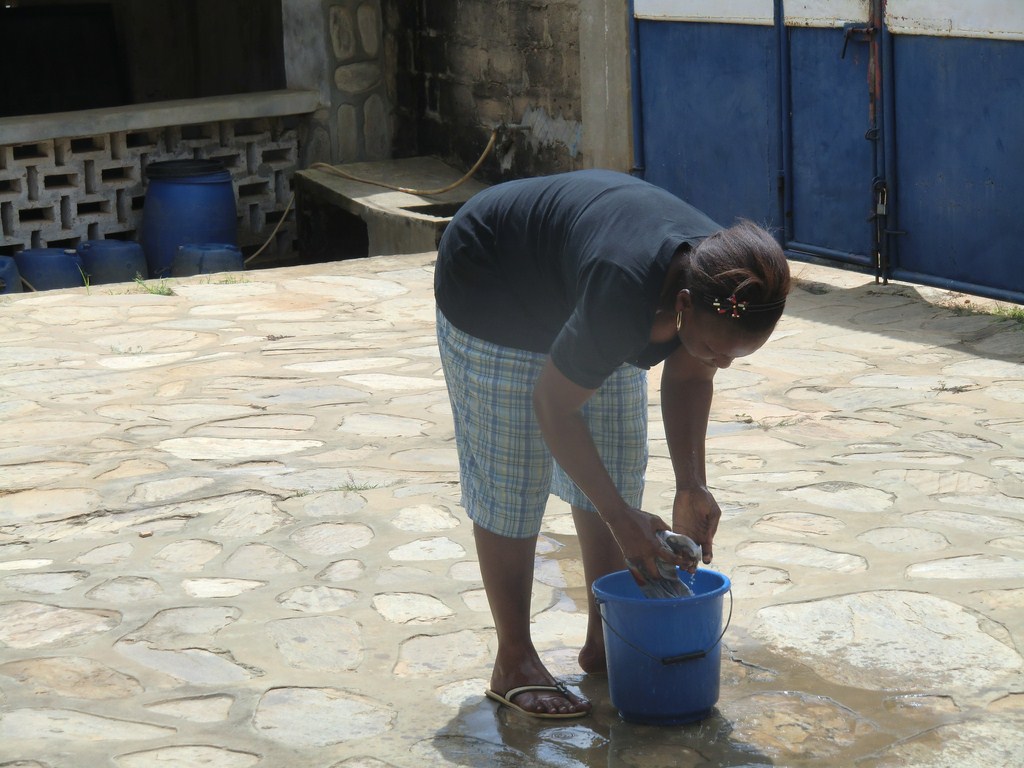
The previous night, someone in the neighborhood played loud music from dusk to dawn. The music stopped only when the sun began to rise. Because of the open windows, we hear most of what is going on beyond the walls. When we asked about the music at breakfast we were told that there had been an wake at a neighbour’s house. The whole family gather when someone has died to take a proper farewell to the one who has passed away. This is an old tradition and it is considered to be important.

Today we left our laundry to the two ladies who work here in the house again. They wash everything by hand. Our clothes become nice and clean, and they dry quickly in 35-40 degree heat. Clean clothes are a hallmark of the Congolese, not to speak of the schoolchildren in their shiny white shirts and dark skirts or pants. They are always clean, although there are no washing machines in most houses.

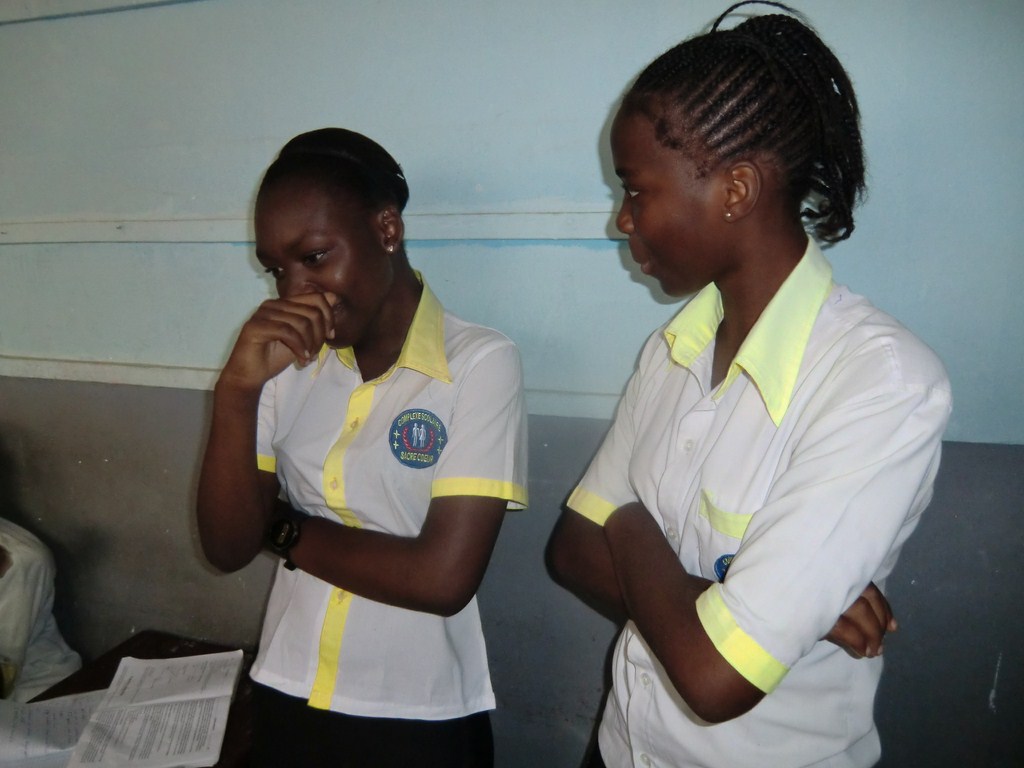
After breakfast we went to the county office to meet the Mayor. We were well prepared with lots of information to present. The meeting were to take place at 10 a.m. After an hour of waiting Yapeco called the mayor and asked what was going on. The executive made excuses and told Yapeco he had had to take care of a meeting with striking truckdrivers. The strike is apparently widespread and affects many parts of the society. We fully understand his priorities as this was certainly more important than our meeting. But it is negligent not to inform us about his unavailability. We could have used our time better than to sit and wait for a local politician in his office.

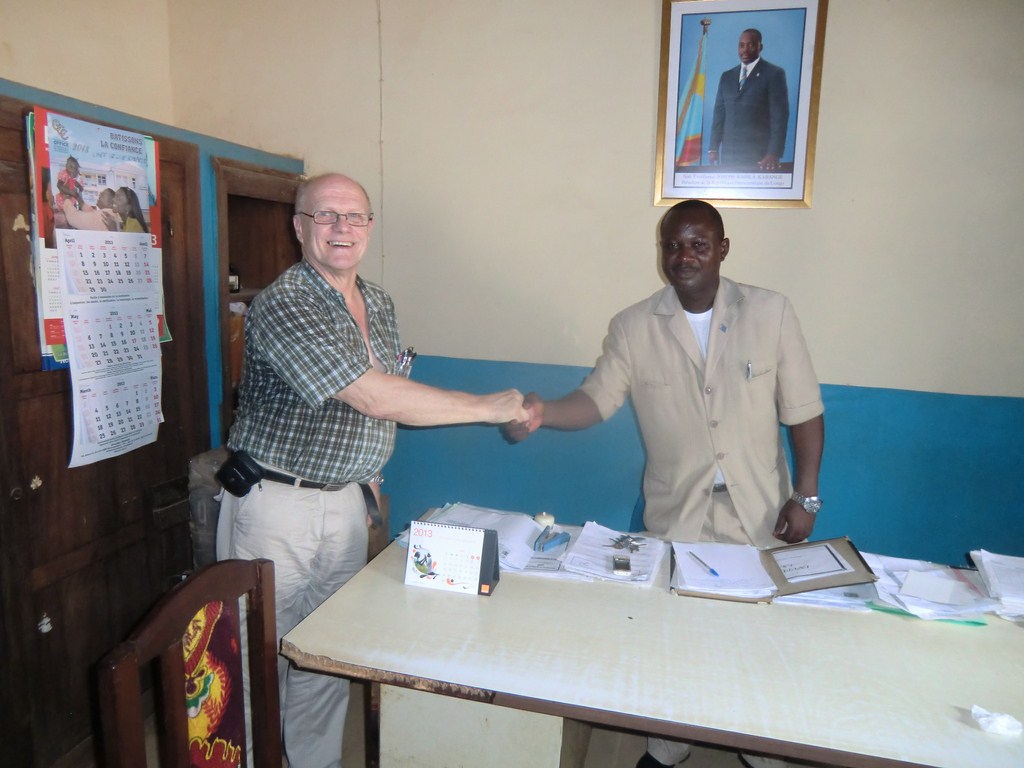
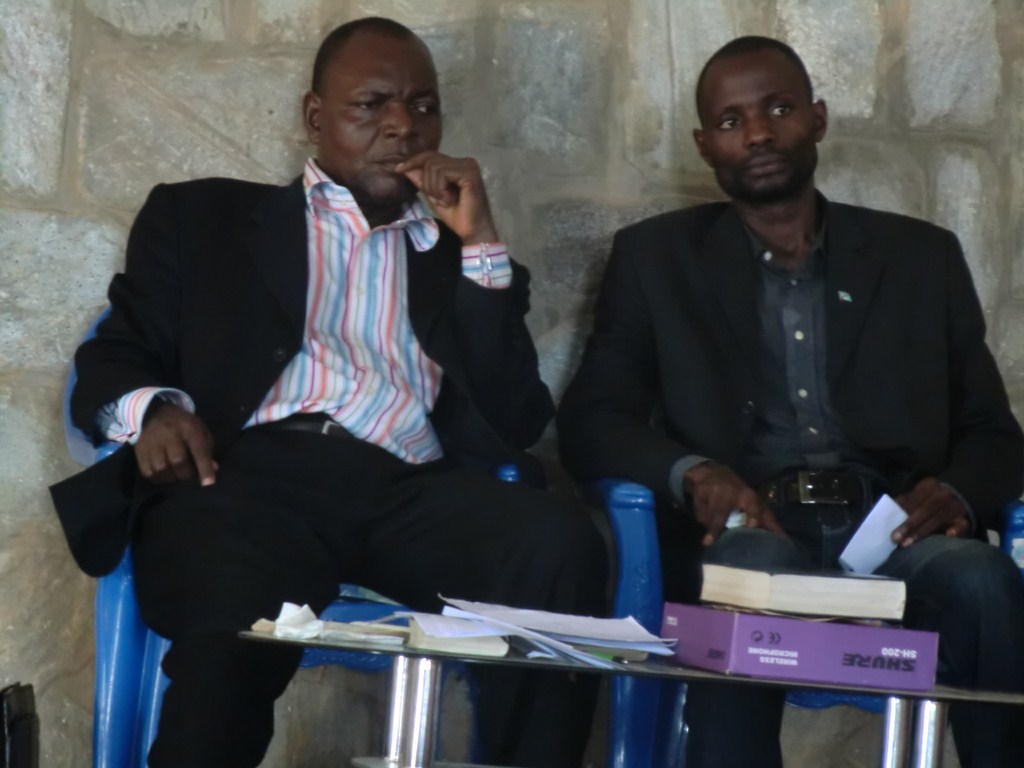
In a somewhat irritated mood, we went to BGFI Bank and had a meeting with the manager, Pascal Difuidi, and his associate, Blanche Massanga. We talked about our work, and presented our need of a cooperation with a bank. Our goal is to have a regular bank to handle the loans to our entrepreneurs. MSG need to let go of the money management, there are others who are better equipped in this craft. After the meeting, we handed over a binder containing the accounting of a group of entrepreneurs and a list of what we want to get out of a cooperation. Now, we await their response with interest.

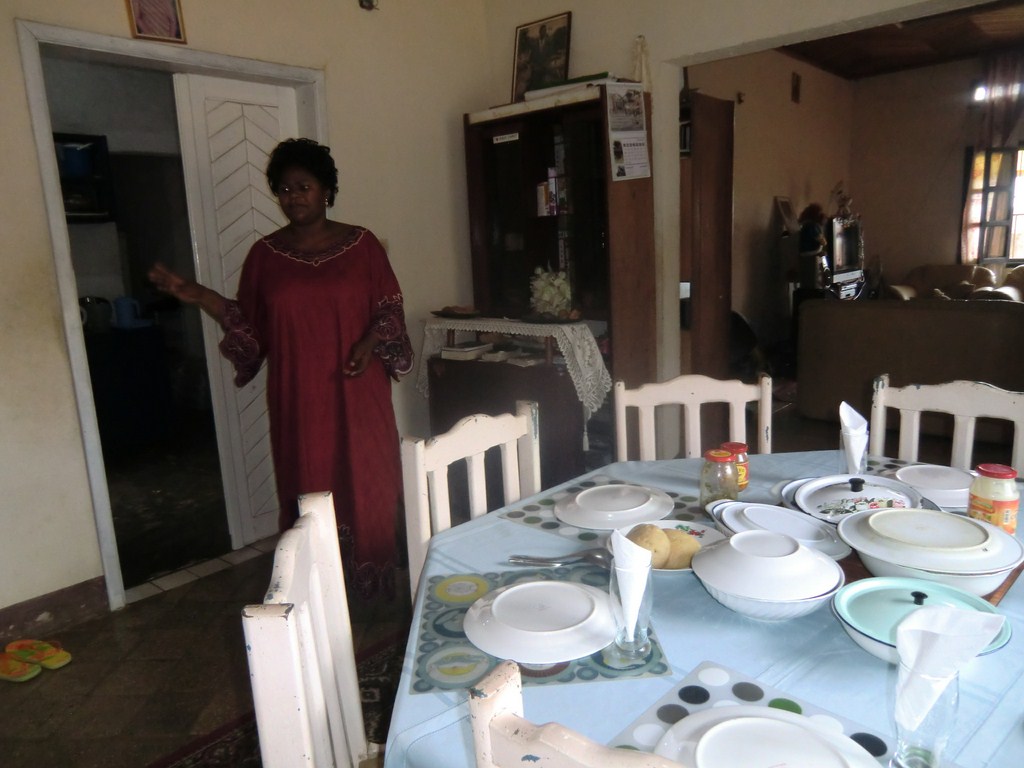
We returned to Yapecos house in time for dinner which today consisted of chicken, rice, manioc, sakasaka and for dessert bananas. After a short siesta, I devoted myself to office work. The living room of Augustine and Yapeco’s house is now used as dining room, office and TV room simultaneously. Luckily, it is large enough to cover all functions.

When bedtime was approaching I asked whether my freshly washed sheets were ready to use. But the service department didn’t want to leave them to me, because the sheets had not been ironed. Since I’m not used to sleep on ironed sheets, I gladly accepted them in that state. It is good to have what you’re used to, innovations may disrupt your sleep.

Posted in MSG

Summary and forecast

Tvättdag

Tvättdag

Augustine’s younger sister, Nsoma Astrid, came to visit us for breakfast. She is a physician and gynecologist at a hospital in Matadi and received her education in Japan. She is a very social lady, and she talked us through the morning oatmeal.

Today, our dirty clothes were washed. Almost every day is laundry day. Clothes should be clean. In this house, there are two ladies who take care of food and laundry. Unfortunately, Augustine is not feeling well at the moment.

Yapeco has had to visit the immigration office again, thanks to Bernt and me. However, he only had to bring the foreign passports to the office, and not the actual foreigners.

Today we have stayed at home to go through the costs of growing and selling cassava. So far, it has cost us 850 USD per hectare. The harvest and getting the produce salable will cost 270 USD. Then we must add the cost of transportation to market. Between 8 – 10 hectares will be harvested when the dry season begins. According to Congolese agricultural experts manioc can yield between 15 – 20 tonnes per hectare. We’ve been a little cautious in our outlook and anticipate 14 tonnes. We will sell it as fufu, which means that the root is peeled, grated and dried and packed in bags of 50 kg. This process reduces weight between 60 and 70%.

The ways of distributing and selling are almost the same as in Sweden long ago, when a farmer loaded his harvest on a wagon, harnessed a horse, brought a farmhand and early in the morning went to town to get a good spot at the market. With the exception of the horse – there are no horses in Congo, the harvest will go by truck – the benefits of the small-scale operation is at work. Because at the market the producer meets the customer directly, eye to eye without costly intermediaries. This tried and tested method of selling produce puts the producer in control of the situation.

It’s about time to find the market where the price is the best. We need to make this profitable. This is the first major harvest that we sell. The very first harvest we lost due to the drought. We will need a good result this time.

Posted in MSG