Visiting a church leader

Överås, Gothenburg previous highschool for training pastors

Överås, Gothenburg previous university for training pastors

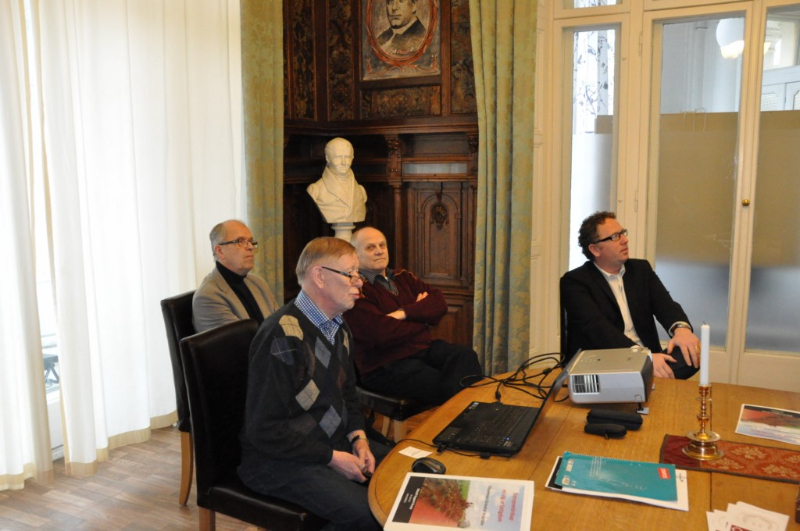
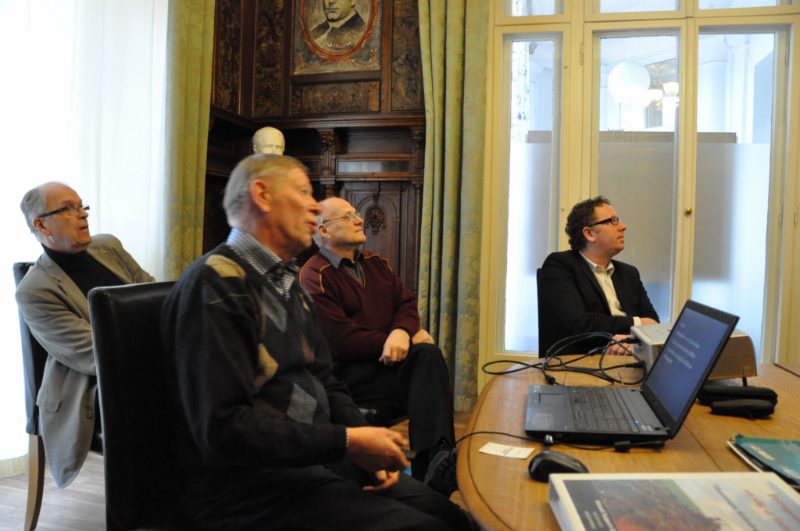
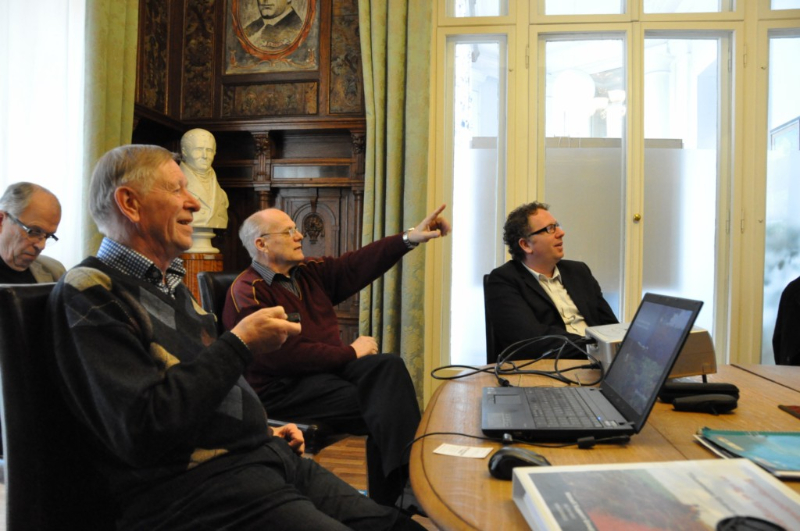
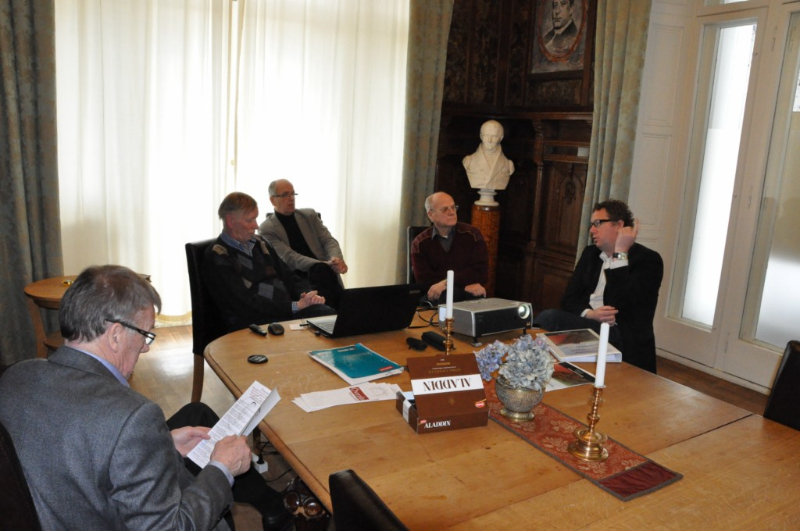
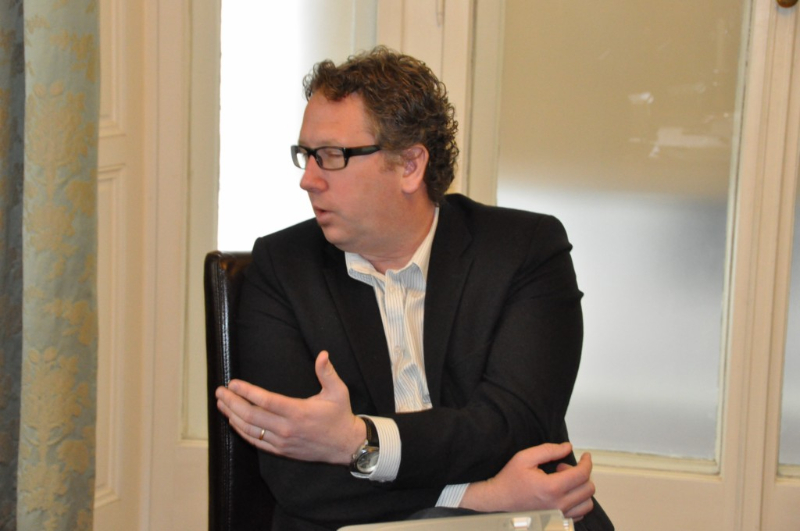
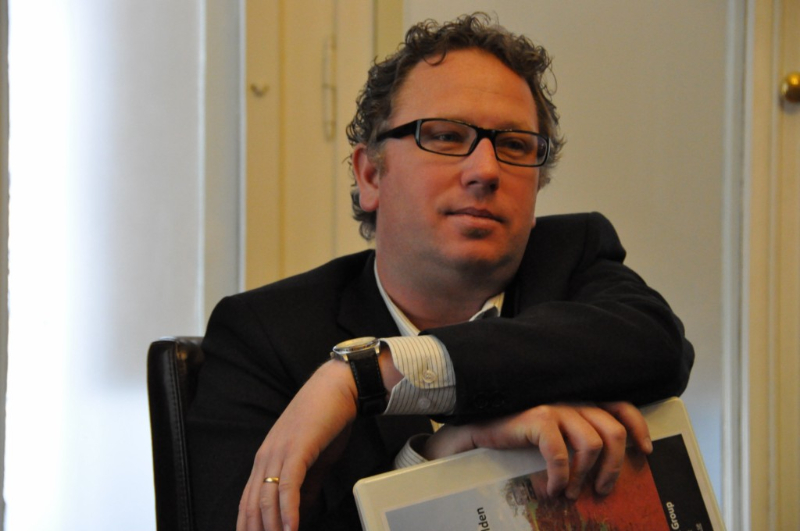
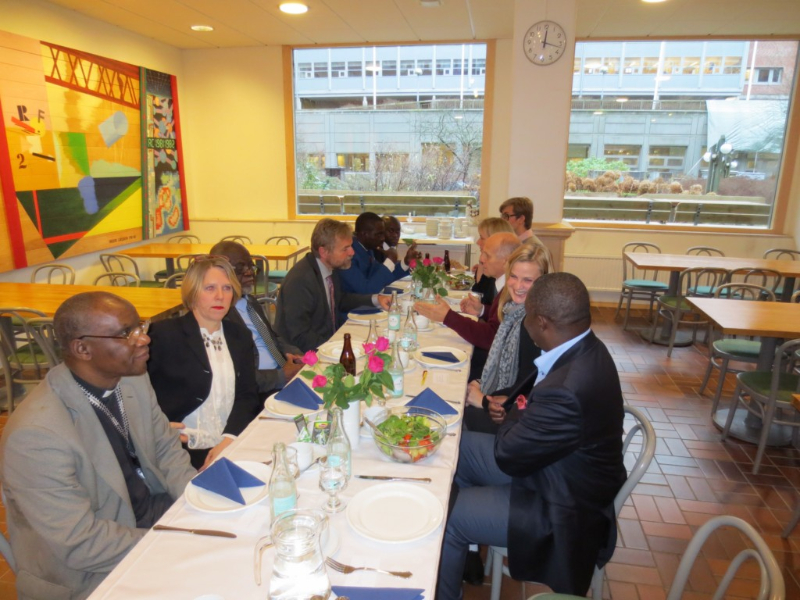
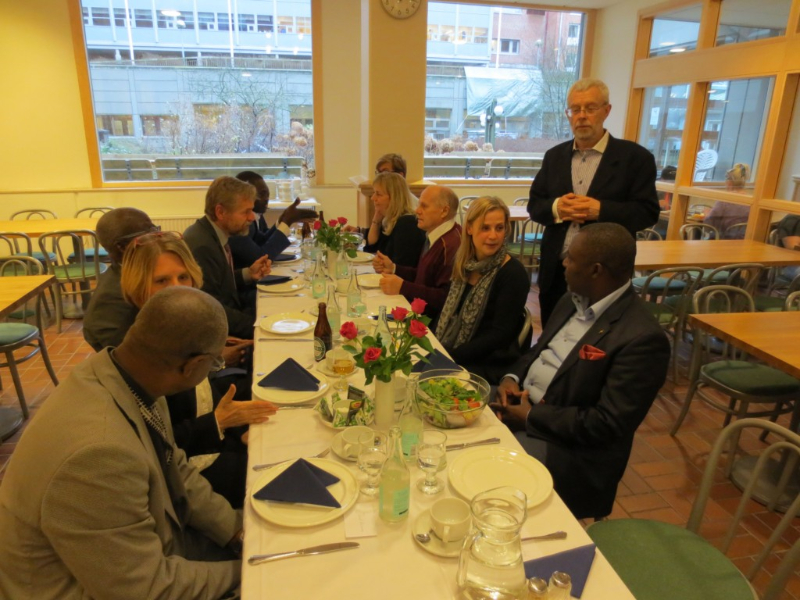
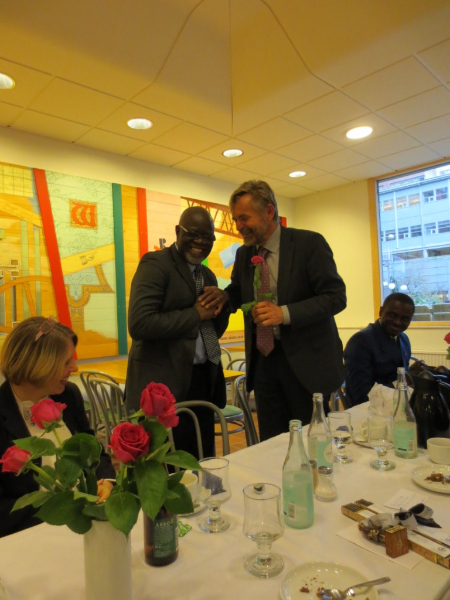
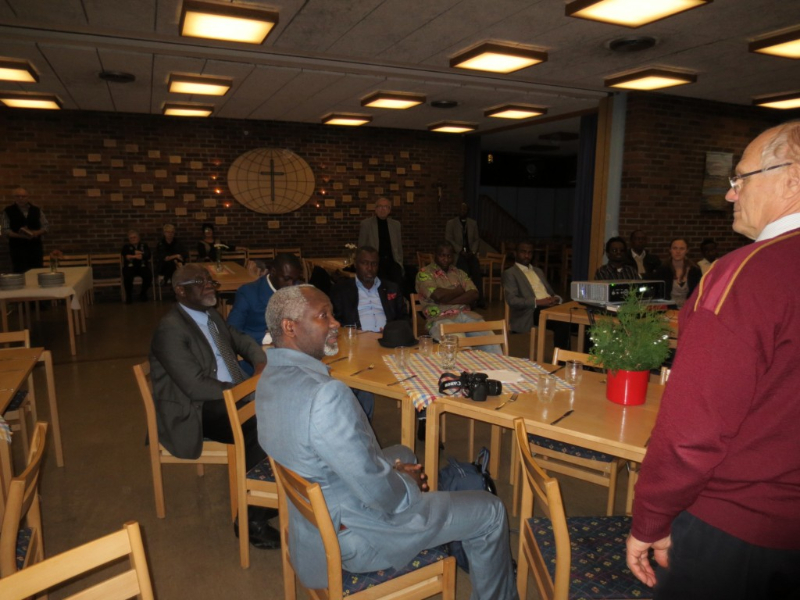
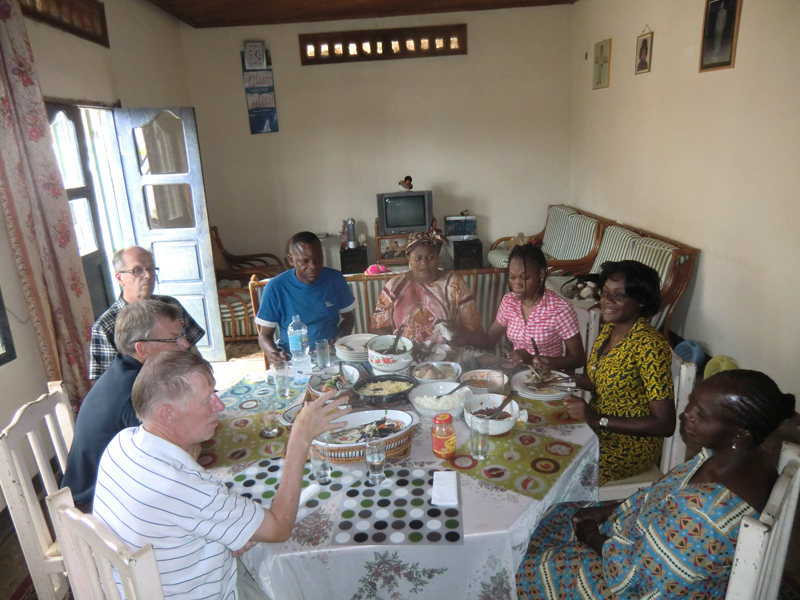
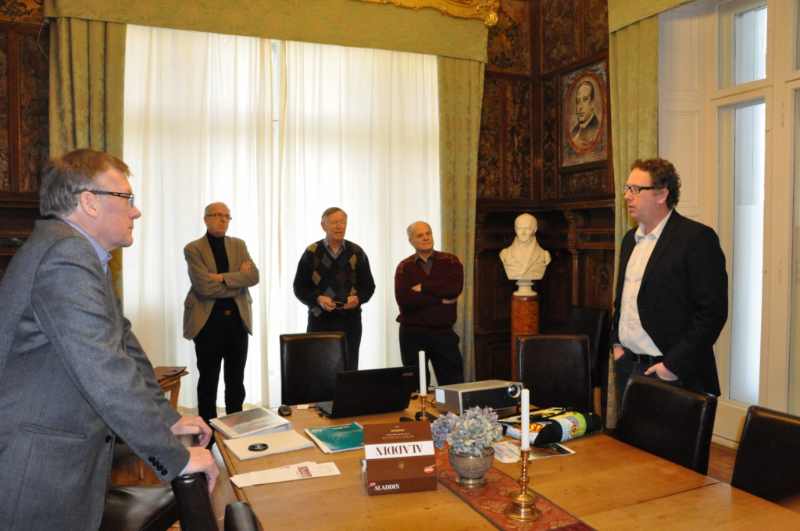
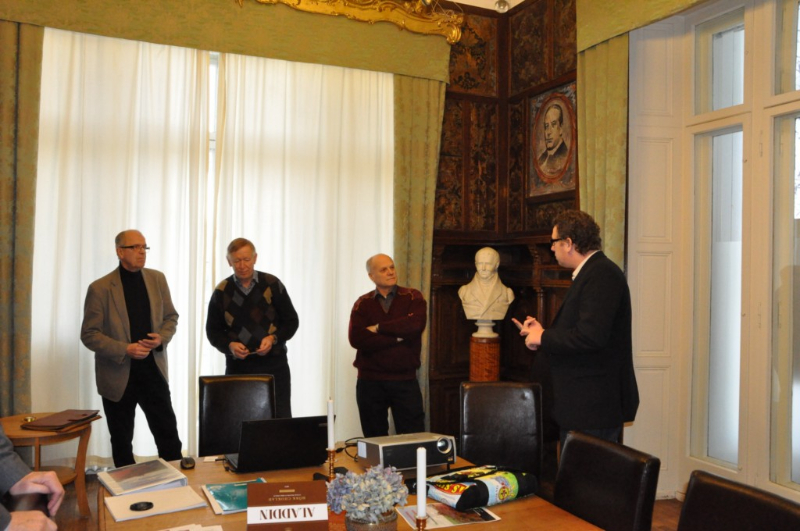
In the magnificent castle-like Dickson villa, we met Lasse Svensson, church leader of a new community called Joint Future. The building which the brothers Dickson built in 1864 reflects the owners’ status and importance at that time in Gothenburg. The building, which was later purchased by the Methodist church, housed their pastor training. And now, it has been handed over to the new church. Lasse gave us a brief summary of his own role and the two other church leaders’ role in the Joint Future church. He presented himself as the spokesperson, Sofia Camnerin as the theoretician and Olle Alkholm as the person running the office in Alby.

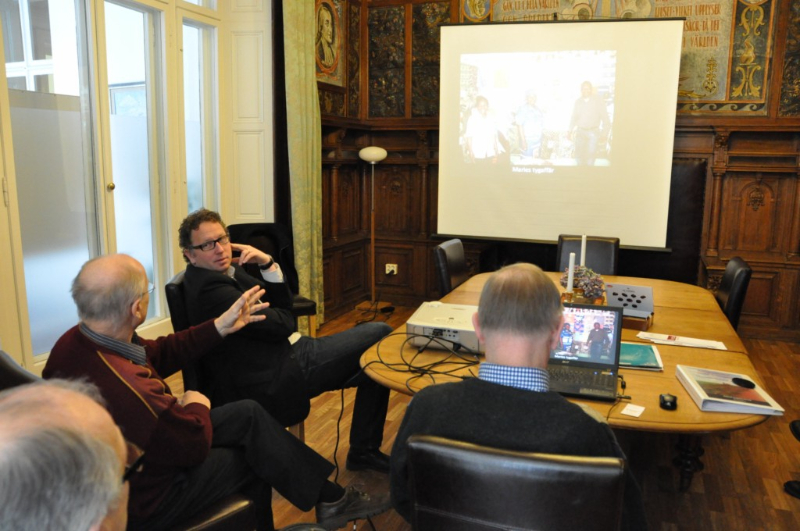
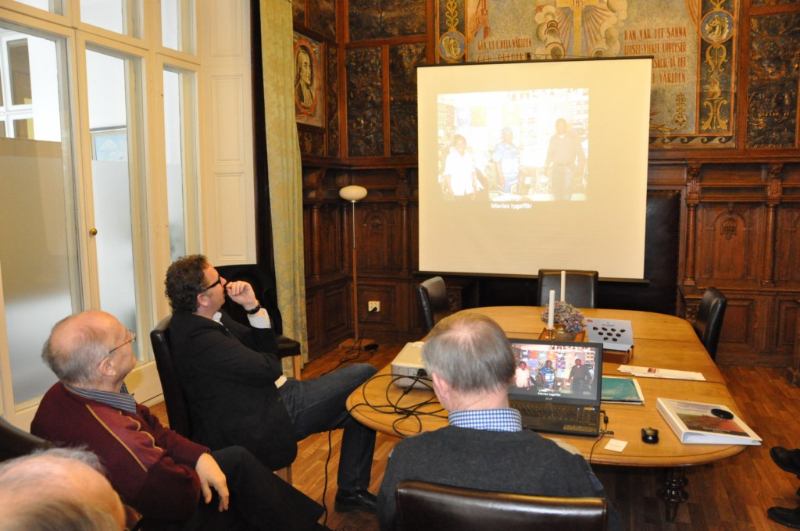
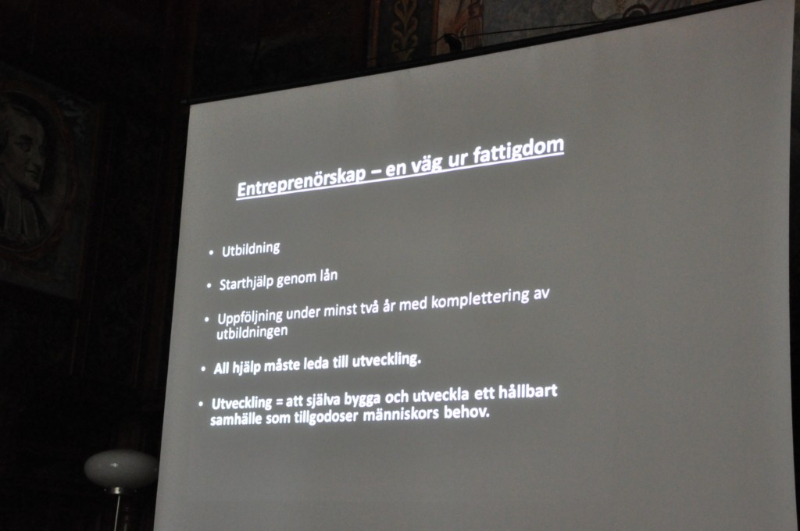
We presented MSG’s work using pictures mixed with text in a power point and provided a description of our work in Congo Kinshasa. Based on our presentation we had a constructive conversation on how you can work in developing countries, and the issues you have to face. Some of the points we raised were:

  • MSG’s role is to work as equals and communicate knowledge and experience in entrepreneurship, evaluation and assessment of business ideas and to arrange contacts with lenders who can lend on reasonable terms.
  • MSG imports innovations and delivers knowledge about them.
  • MSG is now invited by the government of Congo Brazzaville and have plans to take up consultancy, which mainly will be handled by the Congolese themselves.
  • There are many examples in Africa that show that donations and grants do not create development. On the contrary, it may create begging and inactivity. It may even have deprived the Congolese of their ability to take initiative and make contributions to a positive societal development. Donations has created a dependency on the donor. Our goal must be not to deprive the Congolese of the joy and satisfaction of creating and building themselves.
  • All help must lead to development. Development is when people locally through work and sacrifices generate resources and build a sustainable society that can meet people’s different needs.
  • MSG contributes with innovations, knowledge and experience, ensuring that loans will be given to the entrepreneurs. The Congolese contribute with work, sacrifices and application. When the two parts interact, it creates results.

We hope that the new church will be willing to cooperate, that we will find ways to work together and that we both can benefit from each other’s work, experience and knowledge. The church in the Congo, CEC, is very important for us and we have a very good cooperation with them on all levels.

This day, we also had the privilege of visiting Majorna´s Mission Church where we met Deacon Margareta Björn whom we told about our work in Congo.
Posted in MSG

Visit from Brazzaville

The visitors at the front of the High school Borås

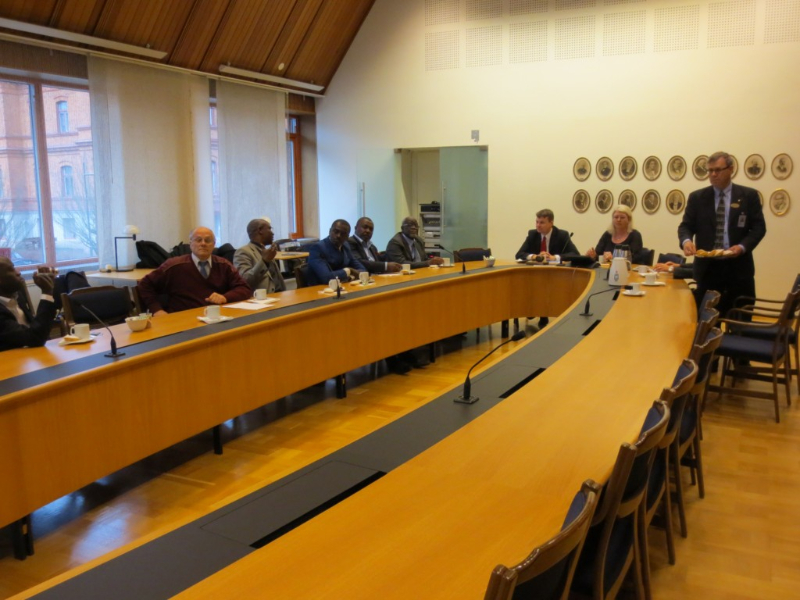
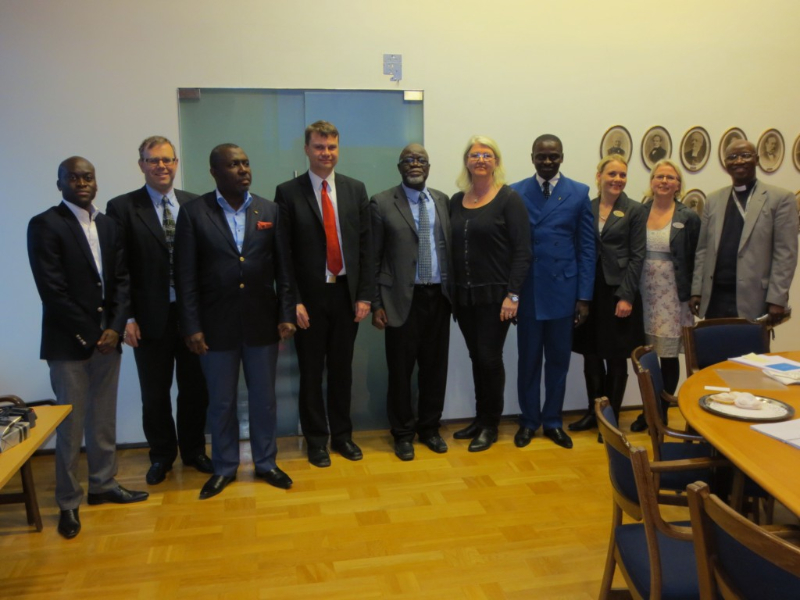
From Wednesday until Thursday morning we were visited by two members of the Congolese parliament, Annicet Goma and José Cyr Ebina from Brazzaville. The Congolese ambassador to Sweden, André Hombessa also came down from Stockholm. It was Judicaël Kessy from Point Noire, a former student at the University of Borås and now on a visit to Sweden that had contacted the parliamentarians. He asked Bernt and MSG to organize the day in Borås.

First, we visited the University and were well received by communications manager Sven Dellby. We had coffee and a “lussekatt”  with saffron while he presented the university. Then we visited the bio fuel laboratory, where we studied a household bio gas plant. When it was time for lunch the university headmaster Björn Brorström met up with us. During the meal there were speeches by the headmaster and Sven Dellby, and gifts were exchanged. The ambassador and Annicet Goma also held speeches. Bernt spoke a little about MSG and thanked our hosts for the tasty meal.

At 1.30 pm, we went to city hall where we met the parts of the municipal management of Borås city. There were municipal councils Ulf Olsson and Annette Carlsson, business manager Anders Glemfelt and related party functionaries. We listened to a presentation ot the city and we exchanged ideas about how knowledge transfer could promote development.

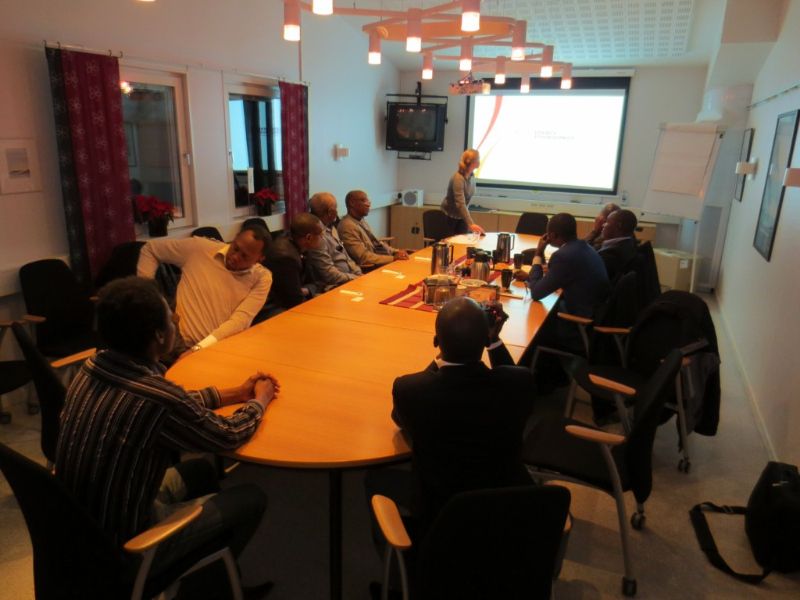
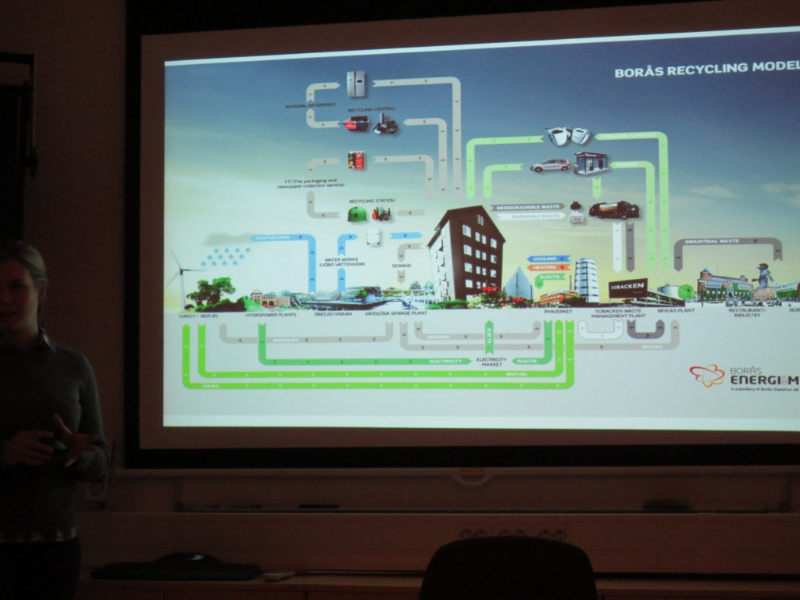
Then we visited Sobacken, the municipality’s major facility for waste. Linda Eliasson talked about how the system works using a Power Point, and she told us that know-how is exported to a number of countries in the world. Borås aims to become completely fossil free in the future. Truly an impressive facility that is in the forefront of waste recycling.

At 5:30 pm it was time to gather at the Immanuel Church. In addition to our guests from Brazzaville there were about twenty African-Swedes from western Sweden and about as many native Swedes. Renee, Barbro and Ritva had cooked a delicious supper for us to start with. After that we presented MSG’s work in Congo and related issues and at the end we had coffee and gingerbread. Our friends from Africa then had a private meeting.

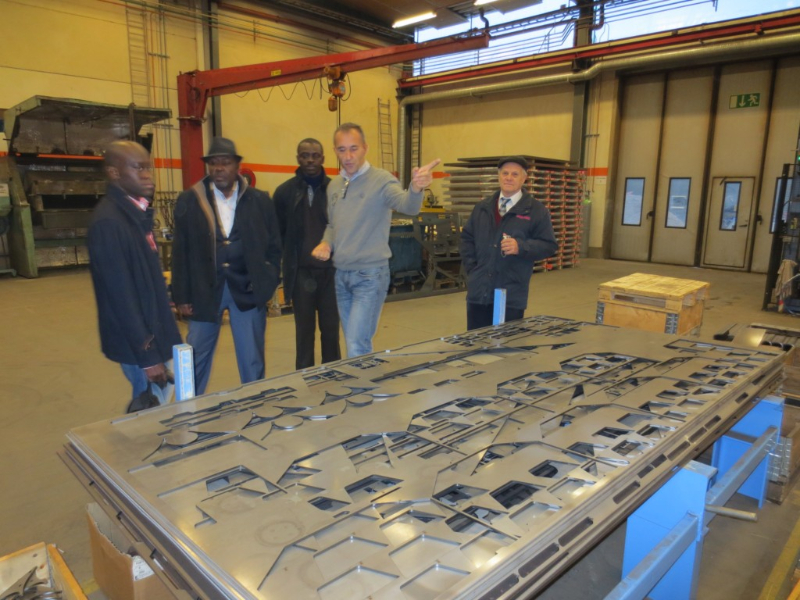
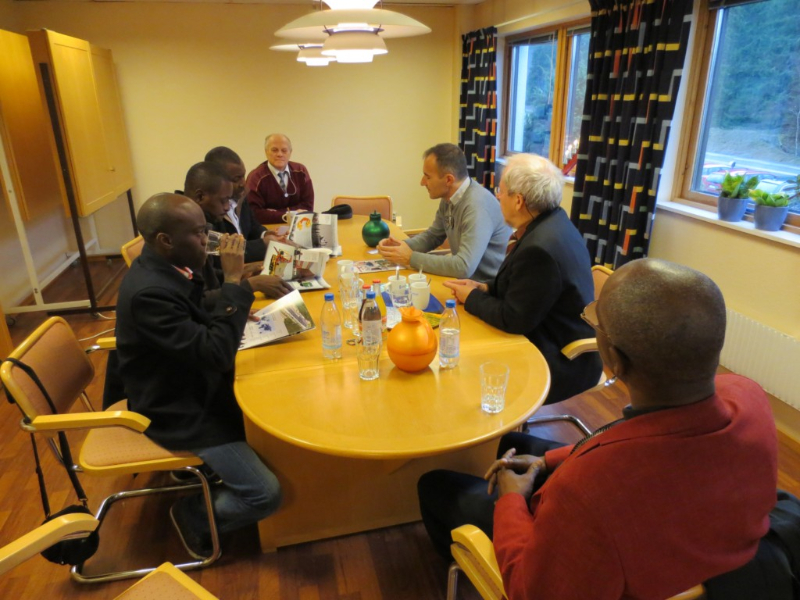
On Thursday morning we visited the factory Hammar Maskin in Olsfors. We were given a detailed tour of the production in French and in Swedish and we studied how container lifts work. CEO Bengt-Olof Hammar and his French-speaking employee then concluded the visit with a review in the office where we also received brochures and other information. Then Bernt drove our visitors to Landvetter airport for onward travel to Stockholm and Italy.

Interesting contacts were made during these days that will surely result in different concrete projects.

Posted in MSG

Returning home

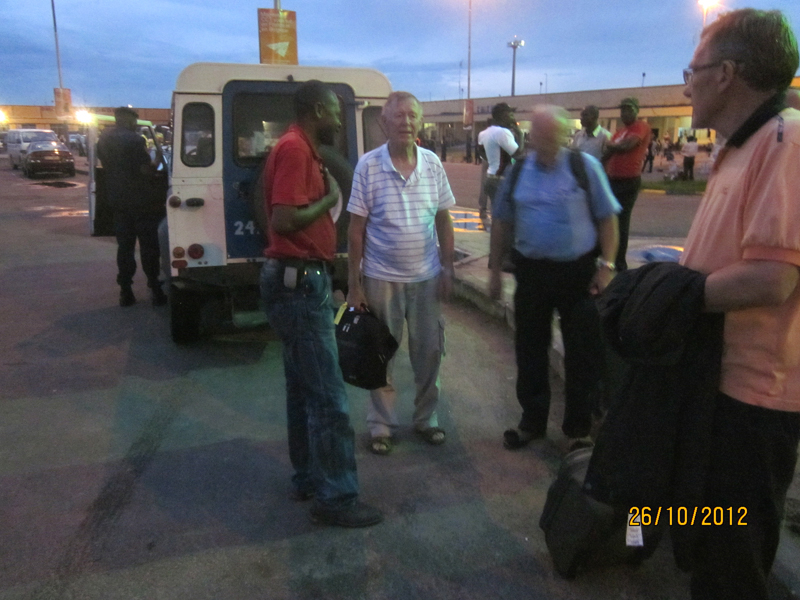
The driver José with his happy travellers

The driver José with his happy travellers

At 5:30 a.m. Therese had breakfast ready for us. It consisted one of the best porridges ever, bananas, tomatoes, tea and bread. At 6 a.m. we said goodbye and left with 220 kilometers ahead of us to Kinshasa. The road between Kimpese and Kin, short for Kinshasa, is 6 meters wide and paved. It is one of Congo’s most important roads. Virtually everything imported will travel on this road. Vast amounts of trucks pass here every day. Many trucks are new and modern, but there is also vehicles on four wheels with less reliability, which are repaired along the way whenever they refuse to move on. The trucks carry all the necessities to the 12-million capital Kin, and sitting on the top of many truckloads, as the icing of the cake, there are people traveling to the big city to do business and try their luck. Usually, there are also animals in the load. On the tarpaulin on top of one truck’s load there was a goat tethered with a rope. It seemed to feel fine fine, and it had a good overview of the fellow commuters. There were other goats who were less lucky. We saw four who were tied together on the rack of a motorcycle. Bernt said that the reason must be traffic safety. So be it, but I don´t think anybody would like to be tied like that.

On the trip to Kin, we passed a number of towns and cities: Banzagungu, an administrative center with law enforcement agencies, Inkisi where Mr. and Mrs. Mangikulua live, he – Damas – is a pastor and an entrepreneur, she – Aline – is also an entrepreneur. Both are engaged in MSG’s activities. Kikonka, a large marketplace. In Congo, the vast bulk of food is distributed through the markets. Pont Ngufo. Madimba, where Daniel Bimpe, a blacksmith from Luozi built a factory to process manioc, which can be refined into a variety of products. Kasanjulu, also a large marketplace. Eventually we passed Luila before we reached the big city. Kin is really large-scale in terms of both population and area.

At 10.30 a.m. we arrived at Nzo Binati, where we met Christopher and Tutondele. Christopher has been in Luozi for four weeks and taught judo to three groups totaling 62 students and three teachers. All groups practiced four times a week. Christopher was interviewed on the local radio about his activities and he had become friends with the church superintendent Edi Diafuanakana, who often came to watch the training. Edi gave his blessing to the enterprise.

We checked in our luggage at the Air Brussels Office in town. Yapeco bought us a takeaway dinner, we went back to Nzo Binati and had our dinner there. Then we drew up a contract between Tutondele, Yapeco and MSG. The agreement regulates how we will work with the import of solar lights. For example we went through what collateral the Congolese and the members of MSG will put up. When that was done as well as some other paperwork, José came with the police car, picked us up and took us to the airport Ndjili. It’s an asset to have this acquaintance, a skilled driver who makes his way in the most impossible of traffic situations. It took us one hour to travel the three kilometers to the airport.

At 8:45 p.m. the plane took off. This time it went directly to Brussels, a flight time of 7 hours and 40 minutes. It was a very pleasant trip. When we got over the clouds the moon shone full strength. At 10:30 p.m. we had the second dinner of the day. Then it was time to sleep, but that was a difficult task.

Posted in MSG

We are leaving Matadi

On our way to Kimpese

On our way to Kimpese

Early today Samuel Nkailu came to say goodbye. We have met him every day this week. He has come to unlock the door for us at the Youth House, and every day he has stayed for a while, listening to the training of the entrepreneurs. He is now 76 years old and it is 51 years since he first came to Sweden. At the residential college of South Vätterbygden, Lennart, Bernt and I went a year in the same class as him. Samuel has a positive disposition and appears to be in good health. Bernt and Lennart have decided to together pay Samuel $ 30 per month because he takes care of the Youth House. The premises suits our activities very well.

When we walked to breakfast Julienne picked up a windfall, a fruit called beef heart, in Kikongo Ntima Ngombe. The tree grows along our pathway. We had this particular fruit for dessert the other day, it has a slightly sour taste, a new taste experience. The meat is white and quite tough. One must strive to masticate it, it is almost impossible, the last bit has to be swallowed whole. We ate a hearty breakfast of porridge and eggs and it felt good to gear up for the trip.

At 11:30 a.m. we left Matadi and we arrived in Kimpese by 2.30 p.m. Yapeco is our driver. After a stop at a toll, the engine didn´t start again because the battery was too weak. And because this is an automatic car, it cannot be started by pushing it off. Yapeco is prepared for many surprises, he took out his jumper cables and some guys pulled up next to us with their truck. They had to work hard to get off the battery cover, but they solved it, interconnected the cables and the engine started. While this operation was going on, we had at least ten vendors around us who eagerly offered fruit and various other things. Along the way, we could see a lot of large mango trees. There is plenty of fruit for the vendors, and it is just beginning to mature.

Halfway to Kimpese, we made a short stop and parked under a mango tree. It gave us the much-needed shade. We drank the Congolese soft drink Djino that I had kept by my feet. All other spaces in the car was filled to the brim. Unfortunately, we could not turn the heat off, it came in abundance and it had warmed our drink significantly, plus the fact that my legs got slightly overheated. Bernt claimed that he had never drunk such a hot soft drink before. Although the Djino was maximally heated, it quenched our thirst.

Here in Kimpese, we are staying one night with Nganga and Therese, before we go on to Kinshasa tomorrow. Shortly after our arrival, Thérèse served dinner. Afterwards, we visited our local representative Emy Miantezila. He told us about his activities and commitment. As I have written about before, he takes care of homeless children and gives them an education. He runs a library and an Internet café in Kimpese. He bakes bread and he is the Chairman of the Gothia Sportcenter, a football project in Kimpese. The football project will go on for three years, and is currently on year two. The project is funded by Sweden, but after the end of the project period, it will be funded by other means. He has an agricultural project of seven acres that creates the livelihood for families and school fees for the children. Emy had collected the reports from the Kimpese entrepreneurial course. We’ll take them and go through them eventually.

Posted in MSG

Expiration date

Nya entreprenörer

The teachers at the secondary school Baobab

Today I started at five o’clock with office work. By then, the activities were already in full swing on the parking lot outside. Overnight, around thirty cars are parked here inside the walls. And every morning, a dozen men make the cars shiny both inside and outside. They also perform certain car service. Some Congolese are very particular about the car being clean, others are less scrupulous. For them neither a car wash or a polish would help to bring up the shine. Best before day of their vehicles is long since passed.

Bernt, Lennart and Lars-Ola took care of the morning session with the new entrepreneur group, it is the third day today. They went through the sales budget, the investment calculation, and then the total budget for the entire company. They also taught them our accounting system. Yapeco and I went through the agreement we have between us. We also looked at some computer software. 10.30 a.m., Yapeco and I got soft drinks and biscuits for the entrepreneurs, they needed a little break in the heat. When we came to the Youth House, Bernt was talking about the budget. When we arrived with the snacks Bernt felt he was being rejected, he said. He had to quit right away. Who can resist a cold soft drink in 30 degree C heat, you can’t beat that offer. Competition is good. Ability gets a chance to prove itself when there is competition.

At 12:45 p.m. we went to Augustine for dinner. A bit far to go in this hilly city, but it is well worth the hardship to come to a such a fine home and besides, eating is valuable. Then we went back to the Youth House for the second round with secondary school teachers. At 2:15 p.m. we were 15 minutes late. Luckily, the teachers applied the academic hour. No one had come when we arrived. They dropped in gradually, and after half an hour everybody was present. In addition to the principal and assistant principal, the Chairman of the CEC’s school districts in Matadi had come too. The interest seems high for a business program of this kind, and it will be interesting to see if they manage to get it started. We will support them along the way.

Then we had a coffee break and prepared to visit an entrepreneur. Unfortunately, this is an entrepreneur who has caused us some concern. Last week we terminated his loan due to fraudulent behaviour. This Monday, he claimed he would come and repay the loan. He failed to appear. Now we will activate his entire team to get him on better thoughts. We are hoping for strong persuasion abilities within the group. His debt is the debt of the whole group through the guarantee.

So it’s time to crawl under the mosquito net the last night in Matadi. We think we have accomplished a few things, and we feel ready to leave.

Posted in MSG

The rain comes

Much awaited rain in Matadi

Much awaited rain in Matadi

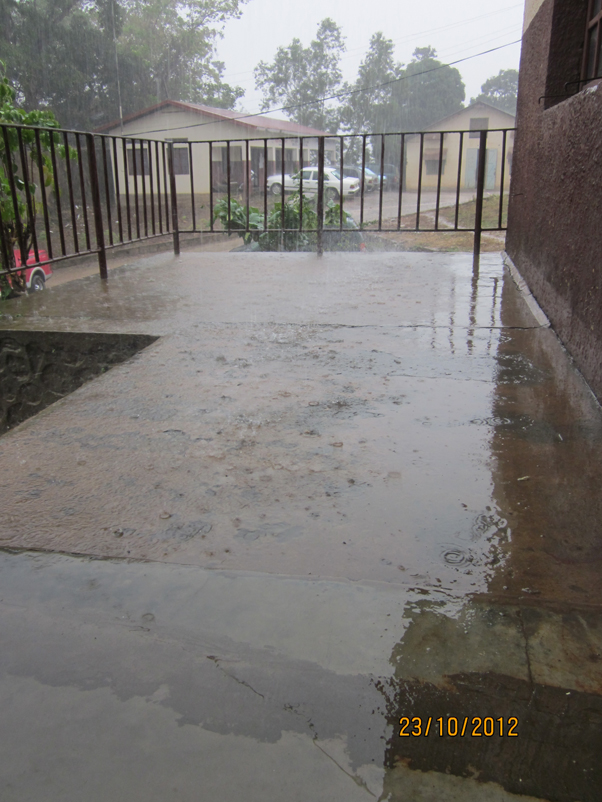
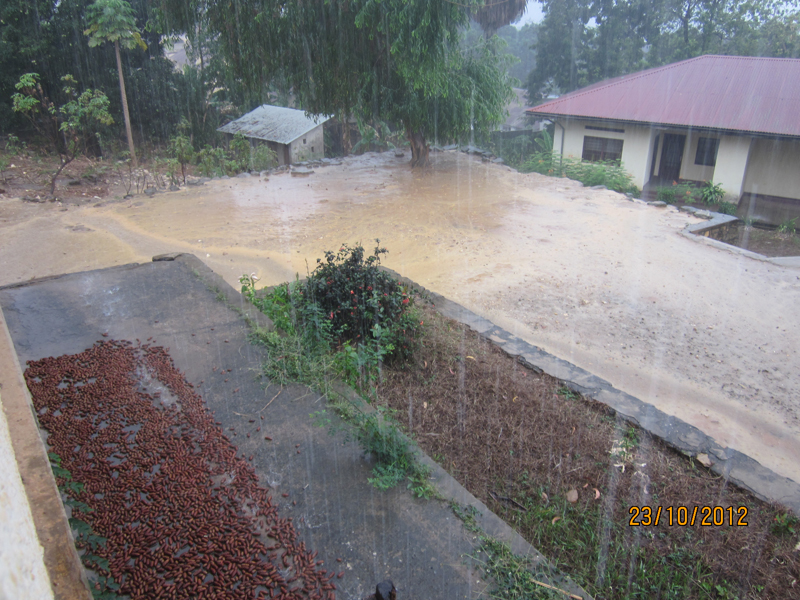
When I asked for suggestions for today’s title, my companions put forward the above. Democratically, we voted on the title and the decision was unanimous. Lars-Ola said that all our decisions must be democratic because we are in the Democratic Republic of Congo. Applied democracy may not be common among those in power in this country. But no matter who exercises his power in Congo, the rain came today. It is fortunate that no man can control the weather. I believe that we got 50 mm of rain over a period of a few hours, and also at the Nsanda fields, it has been raining abundantly. It has rained almost all day. Clement and Jima was out picking pili-pili. They got soaking wet before they could come under cover. The rain is eagerly awaited, finally the plants will begin to grow. At 25 – 30 degrees C and rain they will grow like mad.
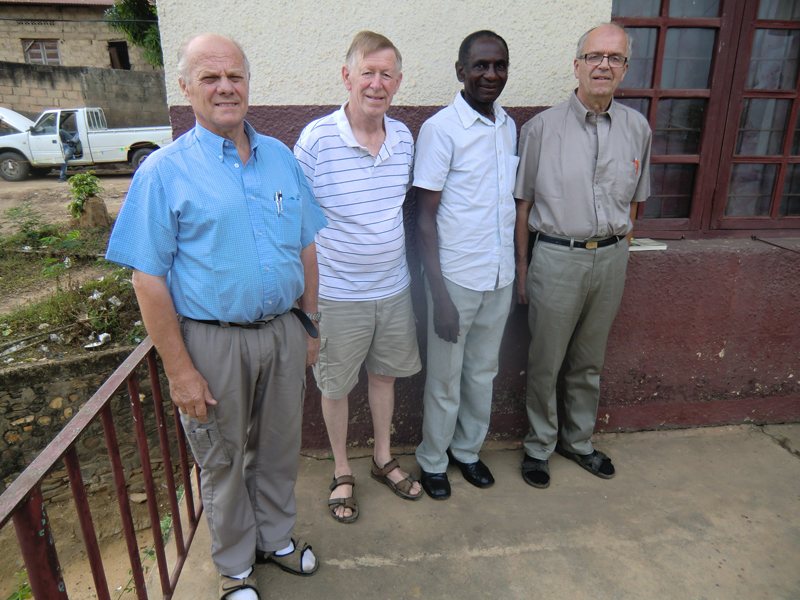
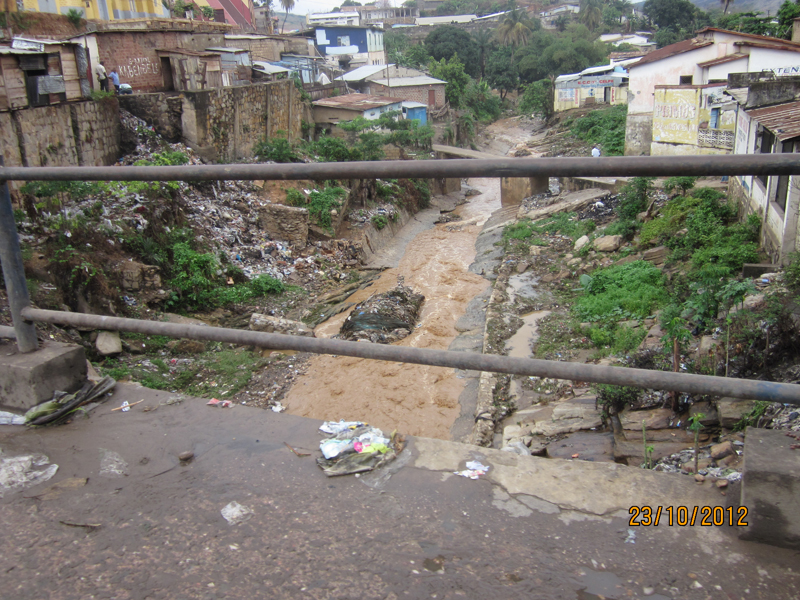
The small rivulets of the many valleys here in Matadi now became violent rapids. Most garbage and waste that had been accumulated during the dry season now got momentum and certainly, many of the streams empty their waste in the Congo river. Other streams leave the garbage in droves in the streets, and we cruised between some of them on our way to dinner. Waste management is an important thing. We hope that Boras will be able to export their knowledge of waste management to the three cities Luozi, Kimpese and Matadi. Although it is certainly more expensive to have garbage trucks handling the transportation of waste compared to letting nature take care of it, the cities would be much nicer and cleaner.

At 9 a.m. we started the second day of training as it should be, with a prayer. Then, some of them reported their homework, the production estimate. Samy reported his paint manufacturing and when we compared his manufacturing costs with the competitors, his profitability seemed good. Lelo has a farm of 35 acres. On 15 acres she usually grows cassava, soybean, corn, peanuts and bananas. She reported an estimate of a banana plantation of 1 hectare with 200 banana trees. She figured she would get 220 banana stems. She had made a well-implemented specification on the various stages of land preparation and planting to harvest. I wanted her to specify a price per kilo, but she preferred to report the banana stems as a result, and we had to leave it at that. Simon was supposed to make a spreadsheet on his taxi business, but he is no natural friend of calculations. He rather wanted to wet his index finger, hold it up and feel what way the wind is blowing. Myriam took special care of him and got him back on track. I attended the training until the coffee break at halv-time.

Bernt and Lennart led the second part of the training. They talked about the characteristics of an entrepreneur and the challenges you meet as an entrepreneur, then they went on with the sales budget and the investment calculation. They met a lot of interest from the participants, they did not want to stop when the time was out. They had so many questions they wanted answered. At home, I dealt with paperwork and prepared agreements we will sign before we leave for Sweden.

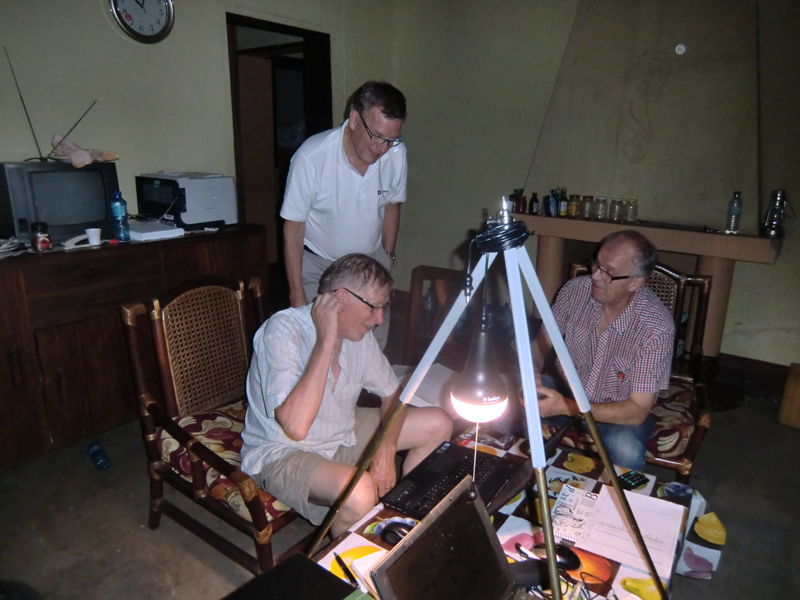
At 5 p.m. we had board meeting in MSG, an extra one. We were not quite the full strength but full quorum. It felt good to have a board meeting here. We went through the details of the container delivery and the solar cell lights. We talked about how to deal with contractors who say one thing and do something completely different. Luckily, it’s only a few who are causing trouble and lots of work. We have learned to be more careful when granting loans. Some will not get any loan, they are not mature to handle it, but most Congolese are honest and want to do the right thing, that’s our experience.

Posted in MSG

MSG in TV broadcast

New entrepreneurs

New entrepreneurs

Today, Yapeco brought Augustine’s cousin Astrid to our afternoon meeting on the patio. She told us that she had seen us on a local TV program yesterday. The footage came from our visit with the Mayor. At the time, there had been a number of journalists who filmed and interviewed. Lennart had explained the activities of MSG to them and Julienne had translated. Lennart has thus become something of a TV celebrity in Matadi. We always value the free advertising. There are few mundele in this town which makes us easily visible. People often cry out “mundele” when they see us. I am a little unsure of what the word really means for and what it stands for to a Ndombe. In any case, they do not seem angry when they say it. At our patio meeting we went through the pricing of the goods in the container that will come on 28 October, and of solar cell lamps that will hopefully get here by the New Year.

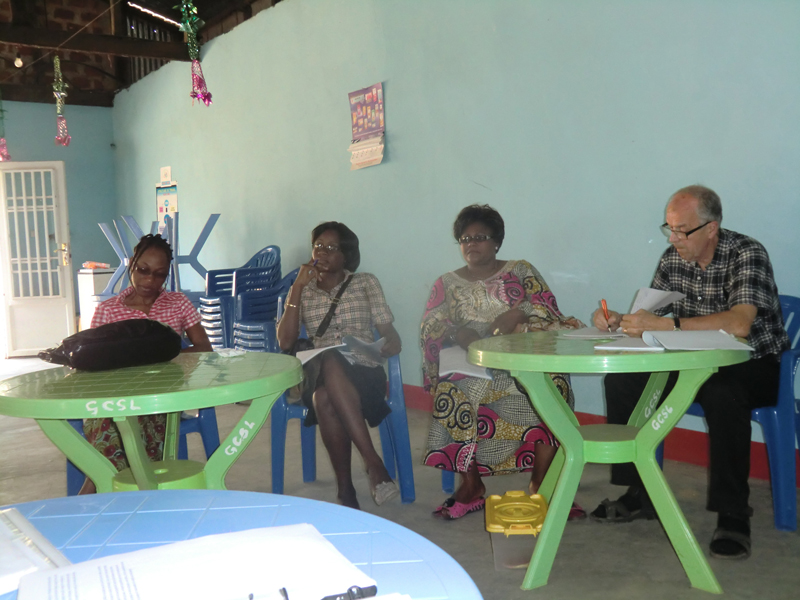
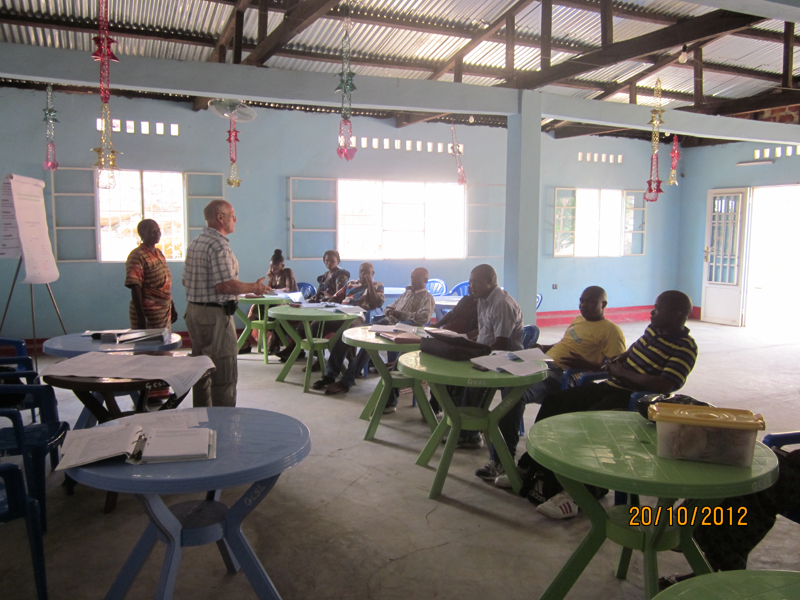
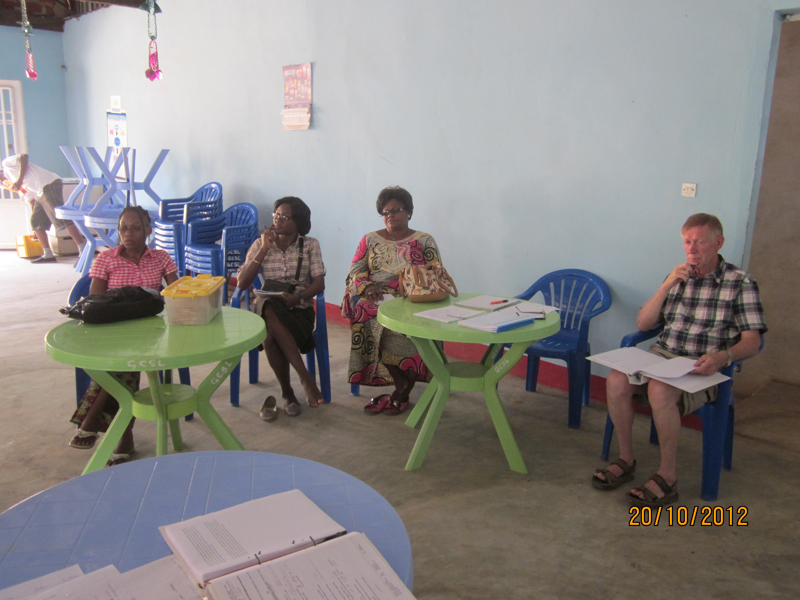
We met a new group of entrepreneurs at 9 a.m. in the Youth House. Unfortunately, we got a lengthy start, it took almost an hour for the last participant to arrive. He will now have to sprint to catch up with the rest of them. We started with the traditional prayer, switching off mobile phones and then a presentation. Julienne went through the 30 items of our concept. Then she talked about marketing and costing, and they received their first homework.

Today was probably the hottest day so far, 39 degrees C, according to Astrid. We northerners do not feel very well in this temperature. Work capacity drops significantly, and even to the Congolese this is on the warm side. For dinner today Augustine served spareribs, rice and french fries, fried bananas and vegetables, and a fruit salad for dessert. She wants us to have goodies to our afternoon coffee, so she sent a jar of goodies with us when we went home. After returning home, as usual, a siesta, then paperwork, calculations and preparation.

Posted in MSG

A little out of the ordinary

Lars-Ola and Lennart in front of the Baobab Church

Lars-Ola and Lennart in front of the Baobab Church

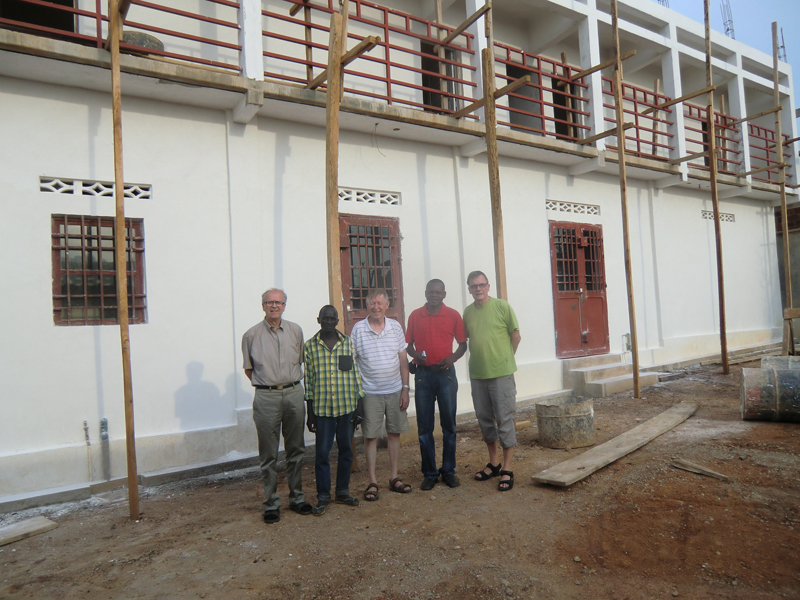
Sunday is the day to go to to church in Congo, at least here in Matadi. Most market stalls along the streets are empty today. We arrived at the Baobab’s Church at 9.30 a.m., when the French service still were going on. We sat down in the shade and waited for our turn. We were going to attend the Kikongo service which began at 10 a.m., a service that is much more crowded than the French. After one hour the church was full, we were somewhere between 400 to 500 people. The whole first hour is devoted to gathering all the participants. This is a Congolese tradition, the academic quarter is extended to an hour here. The soft start prevents you from having any stress when you go to the church. Stress is not an especially developed concept here, the clock doesn’t chase you, you have time. Today’s church service was completed by 1.30 p.m. No one was in a hurry to get home. Sunday dinner may wait, it is more important to meet and socialize.

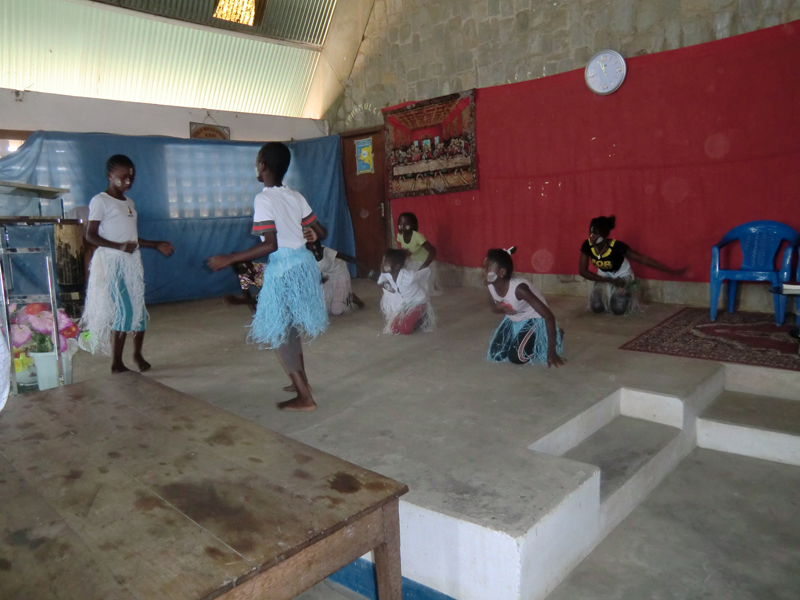
Today, one hundred Sunday school children assisted throughout the service. The children’s choir sang two songs, directed by two girls, about 10 – 12 years old, who took turns. It was interesting to see how they conducted the singing, just like the grown-ups. One group of children performed a dance dressed in grass skirts and cheeks painted white. We believe that the dance would reflect the history of Congo. About twenty children went up one by one and read Bible verses. First they curtsied and told the audience which Bible verse they were about to read before they started. One child listed all the books in the Bible, 66 in number. Another one read all the Commandments. All was read by heart, and everyone was applauded and duly appreciated. The children remained in the church after the service. The church invited the children to dinner today, this is done once a year. Fifteen Sunday School teachers were also there, half of them still teenagers, and all of them got encouraging words from the pastor
Six different choirs sang and they had different themes for their songs: Jesus is the way to eternal life, help me to not lose my faith, Jesus will save us, Love your children and be fair to them. The collections took almost half an hour and was as usual everyone walked up to the front of the church singing and dancing.

Pastor Edi Matthieu asked us foreigners to come up to him. We were four Swedes, two from Congo Brazzaville and our interpreter Julienne. We introduced ourselves and I conveyed greetings from Blidsberg and Hökerum. I also talked a little about what we are trying to develop in the Global Groups of our respective congregations and the different ways to enhance the contact between the Baobab and Blidberg – Hökerum.

The preacher was a young man called Ozias Mawasa. He talked for 45 minutes. The interpretation was a bit difficult, so his message went past us. Prayer is also an important part of the service. Most issues can be lifted up in prayer to God. Announcements also takes time, everything that happens in the church is notified. Here you get the news. Other, more general news are rare. This had been a church service a little out of the ordinary, with a lot of content and joy.

Afterwards we took Sunday dinner with Augustine and Yapeco. Another rooster had been sacrificed and was today served with rice, spaghetti and vegetables, and fruit salad for dessert. Luckily Augustine has many roosters in the henhouse. A tasty meal.

At four o’clock we were back at Lisanga and we took a siesta for one and a half hours. The siesta makes wonders during the hours of oppressive heat. Lennart and Julienne fixed the afternoon coffee with bananas and Marie biscuits that Lennart has a large stock of. A far-sighted man who is an asset to the club. Augustine had also been foreseeing and sent with us American pancakes. In addition to snacking, we made some preparations for the training of a new group of entrepreneurs that will start tomorrow.

Posted in MSG

Teachers in the classroom

Education for school teachers

Education for school teachers

After a hearty breakfast of porridge, eggs and Kalles caviar, which Lennart had brought to Congo, we gathered to prepare for today’s training of secondary school teachers. Bernt and I split the teaching materials between us, and Lennart made some additions to it. At 11 a.m. we walked the 500 meters to the Youth House to make preparations. Some communications had clearly not worked, because we were facing a locked house. After half an hour we went back home and had coffee and a snack.

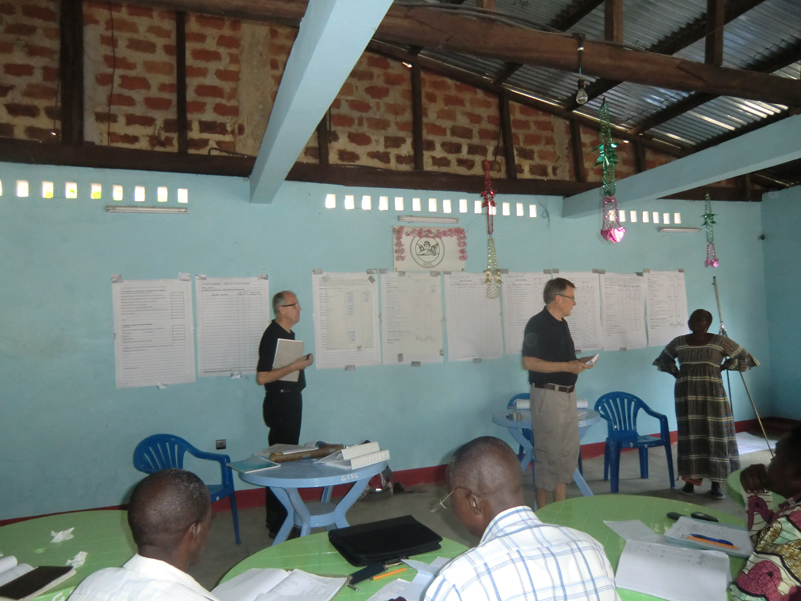
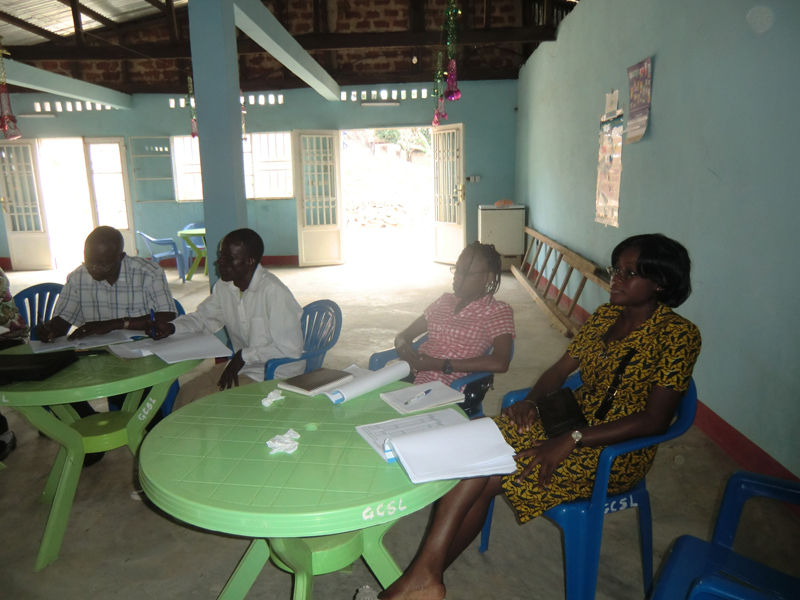
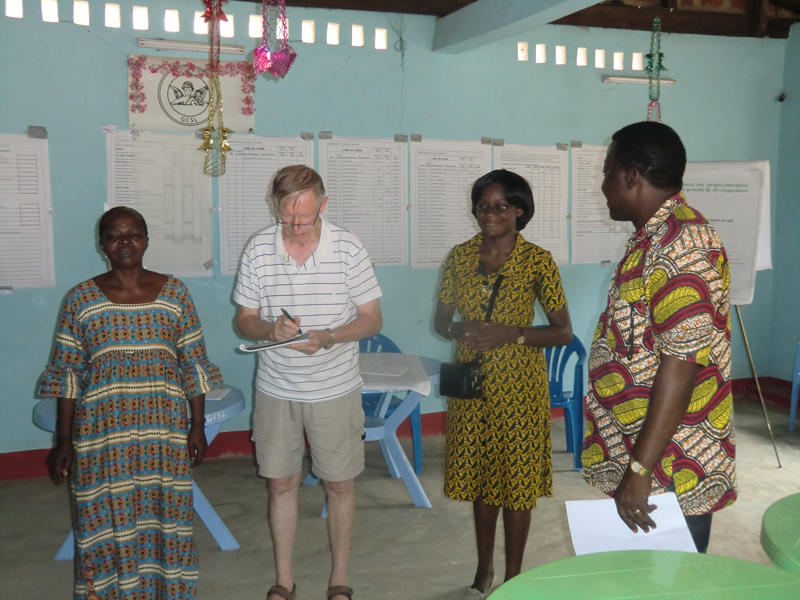
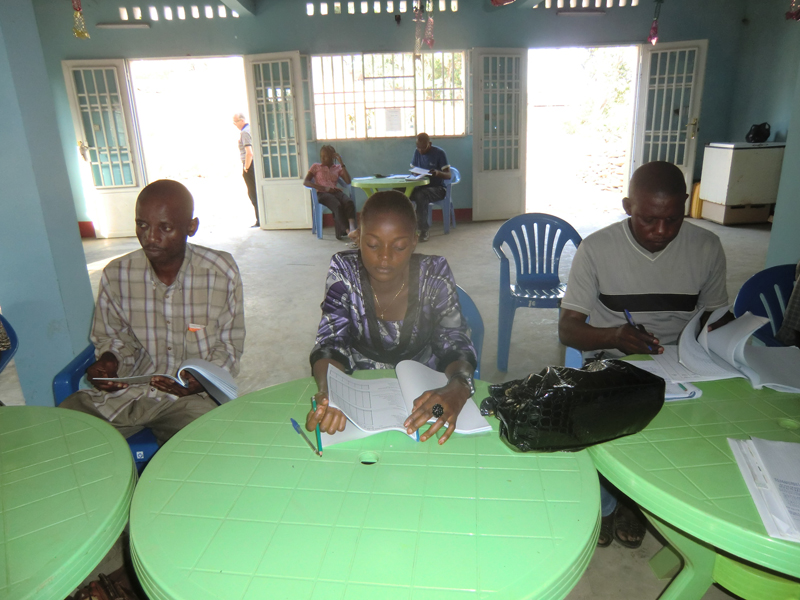
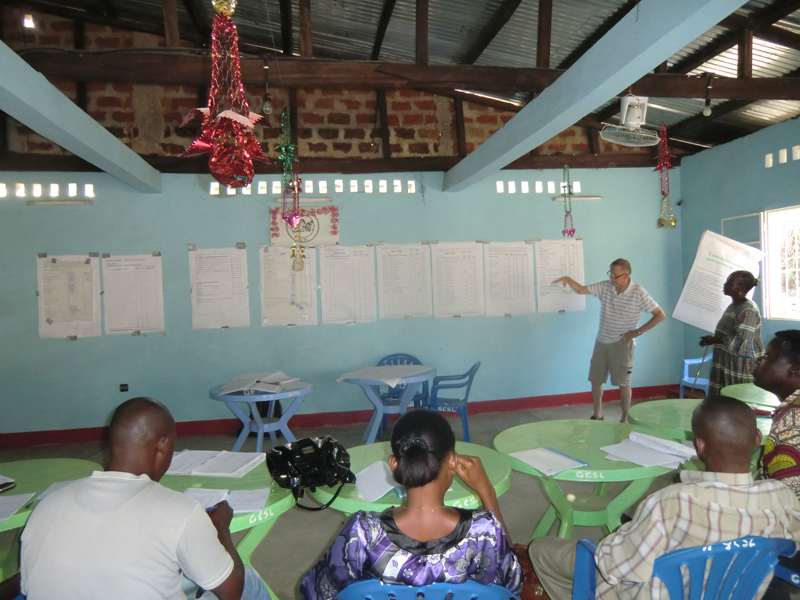
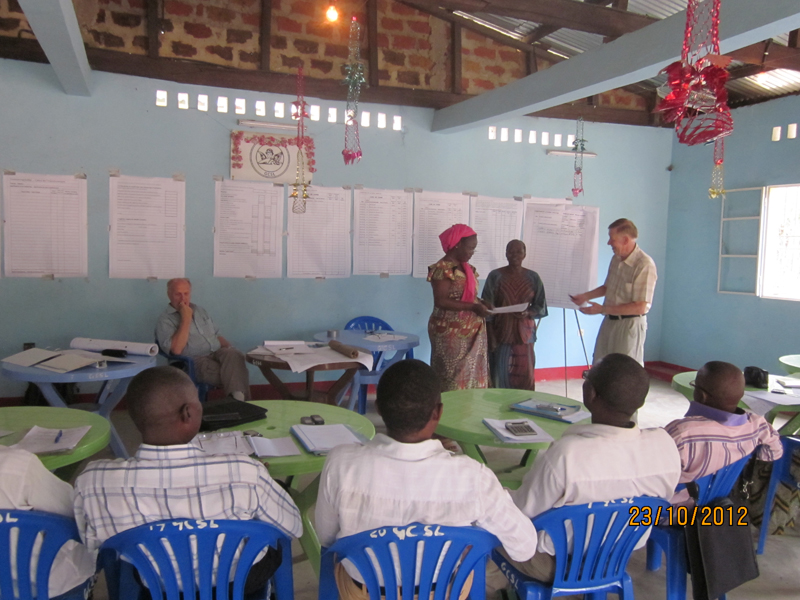
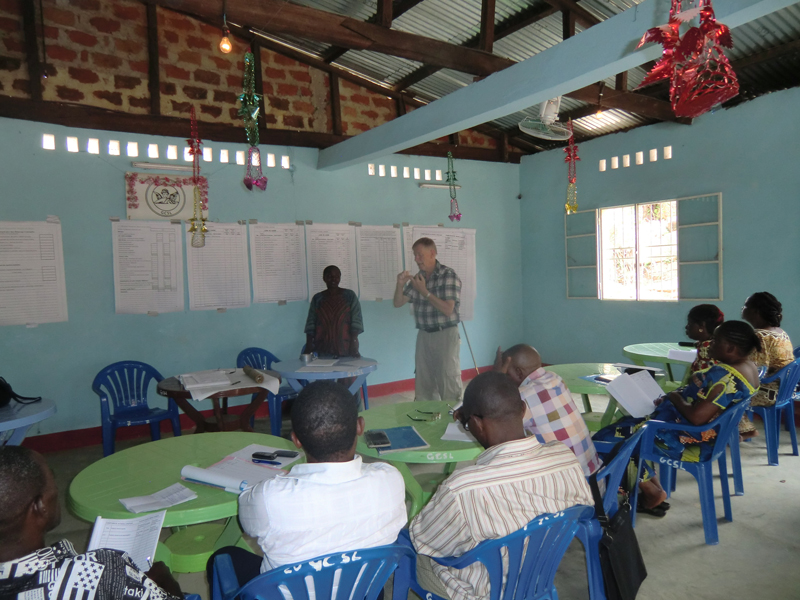
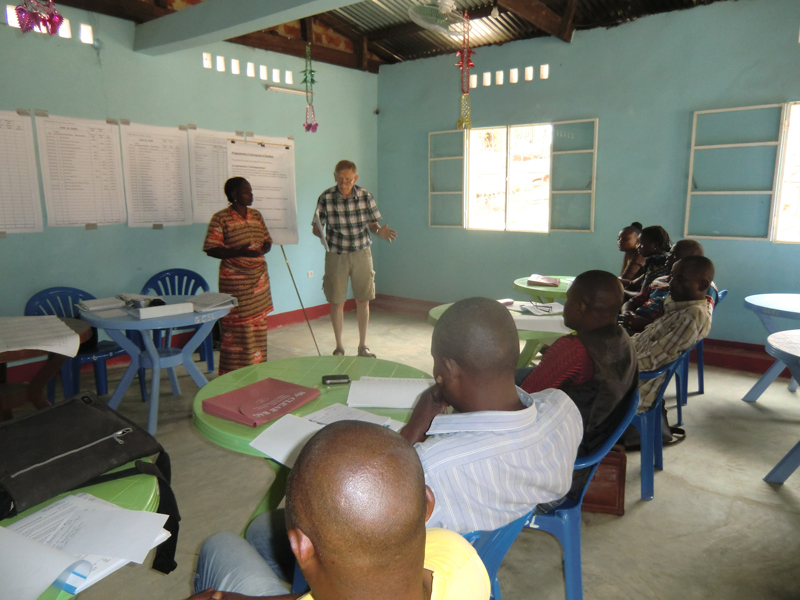
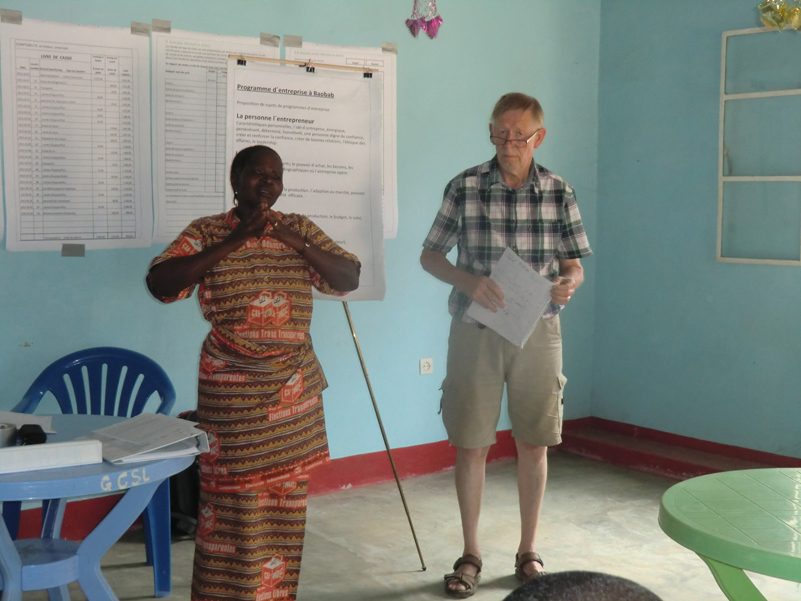
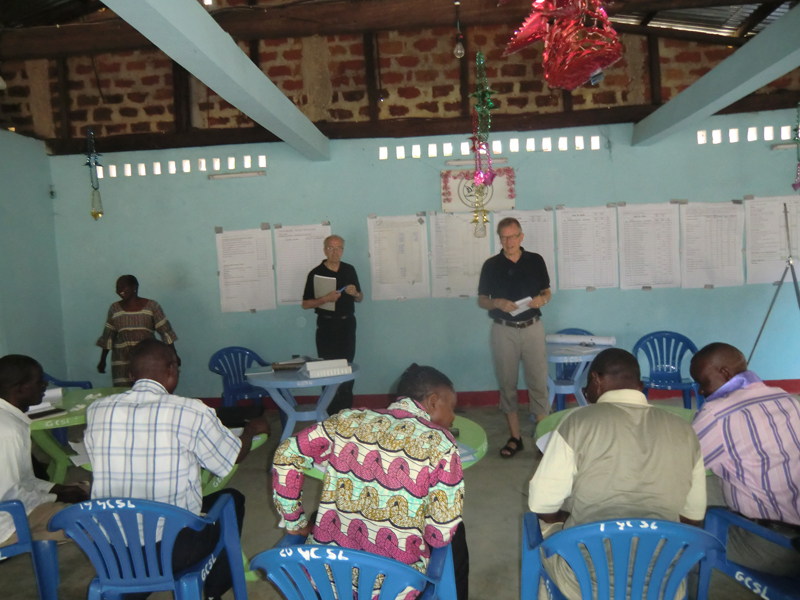
At 1 p.m., the course were going to start. We were there ten minutes in advance and put up our material. Seven teachers and the headmaster came and we had three prospective volunteers who participated. The volunteers will hopefully take over the training of entrepreneurs eventually. After the usual presentation, we talked about the conditions of an entrepreneur and that they often consist of hard and results-oriented work. We talked about the potential that may exist in a company and how a small business can grow if it is handled with responsibility and dedication. We also talked about Congo’s vast natural resources, that if they could be processed and refined in the country, they could lift the whole the nation. Congo is the world’s third richest country in minerals, 80% of the world’s demand of coltan originates from Congo. Coltan is a necessary mineral in cell phones and computers. In Congo, a tree is fully grown in just 20 years. We also talked about the important role of teachers when it comes to laying the foundation for future business leaders. We went through production cost estimates and market research. Homework is to make a costing for 1000 boxes of chalk for the blackboard. We will meet them again on Wednesday afternoon.
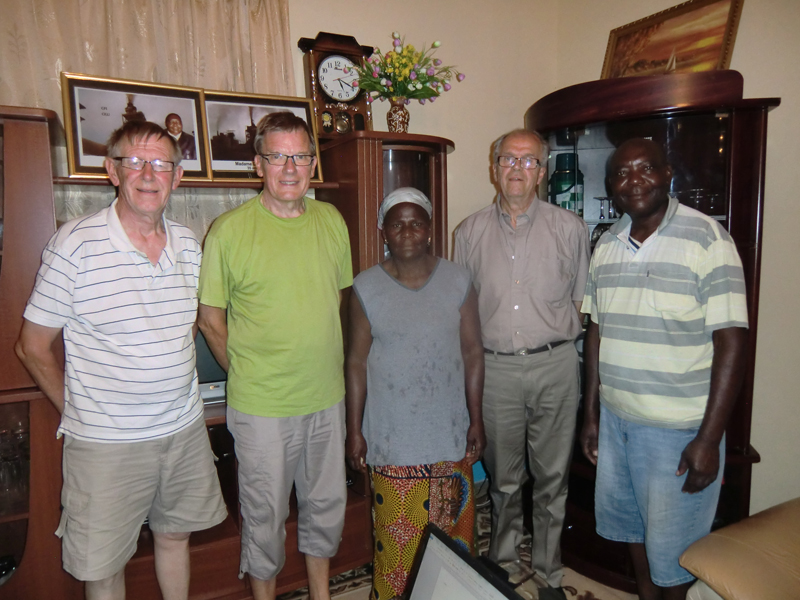
At 5 p.m., I met the Global Group of the Baobab Church under the leadership of Pastor Edi Matthieu Diangitukulu. Julienne interpreted us. We went through the prayer requests that will be sent to Sweden. Pastor Edi wanted to invite Pastor David of the Hökerum Church to Matadi. He wants them to know each other and talk about events in each other’s churches. Practically, he would like for them to record songs that the choirs of the two churches can exchange with each other and he wishes to exchange sermons with his Swedish counterpart. We talked about the need for a common language, English, to be able to communicate. Blidberg’s and Hökerum’s congregations are both friends with the Baobab congregation.

At Home my friends were sitting, munching on their evening snack. I followed their example. We talked about Nsanda and the piri piri cultivation where Julienne and Clement have planted about 10,000 plants. Julienne want to refine the spice, which involves grinding and the addition of garlic and pepper before the mixture is preserved in glass jars. Lennart who have solutions to most problems can arrange old-fashioned meat grinders; no. 10 by Gärdhem. A blender or a kitchen machine could certainly also be used. If there is someone who reads this and has such a machine for sale, please get in touch!
Julienne also told us that they have been visited by monkeys on Nsanda. They come when everyone has gone home for the day, before it gets dark. They gladly take their evening meals here. They eat corn and pick up peanuts which they peel and eat. If the workers have left the embers from a fire, then the monkeys grill the corn and roast the peanuts to get an extra festive meal, they are not stupid. They use the resources available to them, just like us.

Posted in MSG

A sad story

Dinner at Yapeco and Augustine's

Dinner at Yapeco and Augustine’s

Bernt, Julienne and me, visited today the third mayor during our stay in Congo and today, naturally Lars-Ola and Lennart came along too. Previously, we had visited the mayors of Luozi and Kimpese. Two years ago on our first trip to Congo, we had also visited the Matadi mayor and it’s the same person today, Nzeyidio Lukombo Jean-Marc. We expressed the joy of seeing each other again, and told him about the activities of MSG during the last two years. We presented our plans for the future and that we wish that politicians and policymakers would support our activities. Bernt told him about the sustainable solutions to waste disposal used in Boras, that I have previously written about. When he comes home Bernt’s task will be to, together with Joseph Nsumbu, plan for study visit from Congo to Borås to acquire knowledge of their unique methods of waste disposal, the knowledge and practice of which Borås today is world-leading.

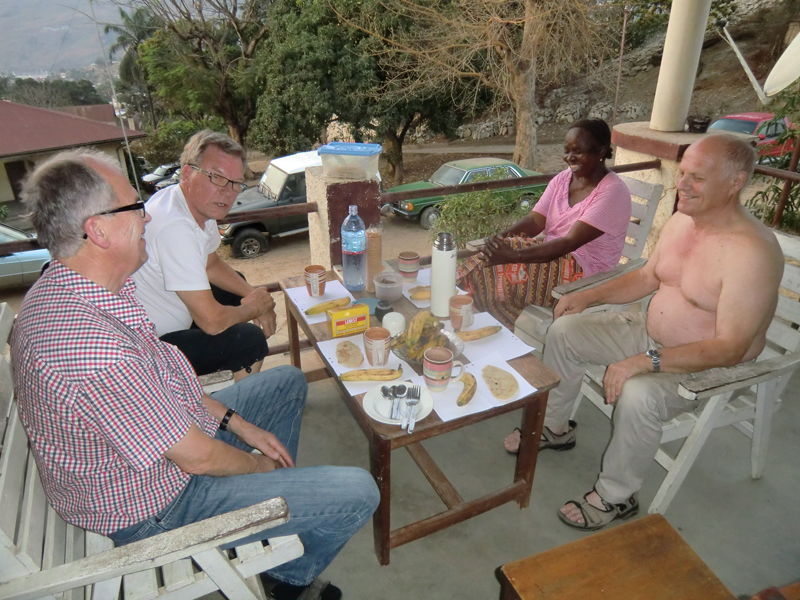
Then we went to the daily dinner party at Yapeco’s and Augustine’s. Myriam and Anita are staying at their house. They seem to feel like home, and they help to fix various things. Today, Anita made American pancakes that we ate as dessert with coffee. When we left, we got pancakes for our evening meal on the patio. Had we only had a little maple syrup, our luck would have been made​​. But one should not strive for what one can not get. It’s better to be grateful for what you have. When we were satisfied, we went for a walk, and back at Lisanga we took our daily siesta.

Then we had paperwork and preparations to do. There are rarely any idle hours. Work requires health and prosperity, a motto that fortunately have been fulfilled and confirmed in our Nordic countries.

At 5 p.m. Yapeco came and picked us up to visit an entrepreneur who we unfortunately had lost contact with. So today we went to his home, quite a long way through winding and sometimes very hilly streets of Matadi. The whole city is built on hills and deep valleys. In this landscape, it is difficult to orient oneself. The streets are narrow and there are many cars, lots of people, endless rows of market stalls that must share the space with everything between heaven and earth. Added to this is the large truck in the middle of it all. All drivers are diligent users of the car horn, and if honking does not help, they shout out their thoughts of their fellow drivers. The most complicated and chaotic traffic usually works out after a while. Luckily, there were no crashes for us today. But the vehicles of many other road users were quite wrinkled. Congolese are amazing to see opportunities in the most impossible situations. An ability that is an asset to an entrepreneur.

We parked on a hill and walked about 500 meters to get to our entrepreneur. Yapeco made inquiries for him and oriented us about where the person was. After a while, the m an showed up and arranged a ring of chairs where we could sit down. I told him that we had come to look at his work, a routine mission we do with all entrepreneurs. I opened his original business statement which was to start a poultry farm and breed broilers, an activity that we had chose to support. After a short discussion, he surprised us all when he told us that he had bought a car for the money he borrowed, 3000 USD. He had not even started the smallest of poultry farms. I made it clear to him that he is a liar and that he had deceived us. He had behaved miserably, not only to MSG, but also to the other members of his group. Because of his fraudulent conduct, he must repay the loan by next week. He agreed to come to us on Monday at 10 a.m. to settle his debt. We wrote a contract on the spot, and he signed the confirmation of his promise. A very sad story for him and a lesson for us.

Posted in MSG